
Cruise ship travel is synonymous with luxury, adventure, and relaxation. Imagine waking up to a new destination every day, indulging in gourmet meals, and enjoying world-class entertainment, all while floating on the serene ocean. It’s no wonder that millions of people choose cruising as their preferred holiday mode. But what makes cruise ship travel so captivating?
How To Stay Safe on a Cruise

AD We have been or could be if you click on a link in this post compensated via a cash payment, gift or something else of value for writing this post. See our full disclosure policy and privacy policy for more details.
Cruising offers a unique blend of experiences. From the moment you step on board, you’re enveloped in an atmosphere of opulence and excitement. The vast array of activities, dining options, and entertainment ensures there’s something for everyone. Whether you’re a thrill-seeker looking for adventure or someone who prefers lounging by the pool with a good book, cruise ships cater to all tastes and preferences. Bit it’s also important to be aware or health and safety protocols
Routine Vaccinations

I want you to know that making sure you’re up to date with routine vaccinations is paramount before you’re on a cruise. Also, check for vaccination requirements of the countries you’re visiting. Vaccinations protect you from infectious diseases that can spread quickly in close quarters.
Gastrointestinal Illness Prevention

Gastrointestinal illnesses, primarily caused by norovirus, can be common on cruise ships. Symptoms include vomiting and diarrhoea. To prevent these illnesses, practice good hygiene by washing your hands frequently, especially before eating and after using the bathroom. Avoid touching your face and use hand sanitisers when soap and water are not available.
Managing Seasickness

Seasickness can dampen the cruise experience. If you’re prone to motion sickness, consult your healthcare provider for medications that can alleviate symptoms. Over-the-counter options like Dramamine and prescription medications can be effective. Additionally, some natural remedies, such as ginger and acupressure bands, may provide relief.
Sun Protection

Sunburn is a common issue for cruise passengers. Apply sunscreen with an SPF of 15 or higher, even on cloudy days. Wearing hats, sunglasses, and protective clothing can also help shield you from harmful UV rays.
Travel Documents

Ensure you have all necessary travel documents, including your passport, cruise tickets, and any required visas. It’s also wise to carry copies of these documents when in port in case of loss or theft.
Take Health and Hygiene Products
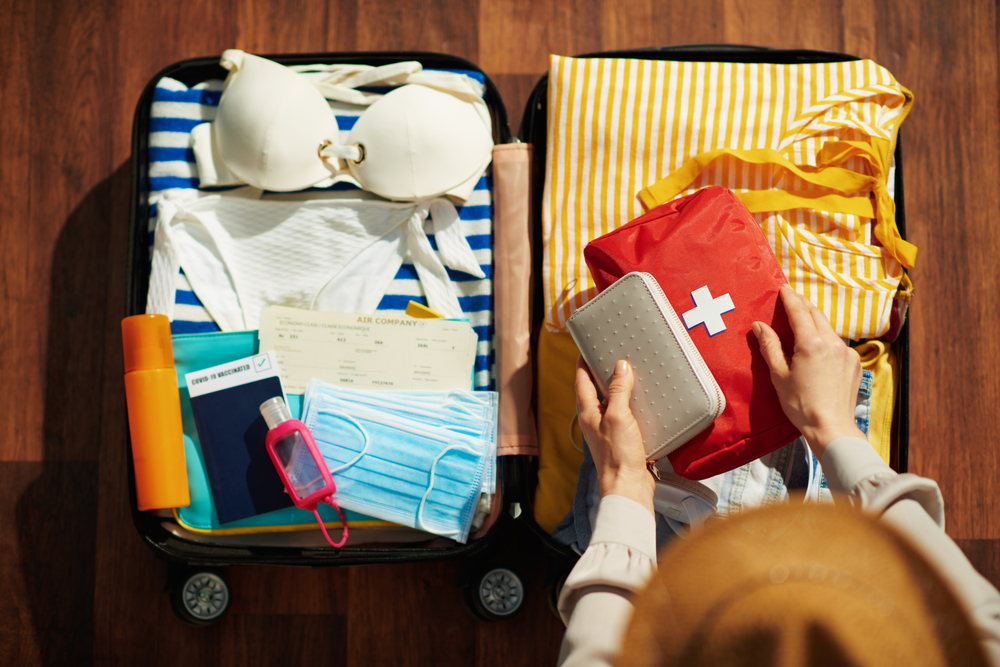
Pack a first-aid kit with essentials like band-aids, antiseptic wipes, and any prescription medications. Personal hygiene products, such as toothpaste, shampoo, and deodorant, are also necessary. While most cruise ships have onboard shops, it’s best to bring your preferred brands as they are expensive onboard.
Safety Tips for Shore Visits

Shore excursions allow passengers to explore the destinations visited during the cruise. Whether it’s a guided tour, a beach day, or an adventure activity, planning your excursions in advance ensures you make the most of your time onshore. Many cruise lines offer pre-booked excursion packages, which can be convenient but cost more.
Safety is paramount during shore excursions. Stick to well-known tourist areas, avoid displaying valuables, and be cautious when interacting with strangers. It’s also essential to keep track of time to ensure you return to the ship before departure.
It’s All About Using Common Sense

Embracing the cruise experience means being well-prepared and informed, from choosing the right cruise line to understanding health and safety measures. By following these tips and recommendations, you can ensure a safe, enjoyable, and memorable cruise. Bon voyage!
Packing For Embarkation Day: What Do You Need?

What to pack to enjoy your first day on a cruise ship.
