
Cruising offers a fantastic way to explore new destinations while enjoying the comforts of a floating resort. However, seasickness can be a significant concern for many travellers. This guide provides practical tips to help prevent and manage seasickness, ensuring a smooth and enjoyable voyage.
Understanding Seasickness: What It Is and Why It Happens

AD We have been or could be if you click on a link in this post compensated via a cash payment, gift or something else of value for writing this post. See our full disclosure policy and privacy policy for more details.
Seasickness occurs when your brain receives conflicting signals from your eyes, inner ears, and sensory nerves, creating a feeling of dizziness and nausea. This condition, also known as motion sickness, is common on ships and can affect anyone, regardless of their previous experience with travel.
Choose the Right Cabin: Location Matters

Selecting the right cabin can make a big difference if you suffer from seasickness. Opt for a cabin located midship, where the motion is less pronounced. Lower decks also experience less movement compared to higher ones, which can help reduce the feeling of instability.
Acclimate Early: Get Your Sea Legs
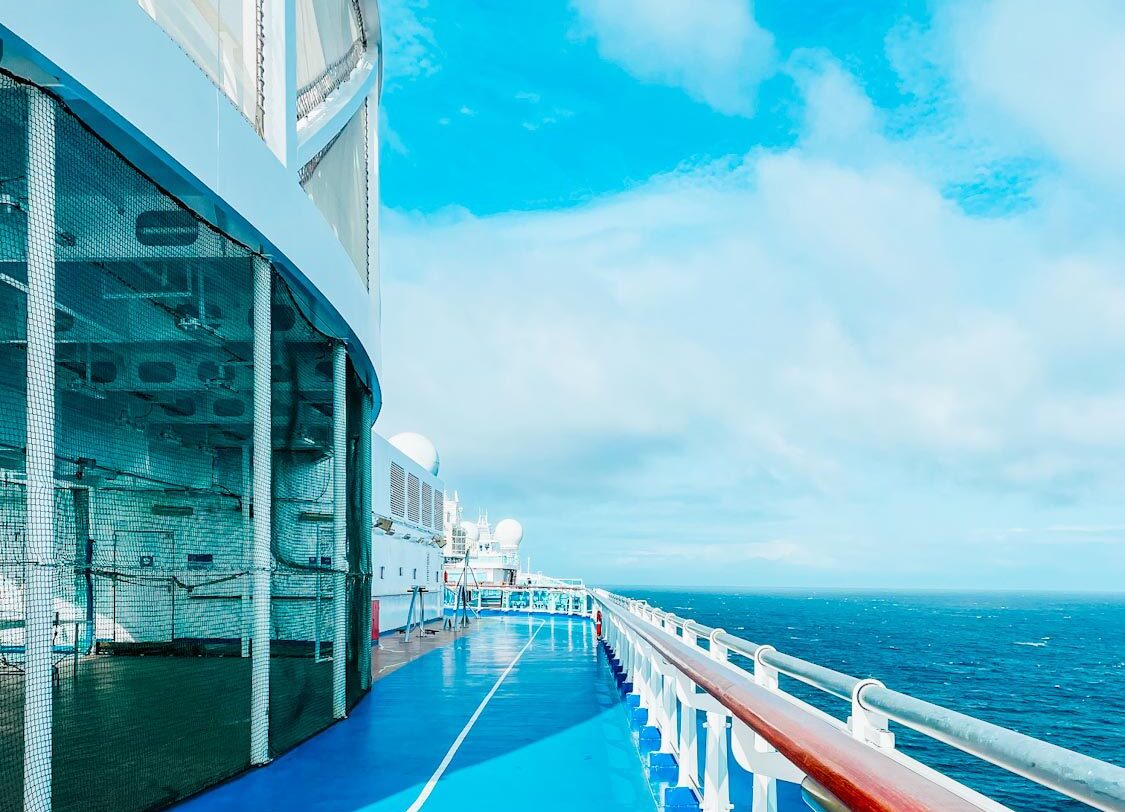
Spending time on the deck and gradually getting used to the motion of the sea can help your body adjust. Try to acclimate to the ship’s movement before you set sail by focusing on the horizon, which can help stabilise your senses.
Choose Sailing That Are Less Likely To Have Rough Seas
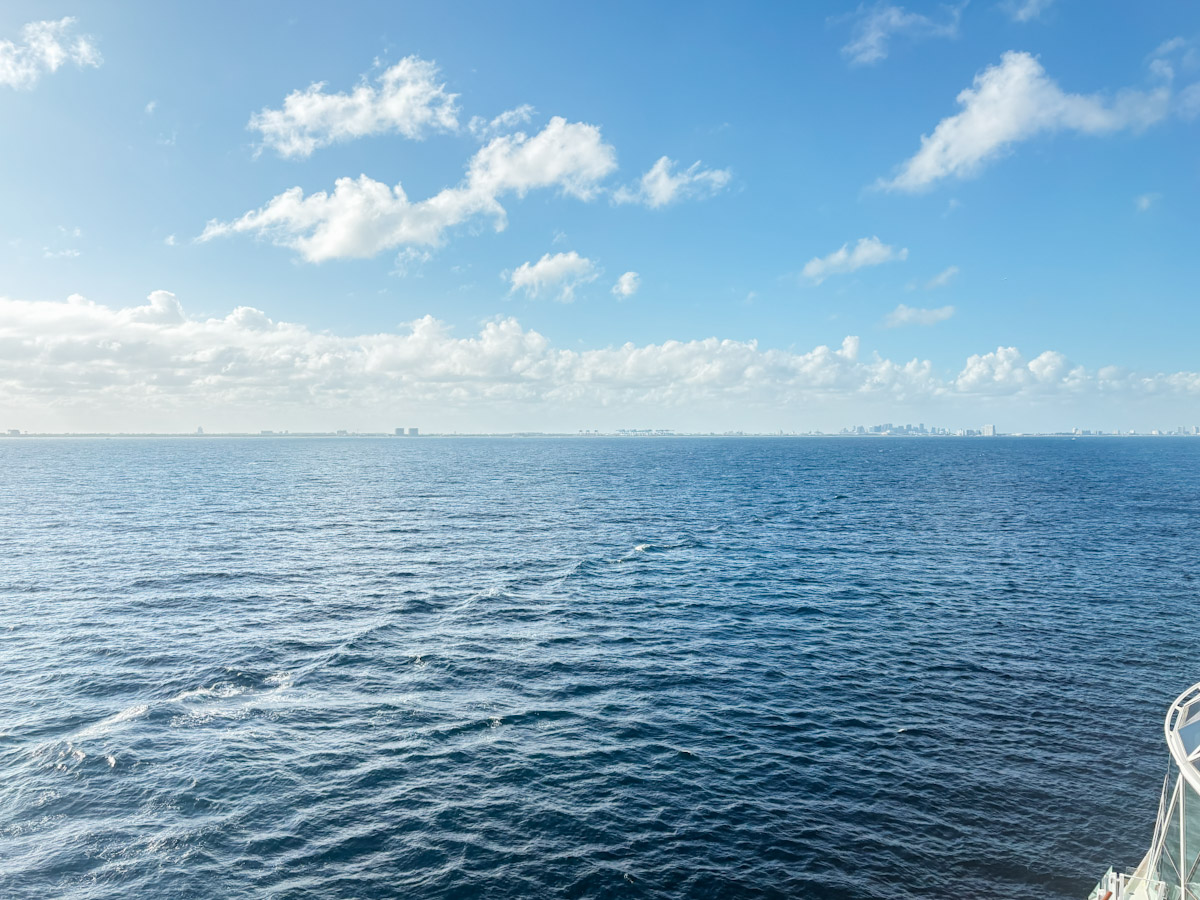
Choose a sailing that offers more chance of calm seas; the Mediterranean in the summer is a perfect example where the sea is less likely to be choppy. Also, specific Caribbean routes are rougher than others; we find Mexico sailing to be a little choppier, so do your research.
Mind Your Diet: Eat Light and Hydrate

Eating light, non-greasy meals and staying hydrated are key. Avoiding heavy, spicy, or fatty foods can help prevent nausea. Additionally, keep yourself well-hydrated, as dehydration can exacerbate seasickness symptoms.
Over-the-Counter Remedies and Natural Alternatives

Several over-the-counter medications, such as antihistamines and Dramamine can help prevent seasickness. If you are caught short, guest services often have a supply of seasick tablets. Ginger is a popular natural remedy, available in various forms, such as pills, candies, or tea. Acupressure wristbands are another alternative that some people find helpful.
Practical Tips: From Fresh Air to Focused Breathing

Fresh air can do wonders for alleviating seasickness symptoms. Spend time on deck, breathe deeply, and focus on distant objects. This practice can help recalibrate your senses and reduce discomfort. If you start feeling sick, lie down and keep your head as still as possible, ideally facing the direction of travel.
When to Seek Medical Help

In rare cases, seasickness can be severe and persistent. If symptoms worsen or do not improve, consult the ship’s medical staff. They can provide stronger medication and advice to help you feel better.
Enjoying a Sickness-Free Cruise

With the right preparation and strategies, you can significantly reduce the risk of seasickness and fully enjoy your cruise. Remember, it’s all about understanding your body and taking proactive steps to manage symptoms. Whether through medication, natural remedies, or simply choosing the right cabin, these tips will help you sail smoothly on your next adventure. Bon voyage! Of course, cruising is not for us all, and land holidays are every bit as wonderful.
Check Out This Balcony Cabin on Mariner of the Seas

Take a tour of this 3-berth balcony cabin onboard Mariner of the Seas.
Take a Tour of Mariner of the Seas

What’s on this 21-year-old Royal Caribbean cruise ship for families?
