
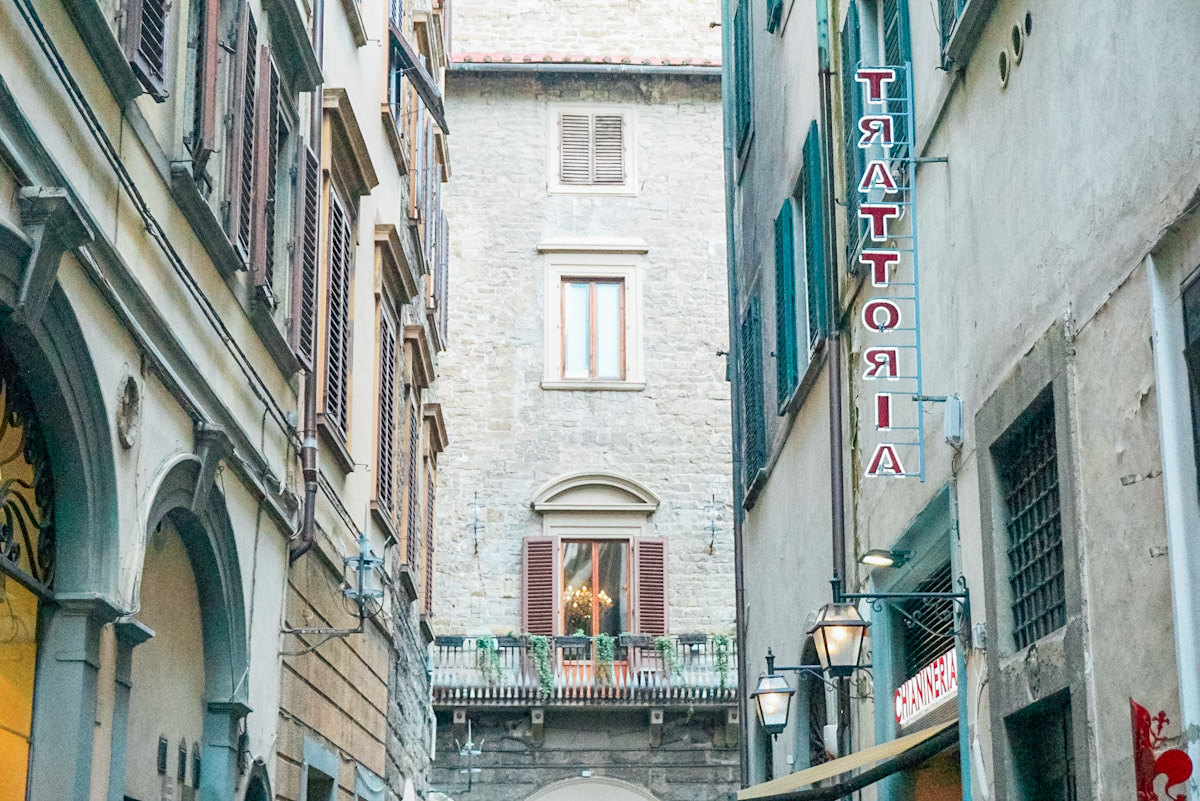
Florence isn’t just another stop on an Italian itinerary; it’s the city that changed the course of history. Cradled in the heart of Tuscany, this breathtaking destination was once the epicentre of art, science, and innovation during the Renaissance. Every inch of its cobblestone streets holds centuries of stories, of genius minds, political intrigue, and artistic brilliance that forever shaped Western civilisation.
Step Into Florence, And You’re Walking In The Footsteps Of Giants
AD We have been or could be if you click on a link in this post compensated via a cash payment, gift or something else of value for writing this post. See our full disclosure policy and privacy policy for more details.
Michelangelo, Leonardo da Vinci, Botticelli, Dante, and the powerful Medici family, who helped fund their visions. The city’s skyline, crowned by Brunelleschi’s magnificent dome, stands as a monument to human creativity and ambition. Around every corner, masterpieces await, from frescoes and sculptures to the simple elegance of a Tuscan piazza where the past feels wonderfully alive.
The Birth of the Renaissance
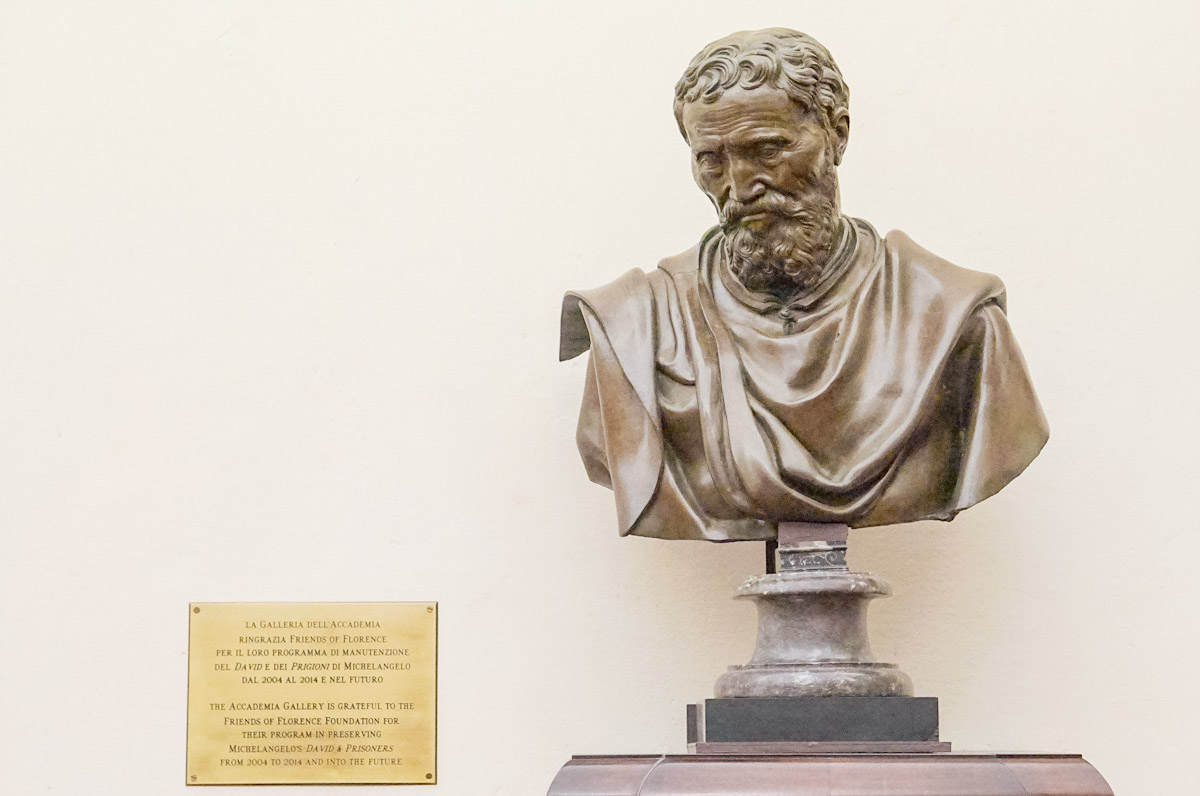
Florence is widely recognised as the cradle of the Renaissance, the cultural rebirth that swept across Europe from the 14th to the 17th centuries. It was here that art, science, literature, and philosophy converged to redefine what it meant to be human.
This movement wasn’t an accident; it was fuelled by wealth, intellect, and an unrelenting curiosity about the world. Artists like Leonardo da Vinci and Michelangelo pushed boundaries, while thinkers such as Galileo Galilei challenged tradition and shaped modern thought. The result? A golden age of creativity that continues to influence how we see the world today.
The Power of the Medici Family
At the heart of Florence’s transformation stood the Medici family, a dynasty whose wealth and vision turned the city into a global centre for art and culture. As powerful bankers and shrewd politicians, the Medicis used their influence to support artists, architects, and scientists, financing some of history’s most iconic works.
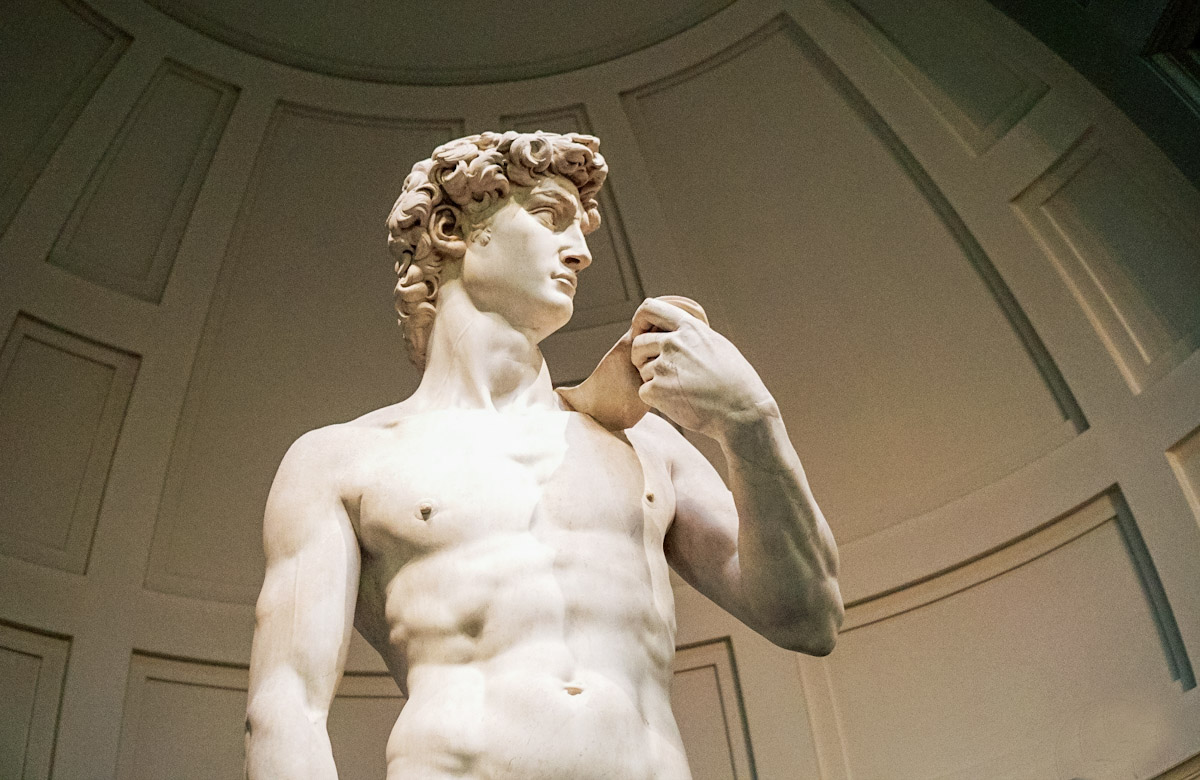
Their patronage brought to life Botticelli’s The Birth of Venus, Michelangelo’s David, and Brunelleschi’s architectural marvels. But their impact went beyond art; they helped shape Florence’s political identity and established one of the first models of modern patronage that would influence Europe for centuries.
Brunelleschi’s Dome: An Engineering Wonder
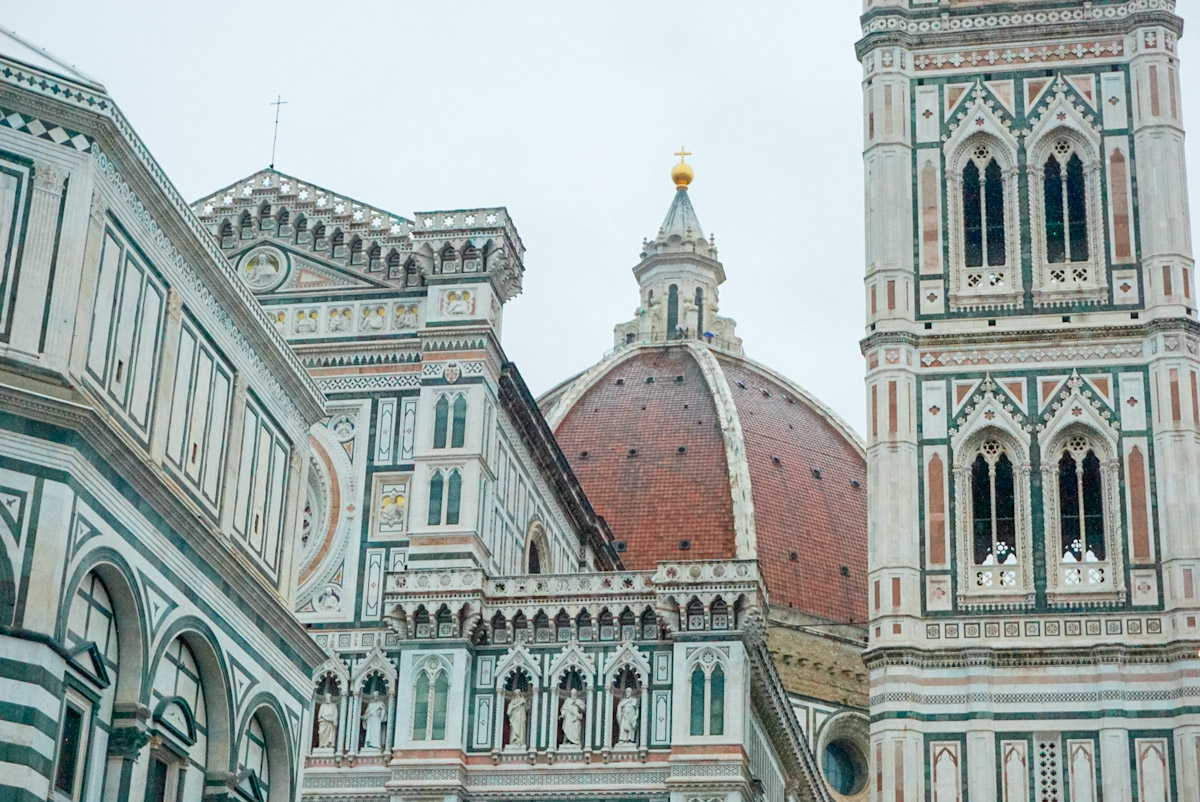
Dominating the Florence skyline, the Duomo, officially the Cathedral of Santa Maria del Fiore, is one of the most impressive engineering feats of the Renaissance. Designed by Filippo Brunelleschi and completed in 1436, the dome remains the largest brick dome ever built.
Constructed without traditional scaffolding, it was a bold experiment that redefined architectural design. Even today, its harmonious proportions and sheer scale leave visitors in awe, a symbol of Florence’s ambition to reach higher, think bigger, and challenge what was thought possible.
Thinkers, Writers, and Innovators
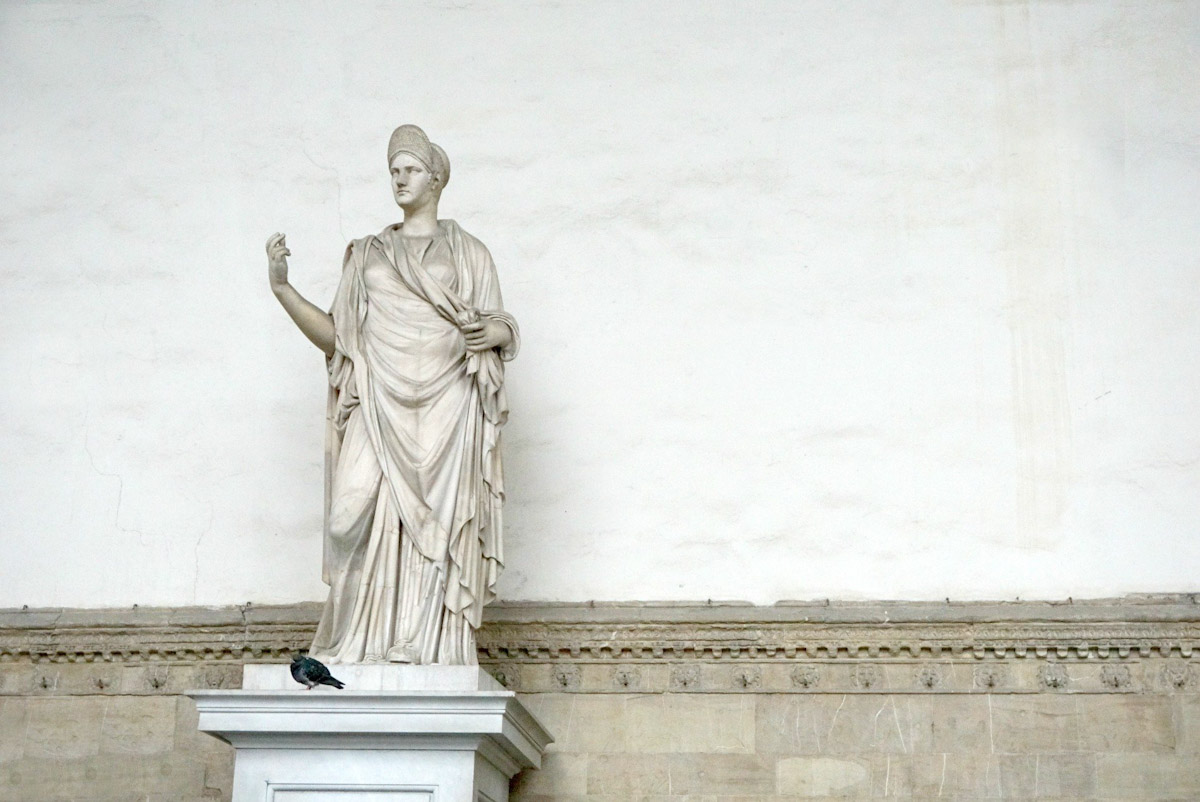
Florence didn’t just give birth to artistic masters; it nurtured great thinkers who changed humanity’s self-view. Dante Alighieri wrote The Divine Comedy here, helping to shape the Italian language, while Niccolò Machiavelli’s The Prince laid the foundation for modern political theory.
It was also a hub of commerce and finance. The Medici Bank became one of Europe’s most powerful institutions, helping to fund exploration, trade, and art. In Florence, ideas and money flowed freely, and together they fuelled centuries of progress.
A Living Museum of Art and Architecture
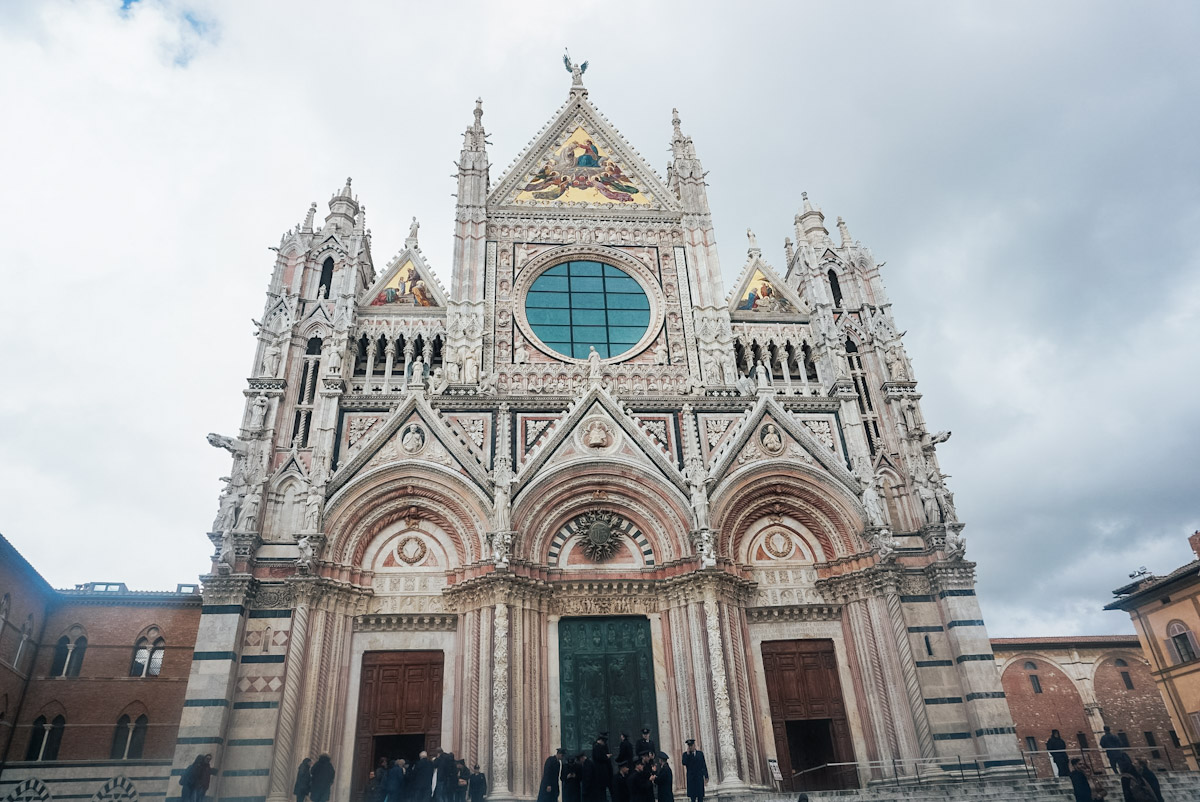
Today, Florence feels like a living museum, its historic centre declared a UNESCO World Heritage Site in 1982. Wandering through its streets is like stepping back into another era, one filled with marble cathedrals, frescoed chapels, and graceful palaces that still radiate Renaissance elegance.
Highlights include the Piazza della Signoria, where statues and fountains frame the grand Palazzo Vecchio, and the Uffizi Gallery, home to masterpieces by Botticelli, Raphael, and Leonardo da Vinci. And of course, there’s Michelangelo’s David, unveiled in 1504, a sculpture so perfect in form it became the very definition of Renaissance genius.
Florence in a Day: A Cruise Traveller’s Itinerary
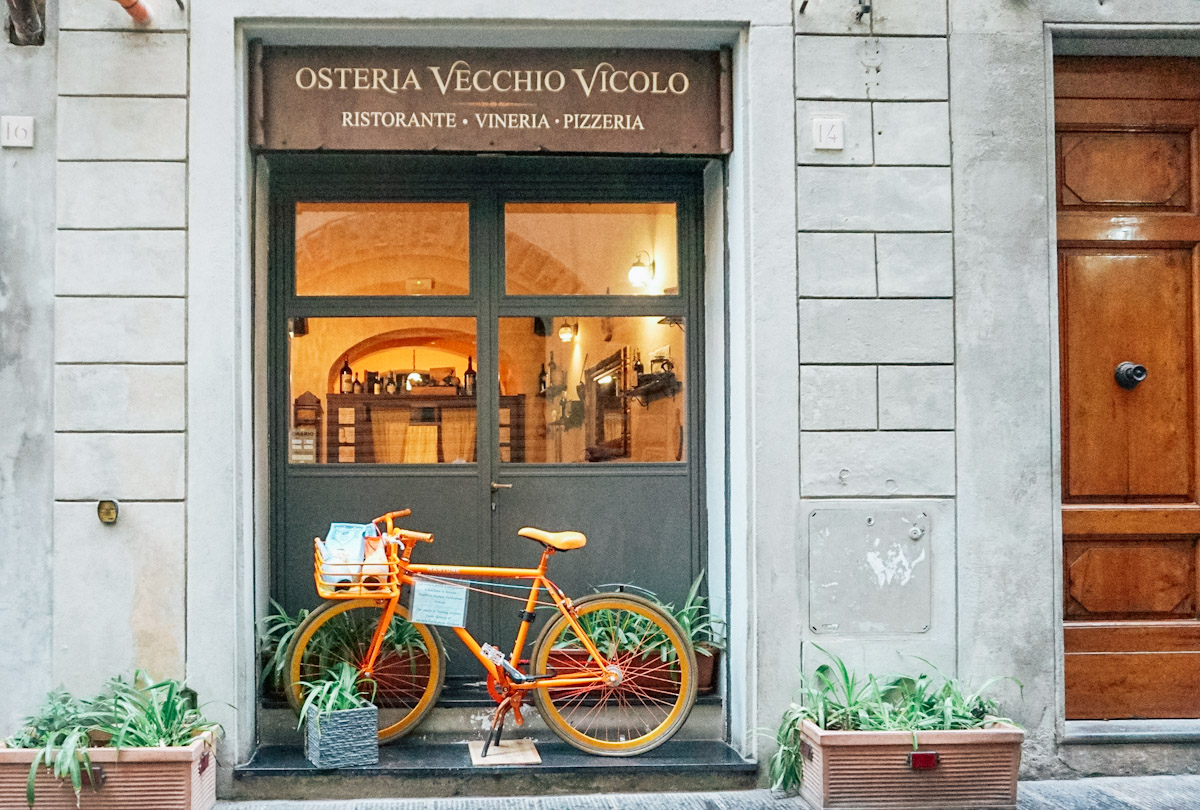
If you’re arriving in La Spezia on a cruise, Florence is one of the most popular and rewarding day trips. The journey takes around 2 hours each way by train or coach, so planning ahead is key.
Morning
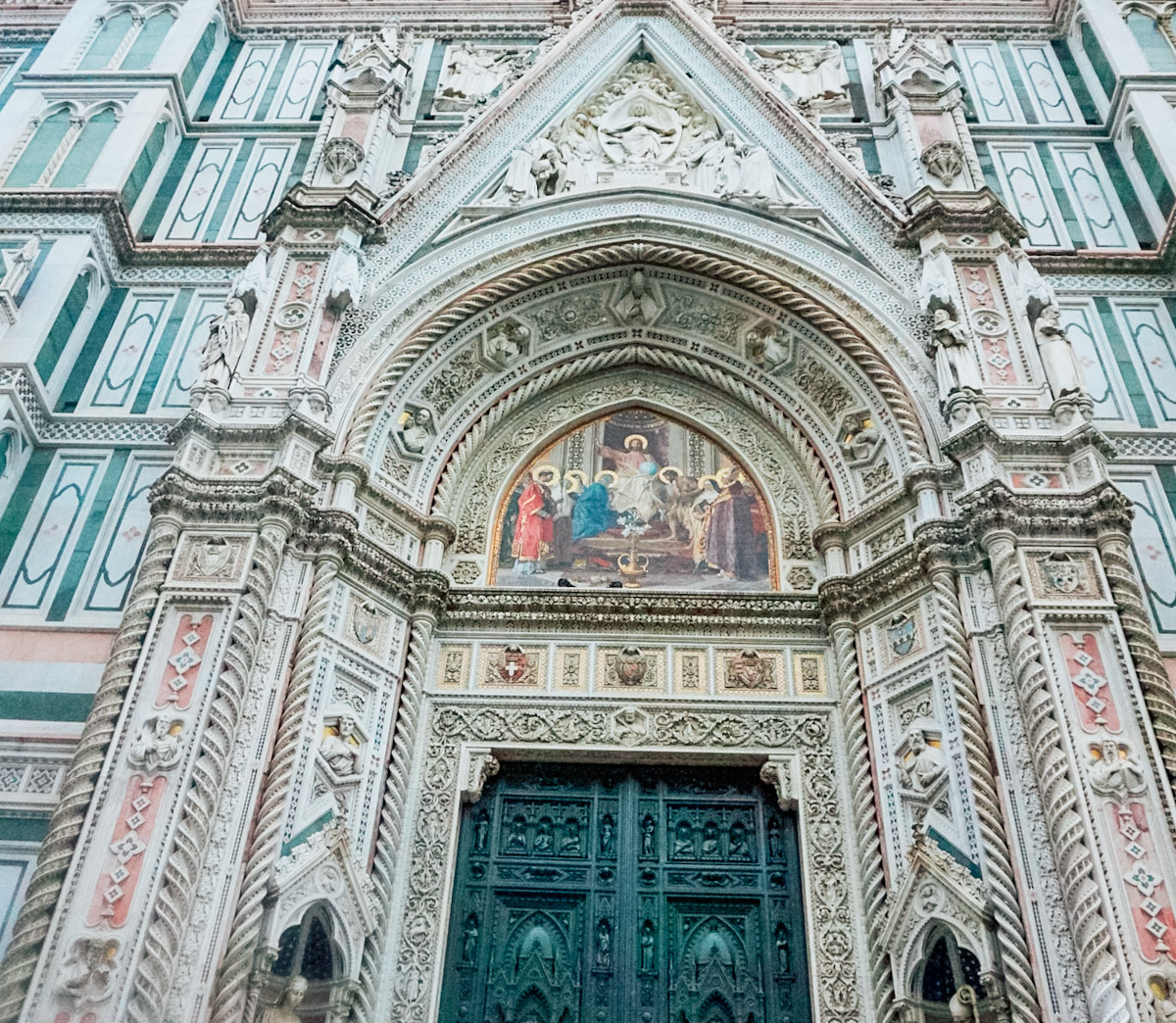
Start your day at the Piazza del Duomo, home to the cathedral and Brunelleschi’s iconic dome. Climb to the top for spectacular city views or visit the nearby Baptistery of St. John, famous for its bronze “Gates of Paradise.” Afterwards, wander toward the Piazza della Repubblica for a quick espresso and pastry before the crowds build.
Midday

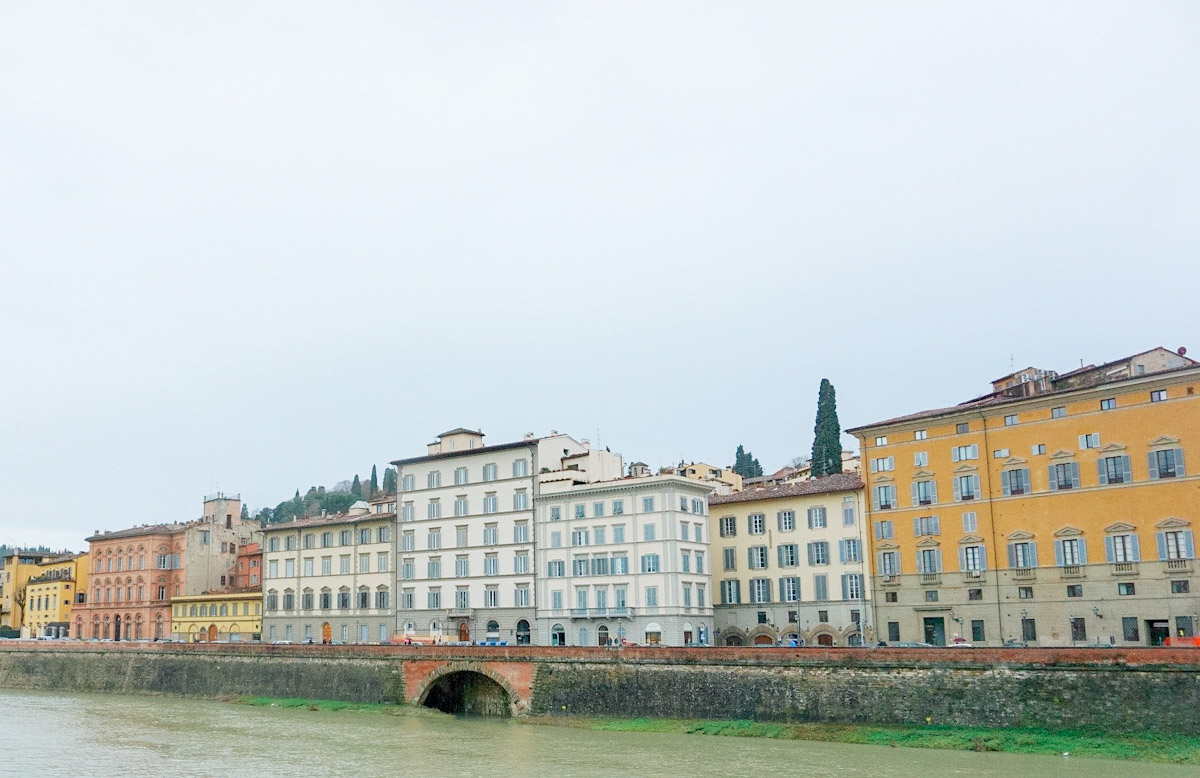
Make your way to the Piazza della Signoria, the open-air museum of Florence, where sculptures and fountains bring the Renaissance to life. Then stroll along the Arno River to admire the Ponte Vecchio, Florence’s oldest bridge, lined with glittering goldsmith shops. Stop for a leisurely lunch at a trattoria serving Tuscan classics, think ribollita soup or tagliatelle with truffles.
Afternoon
Art lovers shouldn’t miss the Uffizi Gallery, though booking tickets in advance is essential to save time. Alternatively, explore the Basilica di Santa Croce, resting place of Michelangelo, Galileo, and Machiavelli. Before heading back, pause at Piazzale Michelangelo for panoramic views, the perfect farewell to this unforgettable city.
(Depending on your ship’s departure time, make sure to allow plenty of time to return to La Spezia station or port, trains and roads can get busy in the evening.)
Why Florence Still Matters Today
Florence’s influence stretches far beyond Tuscany. Its artists inspired generations of painters and sculptors, its architects transformed city skylines, and its thinkers laid the groundwork for science, politics, and philosophy as we know them.
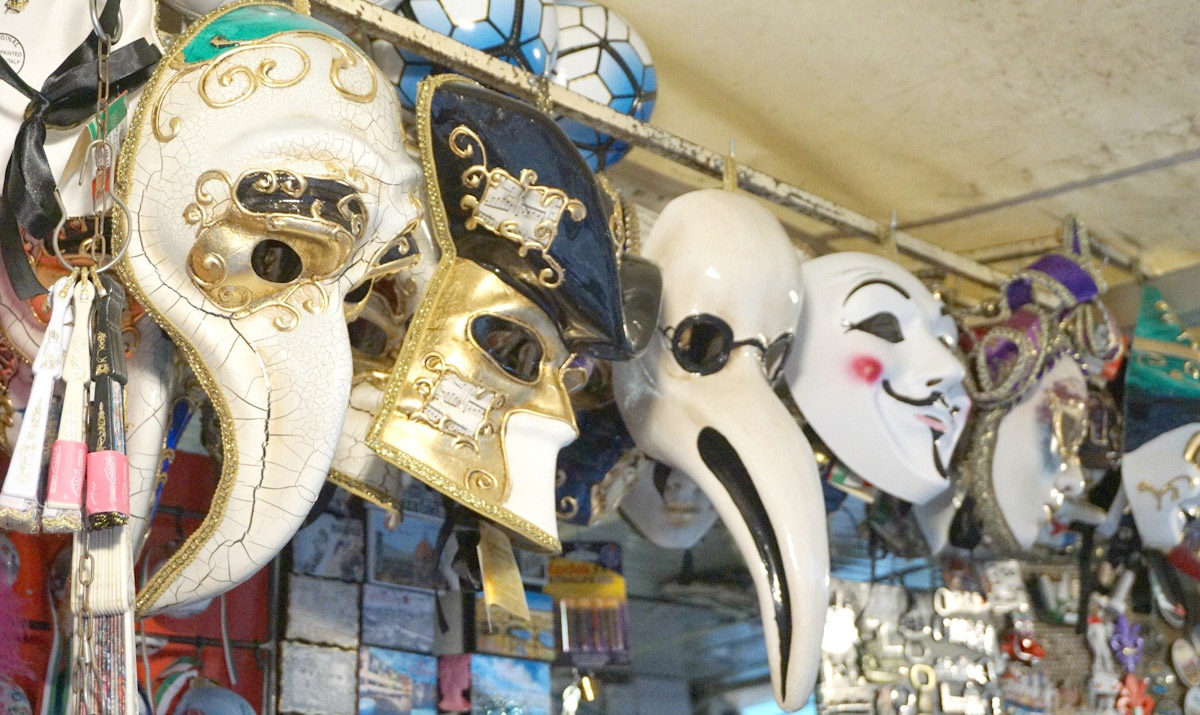
Even now, Florence continues to inspire, a place where creativity never truly went away. The same spirit that lit up the Renaissance lives on in its bustling markets, artisan workshops, and romantic river views.
Florence Isn’t A City You Tick Off A List
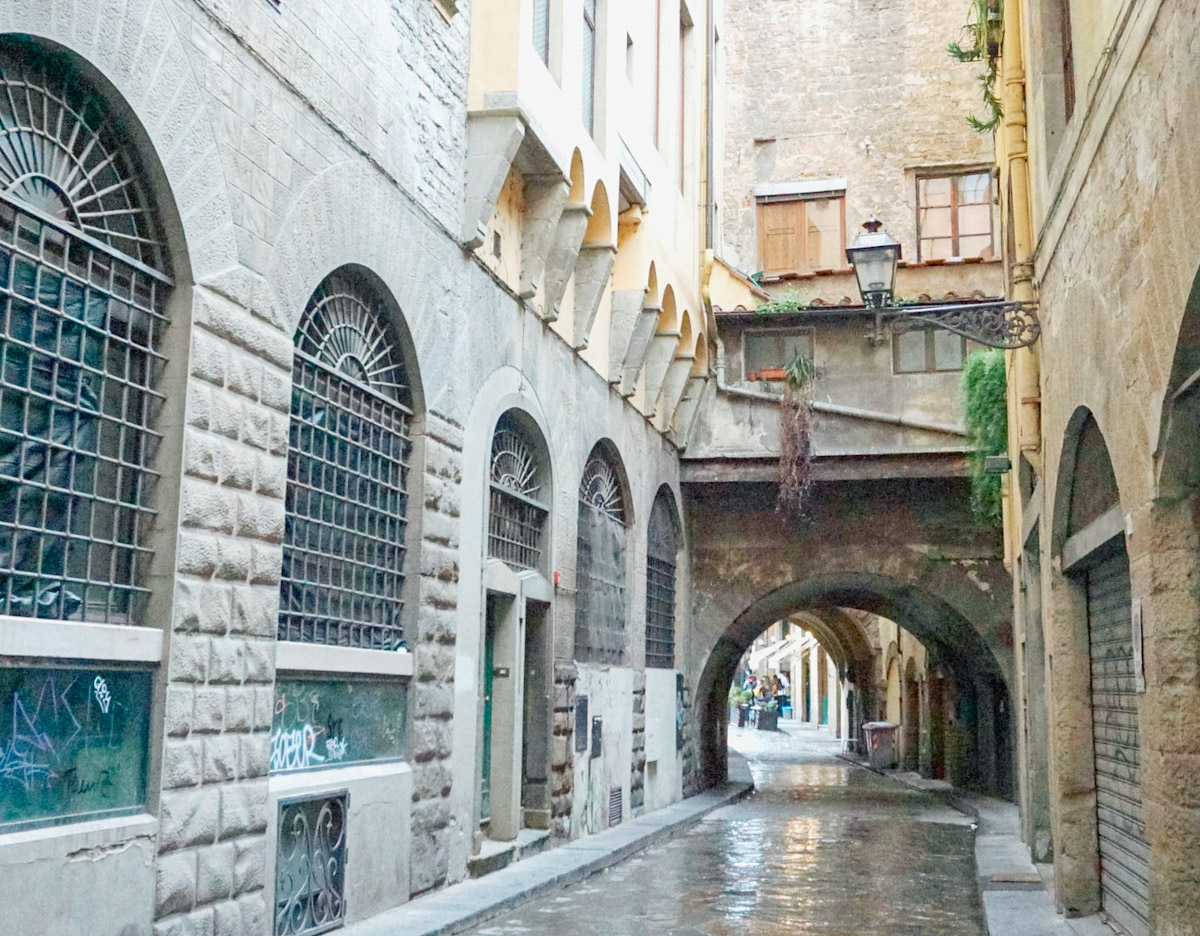
It’s a place that stays with you. From Brunelleschi’s dome to the quiet beauty of a sunlit piazza, it’s a city that invites you to slow down, look closer, and appreciate the brilliance that once changed the world.
Whether you visit for a few hours on a cruise excursion or spend several days wandering its streets, you’ll soon understand why Florence remains one of the most extraordinary cities on earth, a timeless masterpiece that continues to inspire wonder.
