
Few cities in the world are as intertwined with the story of sea travel as New York. From the age of steamships carrying hopeful immigrants to Ellis Island, to the glamorous ocean liners of the early twentieth century, and now the era of mega ships offering sailings to Bermuda, the Caribbean, and beyond, New York’s waterfront has played host to some of the most important moments in maritime history.
New York Cruise Port, A Gateway Between Old And New

AD We have been or could be if you click on a link in this post compensated via a cash payment, gift or something else of value for writing this post. See our full disclosure policy and privacy policy for more details.
Today, New York is one of the busiest cruise regions in North America, but it did not begin as a leisure port. It started as a lifeline, a gateway between the old world and the new. For much of the nineteenth and early twentieth centuries, ships arriving in New York carried immigrants, goods vital to the growing United States, and mail connecting continents. As technology and travel evolved, the port’s role shifted from immigration gateway to military facility, from transatlantic liner hub to modern cruise departure point.
Three Main Terminals
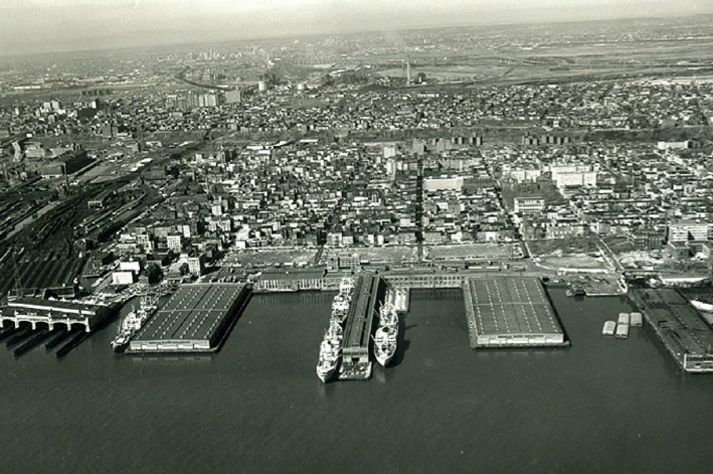
The development of New York’s three main cruise terminals, Manhattan Cruise Terminal, Brooklyn Cruise Terminal, and Cape Liberty Cruise Port, reflects these broader changes in maritime travel. As cruise ships have grown in size and cruising has become a major holiday option, New York has continually invested in its waterfront, ensuring it remains a top-tier port. Here is the full history of New York as a leading cruise destination.
1800s: Birth of a Transatlantic Passenger Gateway
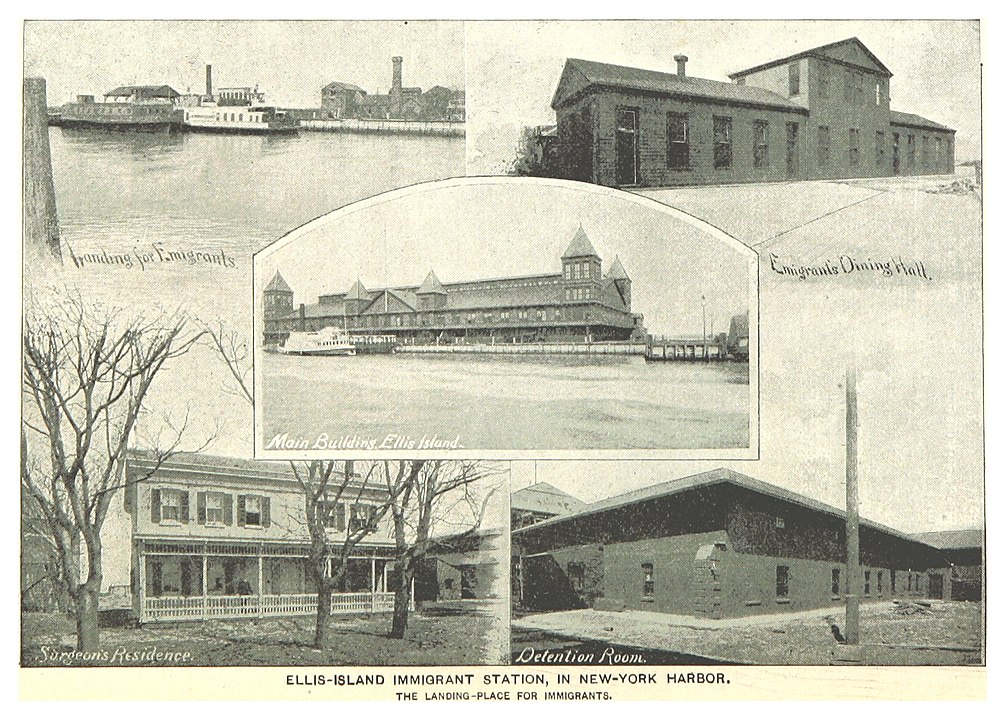
In the nineteenth century, New York became the centre of transatlantic migration and trade. Steamships gradually replaced sailing vessels, dramatically reducing travel time and increasing reliability. Major shipping companies began regular services between Europe and New York, and the city expanded its waterfront infrastructure to accommodate the rising volume of arrivals.
Millions of immigrants arrived through New York Harbour, many of whom passed through Castle Garden and later Ellis Island, cementing the city’s role as the primary US arrival port.
Early 1900s: The Golden Age of Ocean Liners
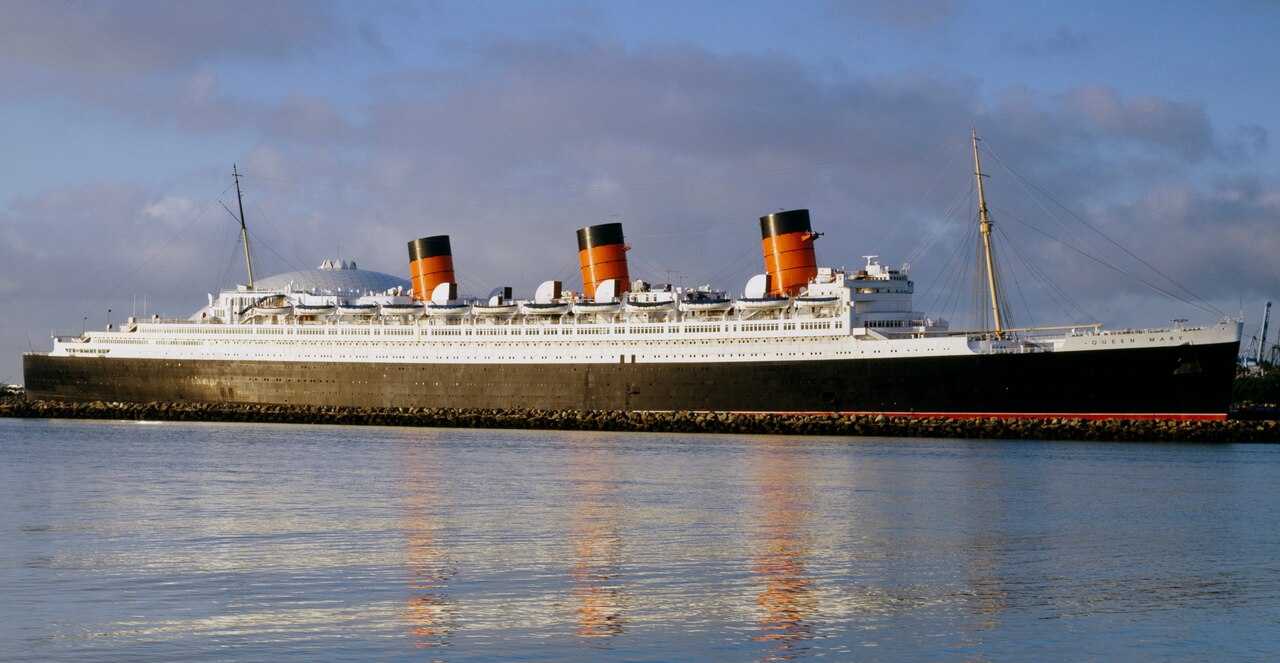
The early twentieth century was the high point of the ocean liner era. These vessels were not just for travel; they carried immigrants, wealthy passengers, and world travellers, and they became symbols of national pride and technological achievement.
- Iconic liners such as Lusitania, Mauretania, Queen Mary, and Queen Elizabeth regularly sailed to New York.
- Over twelve million immigrants passed through Ellis Island between 1892 and 1954.
- Manhattan’s Hudson River piers, including Piers 88, 90, and 92, were expanded to accommodate these large vessels.
- Ocean liners gave New York’s port a global reputation as a symbol of arrival and opportunity.
The view of the harbour framed by the Statue of Liberty became one of the most recognised maritime arrivals in the world.
1912: Titanic’s Connection to New York

Although the Titanic never actually docked in New York, the city is closely linked to its story.
- Titanic’s scheduled destination was New York’s West Side passenger terminal.
- Following the sinking, the rescue ship Carpathia brought survivors to New York, making international headlines.
- This event strengthened New York’s historical and emotional ties to one of the most famous maritime disasters in history.
Post-WWII: Transition to Leisure Cruising

After World War II, transatlantic ocean liner traffic declined sharply as aviation became the dominant mode of long-distance travel. New York adapted by shifting focus from essential crossings to leisure cruising.
- Traditional liner traffic dropped with the rise of air travel.
- New York positioned itself as a departure point for holiday voyages.
- Early cruise itineraries included Bermuda, the Caribbean, and Canada/New England.
- Passenger terminals evolved to accommodate seasonal and recreational traffic instead of just long-distance crossings.
This period laid the foundation for the modern cruising industry from New York.
1970s–1990s: Modernisation and the Cruise Comeback
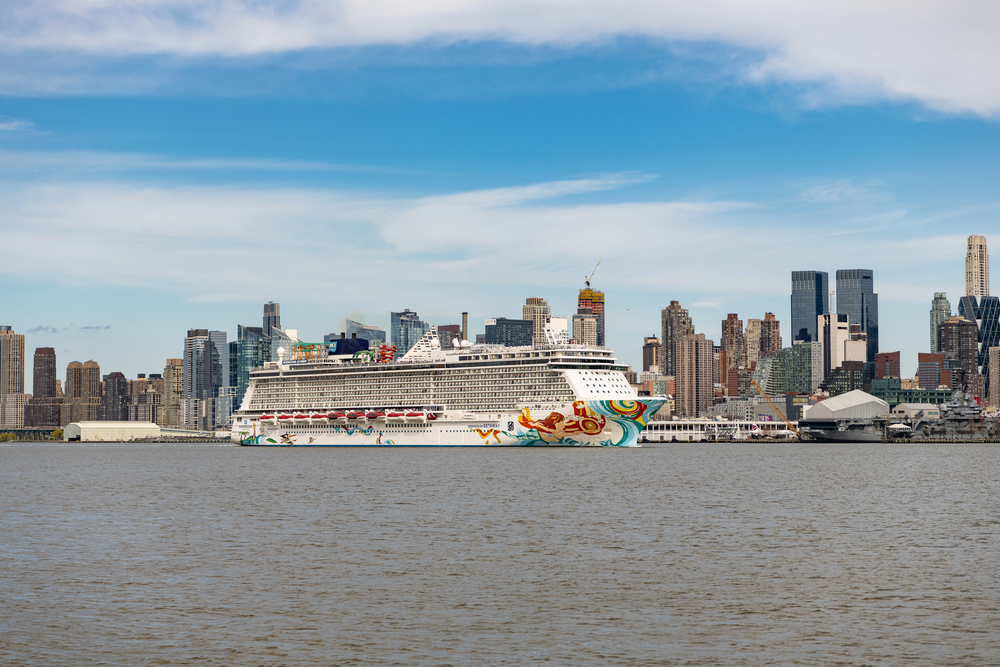
From the 1970s onward, purpose-built cruise ships became common, and New York began modernising its waterfront to meet growing demand.
- Cruise lines such as Norwegian Cruise Line, Royal Caribbean, and Carnival began using New York as a homeport.
- The Manhattan Passenger Ship Terminal was upgraded to improve capacity and passenger facilities.
- Access roads, check-in areas, and terminal layouts were improved for efficiency.
- By the 1990s, New York had re-established itself as a key cruise hub for eastern US and Caribbean sailings.
2000s: Major Redevelopment and New Terminals
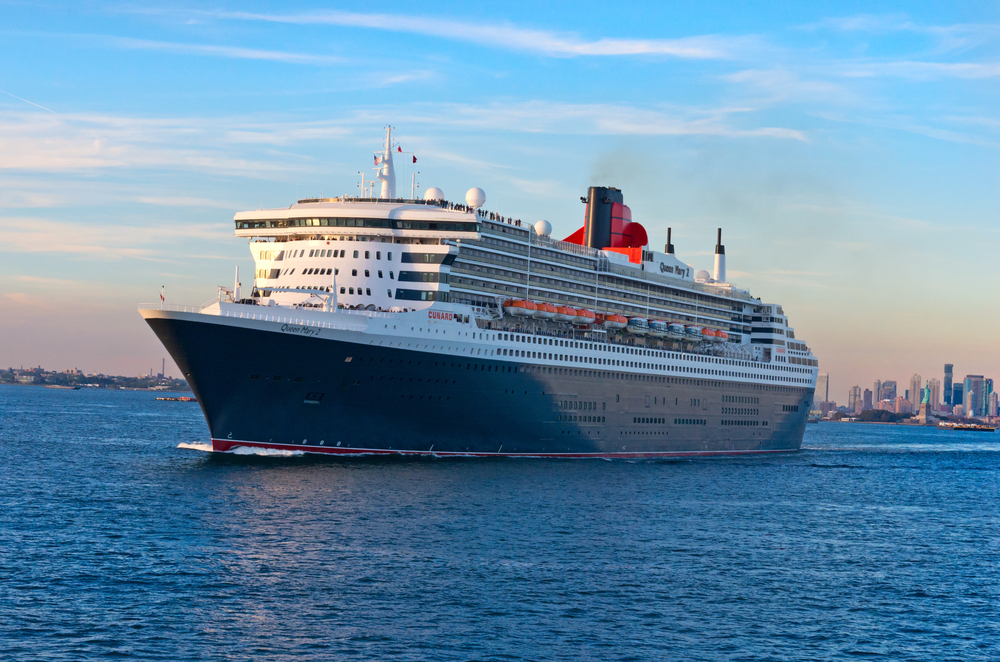
The early 2000s brought a transformation of New York’s cruise infrastructure. This work made it possible for modern, very large ships to operate from the city.
Manhattan Cruise Terminal (Piers 88, 90, 92)
- Originally built in the 1930s, the terminal was modernised to handle contemporary cruise vessels.
- Renovations included updated passenger areas, gangways, and berth improvements.
- It continues to serve cruises to Europe, Bermuda, the Caribbean, and Canada.
Brooklyn Cruise Terminal (Red Hook)
- Opened in 2006, the Brooklyn Cruise Terminal was built on the former Atlantic Basin Iron Works site.
- Designed to accommodate large vessels, including liners such as the Queen Mary 2.
- The terminal includes modern facilities and offers an alternative to Manhattan for large ships.
Cape Liberty Cruise Port (Bayonne, New Jersey)
- Located on a former military terminal, Cape Liberty opened in 2004.
- The first ship to sail from Cape Liberty was Voyager of the Seas.
- A new terminal opened in 2014 to handle larger modern ships, including Royal Caribbean’s Quantum-class vessels.
- Cape Liberty provides expansive facilities, parking, and stunning views of the Statue of Liberty.
These three terminals together ensure New York can accommodate millions of passengers each year and some of the world’s largest cruise ships.
2010s–Present: A Leading Global Cruise Destination

Today, New York’s cruise region is one of the busiest in North America.
- Manhattan, Brooklyn, and Cape Liberty serve millions of passengers annually.
- Ships such as Royal Caribbean’s Anthem of the Seas and Norwegian’s Prima-class vessels regularly homeport in the region.
- Cruises depart for Europe, Bermuda, the Caribbean, Canada, and New England.
- Departing from New York offers one of the most iconic sailaways, with views of the Statue of Liberty and Manhattan skyline.
Why New York Remains a Cruise Favourite
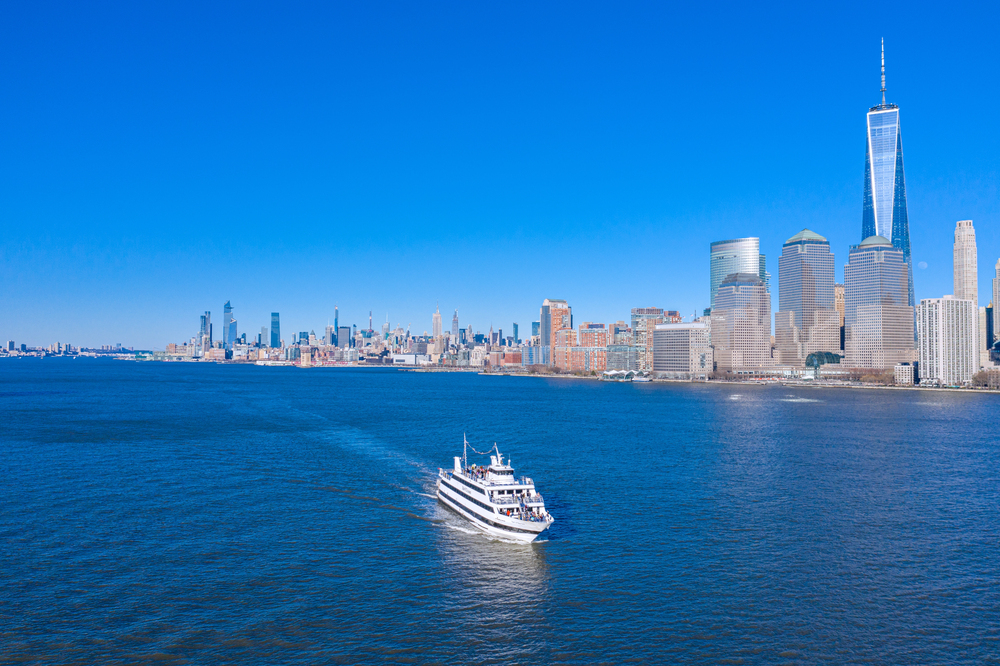
New York continues to stand out as a top cruise departure point because it combines global accessibility, rich history, and a vibrant pre-cruise city experience. It offers excellent international flight connections, allowing travellers from around the world to start their holiday in a world-class city. The variety of terminals gives flexibility: whether passengers choose Manhattan, Brooklyn, or Cape Liberty, the city can accommodate a wide range of ships. Its year-round cruise schedule, combined with its iconic waterfront and cultural attractions, makes New York one of the most compelling places to begin a cruise.
- Offers year-round cruising for many lines.
- Blends a city break with a cruise holiday.
- Has excellent transport links for global travellers.
- Can host some of the largest cruise ships in operation.
- Provides three major cruise terminals to meet demand.
