
Cruising to Greece is a dream holiday for many, stunning sunsets over Santorini, historic Athens, and the picture-perfect whitewashed streets of Mykonos. But if you’re planning your first Greek cruise, there are a few insider tips you won’t find in your brochure.
What You Must Know Before Cruising to Greece
AD We have been or could be if you click on a link in this post compensated via a cash payment, gift or something else of value for writing this post. See our full disclosure policy and privacy policy for more details.
From tricky port logistics to sun safety and local customs, knowing these ten key points will save you time, money, and stress,so you can spend more time exploring and less time worrying.
1. Don’t Get Caught Out by Greece’s Schengen Rules

Your UK passport must be valid for at least three months beyond the day you leave the Schengen Area, and you can only stay 90 days in any 180-day period without a visa. Double-check your previous EU stamps to avoid unexpected problems at immigration.
2. Cash or Card? The Real Story on Paying Your Way

The euro (€) is king, and while cards are widely accepted, small tavernas, taxi drivers and local markets often prefer cash. ATMs can run dry in high season, so plan ahead and withdraw what you need before heading to the islands.
3. Pack Smart for Greece’s Sun-Soaked Cruise Season
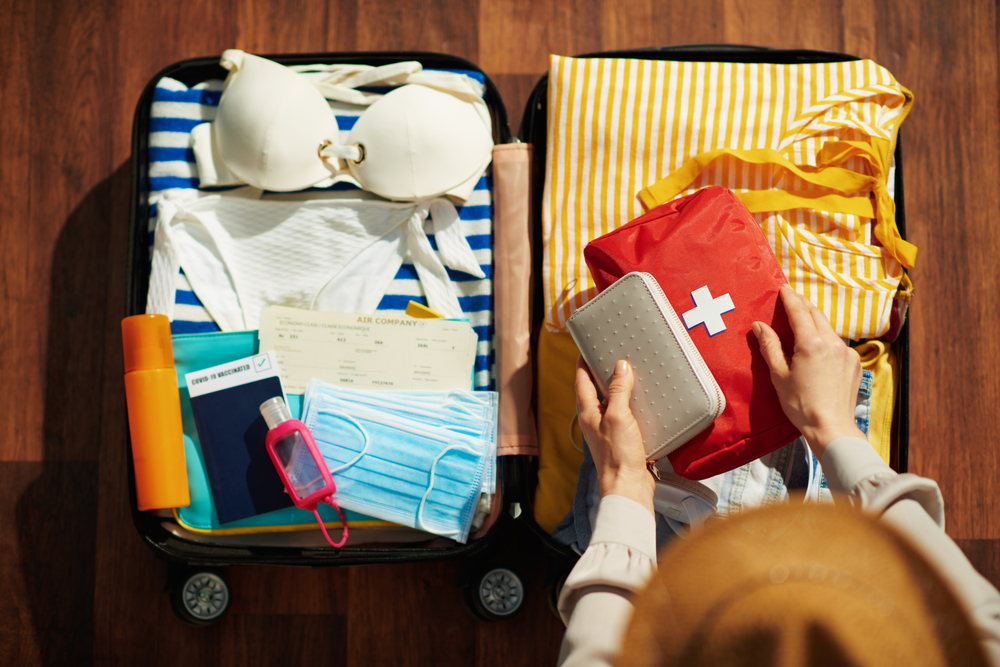
From mild April breezes to scorching August highs, layers are key. Bring light cottons, a wide-brim hat, and non-slip shoes for uneven streets. A lightweight rain jacket is useful if cruising early or late in the season.
4. The One Clothing Rule That’ll Keep You Out of Trouble
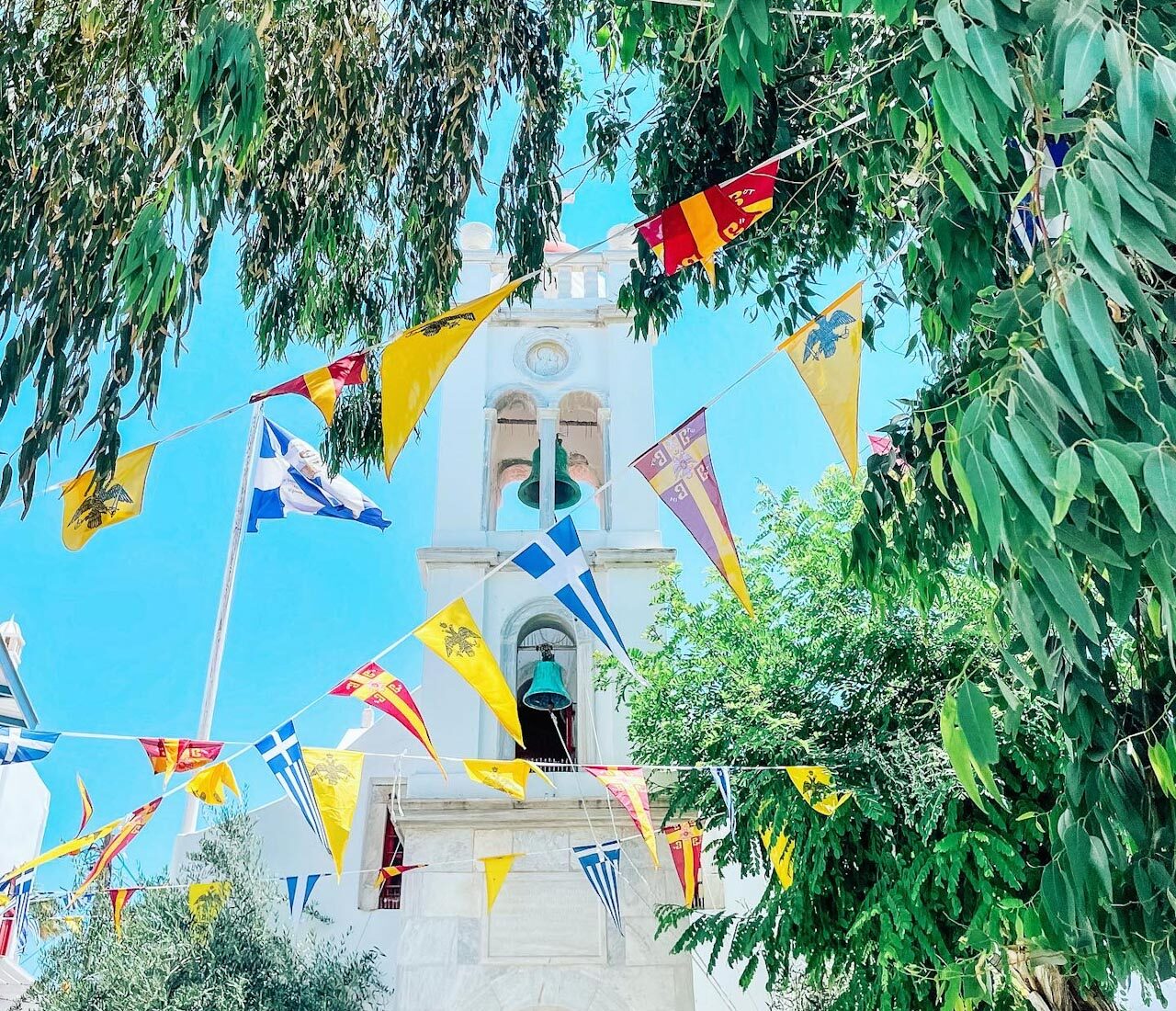
Greek Orthodox churches and monasteries insist on modest dress, shoulders and knees covered. A foldable scarf or sarong is a lifesaver for quick visits to sacred sites.
5. Tender Secrets: How to Beat the Crowds to Shore
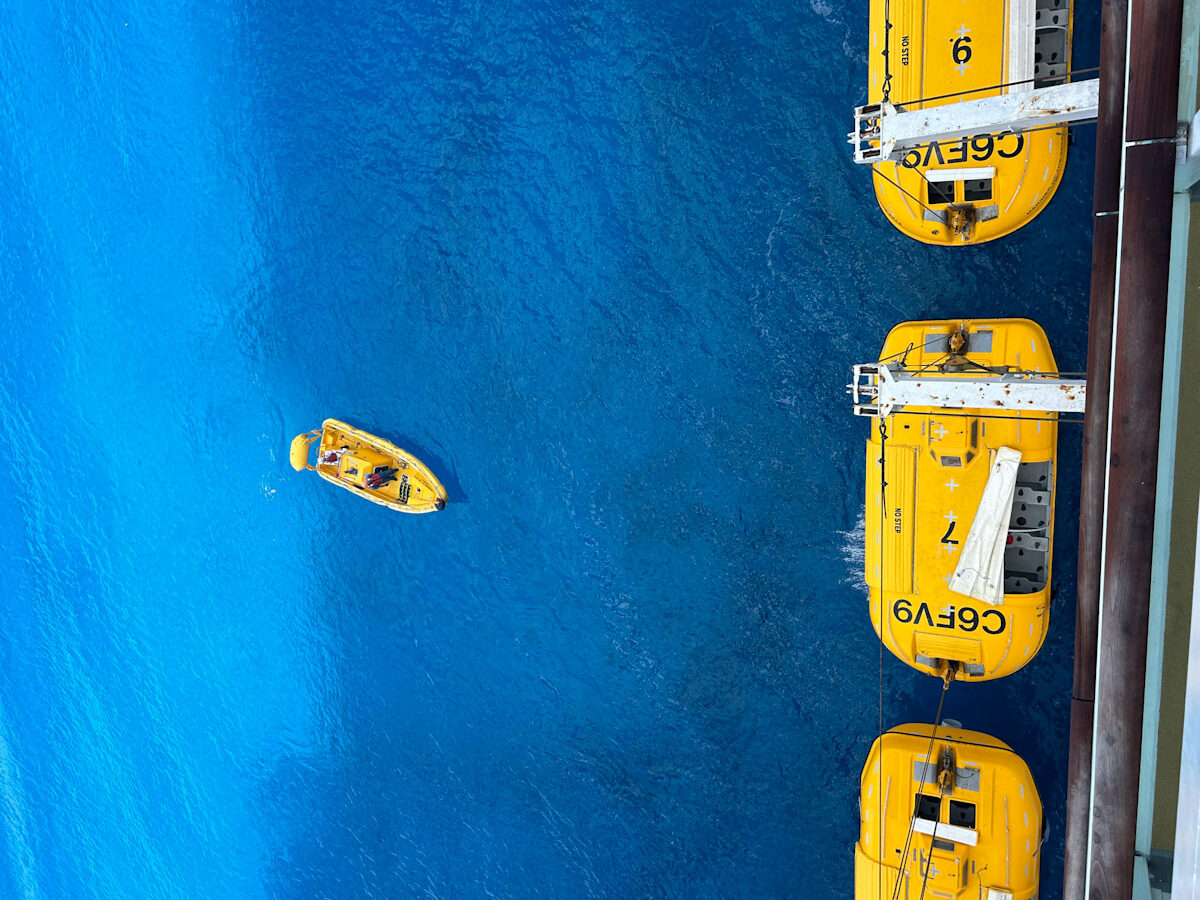
Islands like Santorini and Mykonos often use small tenders to get passengers ashore. Grab an early ticket or book a priority excursion to maximise your time exploring.
6. The Aegean Sun Is Fierce, Protect Yourself Like a Local

Even when the breeze feels cool, UV levels are high. Pack SPF 30+ sunscreen, sunglasses, and a refillable water bottle. Plan sightseeing in early morning or late afternoon to avoid the harshest sun.
7. Ship Time vs Local Time: Avoid the Classic Mistake

Greece is on Eastern European Time (EET), usually two or three hours ahead of the UK. Ships may operate on their own “ship’s time,” so always check schedules carefully to avoid missing the last tender.
8. Say “Kalimera”: Local Etiquette That Wins Instant Smiles

A simple “Kalimera” (good morning) or “Efharisto” (thank you) goes a long way. Tipping isn’t compulsory but leaving 5–10% or rounding up the bill is appreciated.
9. Unmissable Ports and Hidden Gems Across the Greek Isles

- Athens (Piraeus): Acropolis and Plaka district.
- Santorini: Iconic sunsets and caldera views.
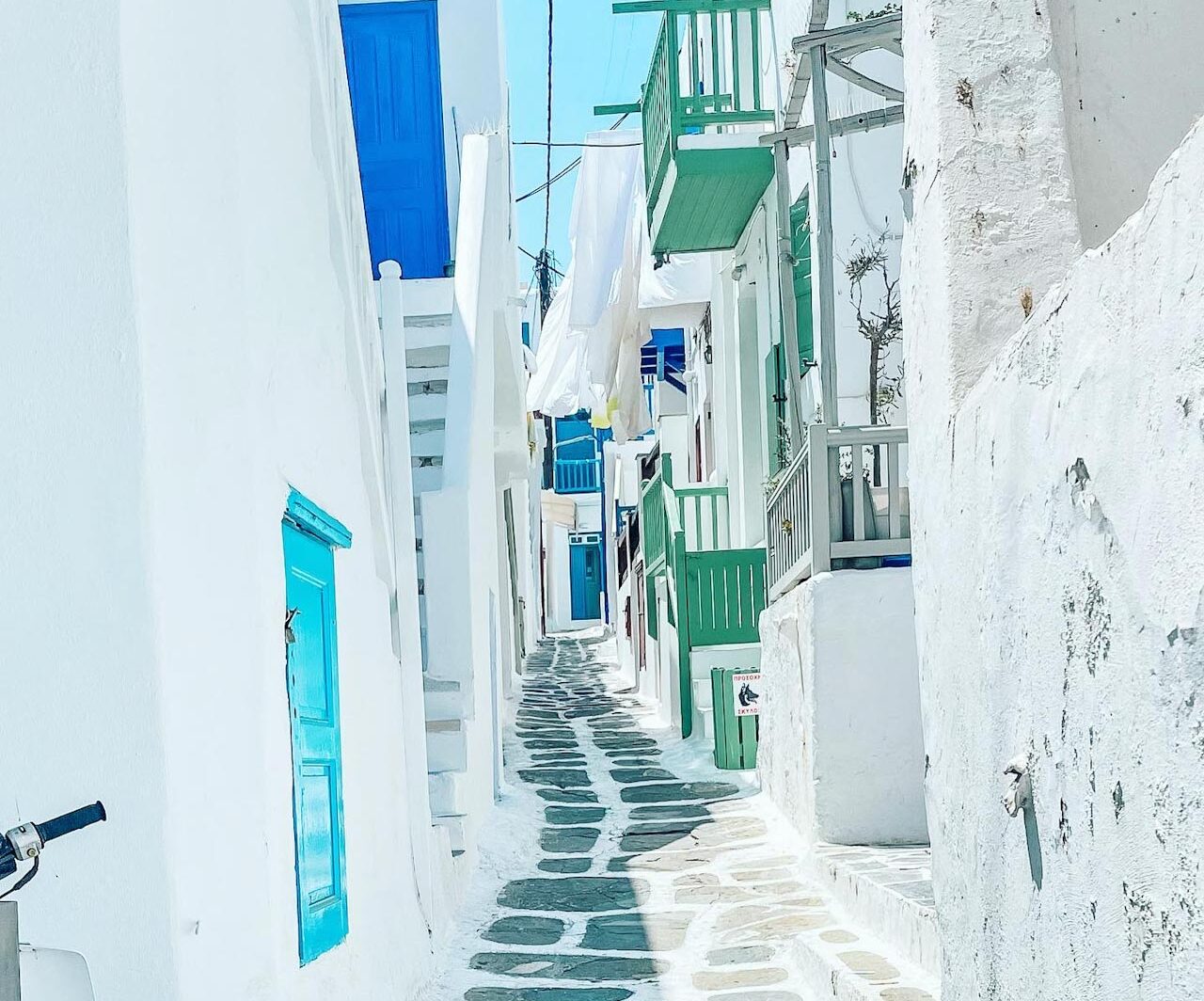
- Mykonos: Windmills, whitewashed alleys and Delos ruins.
- Corfu: Venetian architecture and lush hilltop villages.
Plan ahead to hit the highlights and discover hidden gems.
10. DIY or Ship Tour? How to See More and Spend Less
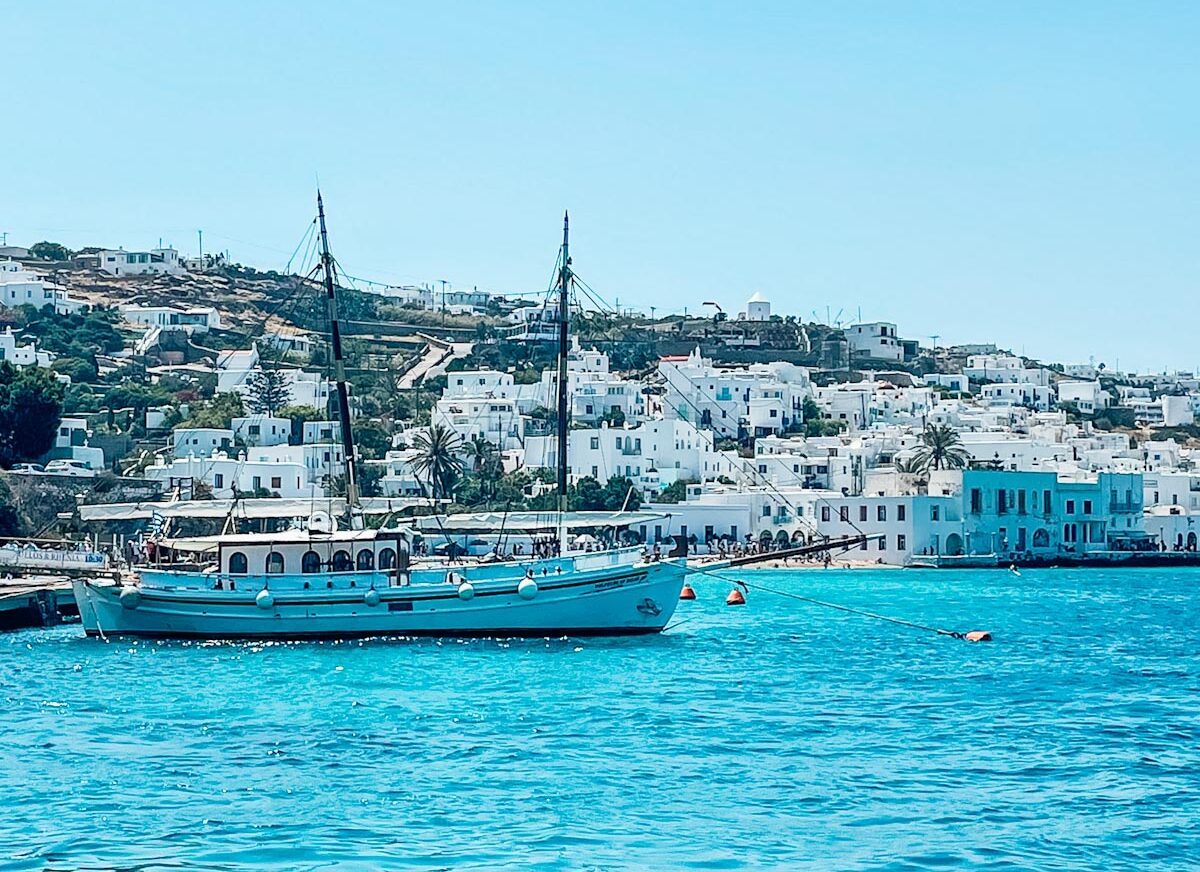
Greek ports are safe and navigable. Public buses, ferries, and private guides offer flexibility and savings, but always leave at least an hour buffer to return to the ship; traffic and ferries can be unpredictable.
A Greek Cruise Offers Unforgettable Scenery, History, And Culture
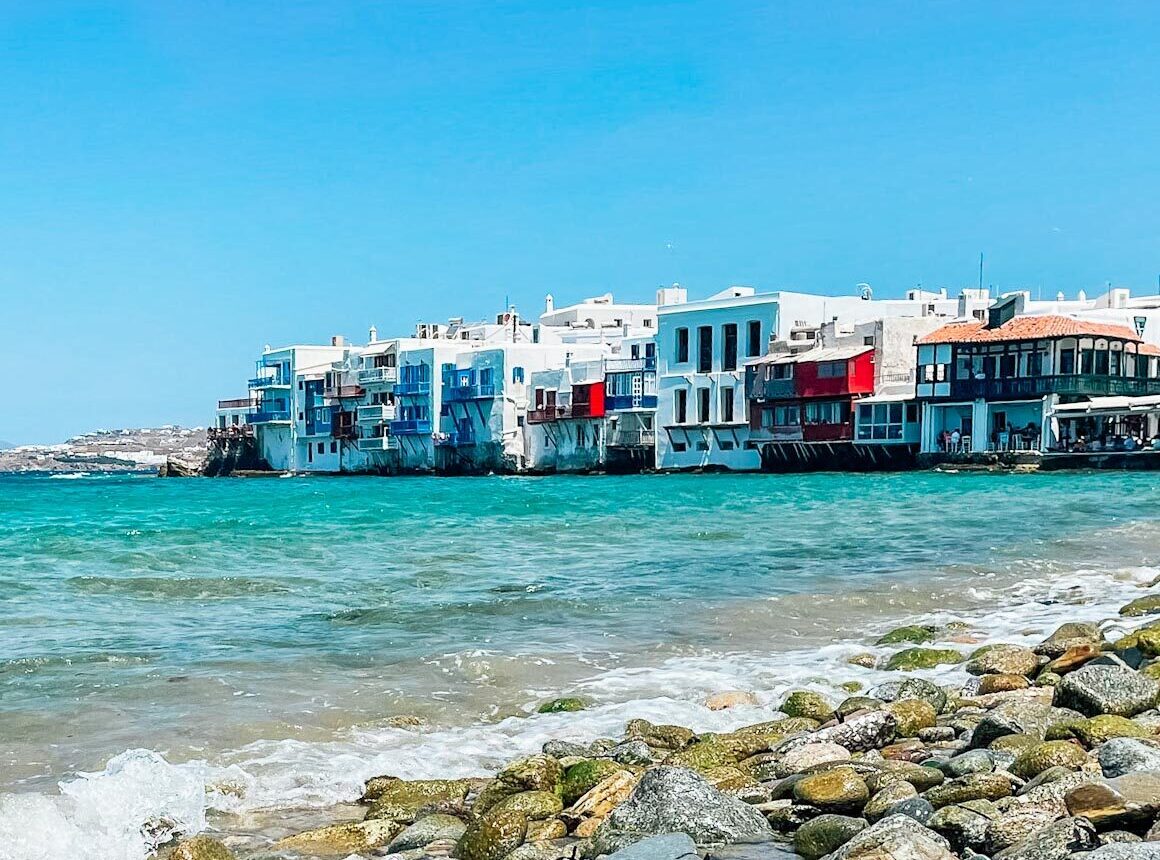
But being unprepared can turn your dream holiday into a stressful experience. Follow these ten insider tips, pack wisely, respect local customs, and plan your days strategically. By the time you step ashore, you’ll be ready to explore Greece like a pro—and make memories that last a lifetime.
