
When we talk about the “biggest” cruise ports, we aren’t just thinking about how many ships dock there; we’re looking at total passenger volume, the number of cruise ship calls, terminal capacity, and the ability to handle the world’s largest ships.
The Ports Handling Millions of Passengers
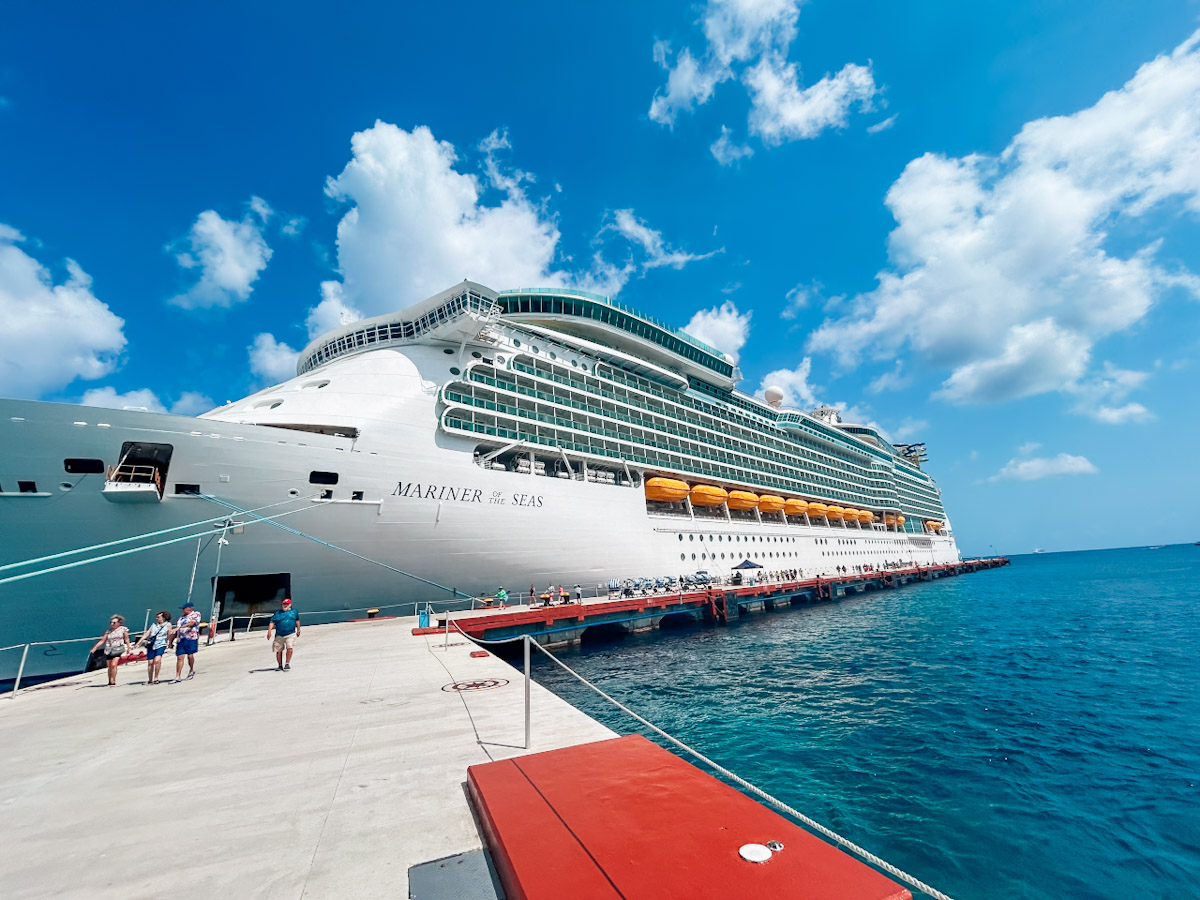
AD We have been or could be if you click on a link in this post compensated via a cash payment, gift or something else of value for writing this post. See our full disclosure policy and privacy policy for more details.
Some ports are major homeports, where cruises start or end, while others are extremely popular ports of call, where thousands of tourists arrive each day for excursions and sightseeing. These ports often become destinations in their own right, with modern terminals, shopping, cultural attractions, and easy transport links. From the bustling Caribbean hubs in the United States to historic European gateways and emerging winter hotspots in the Middle East, these ports shape the cruise experience for millions of travellers every year.
Here’s a look at some of the world’s busiest cruise ports, including a bit of history and what makes them so popular.
1. PortMiami, USA
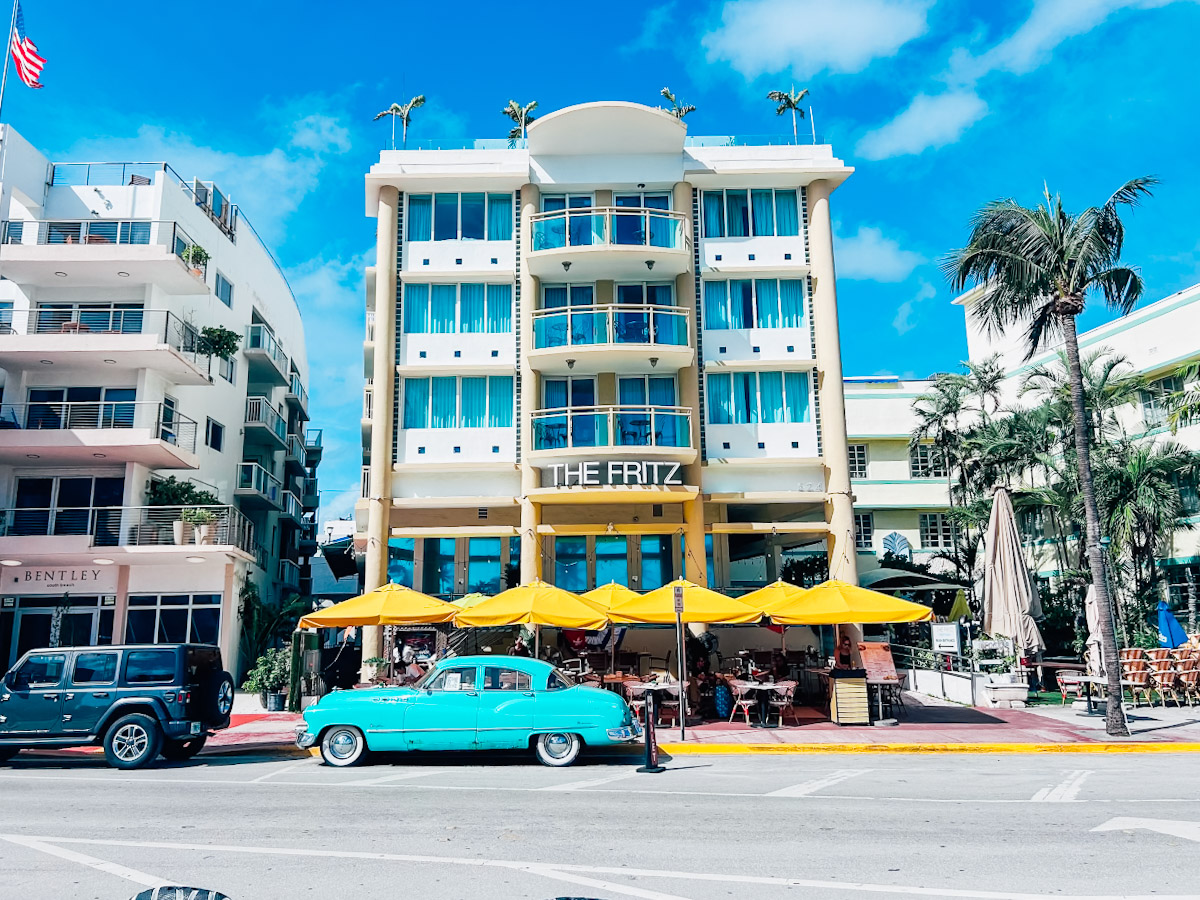
Often called the “Cruise Capital of the World,” PortMiami has been a major passenger gateway since the 1970s, when modern leisure cruising first surged. As mega-ships grew, Miami expanded its terminals and now hosts some of the world’s largest cruise ships, including Royal Caribbean’s Oasis and Icon Class.
- Passenger volume: 4 million per year
- Why it’s big: Homeport for most Caribbean sailings, multiple large terminals
2. Port Canaveral, Florida, USA
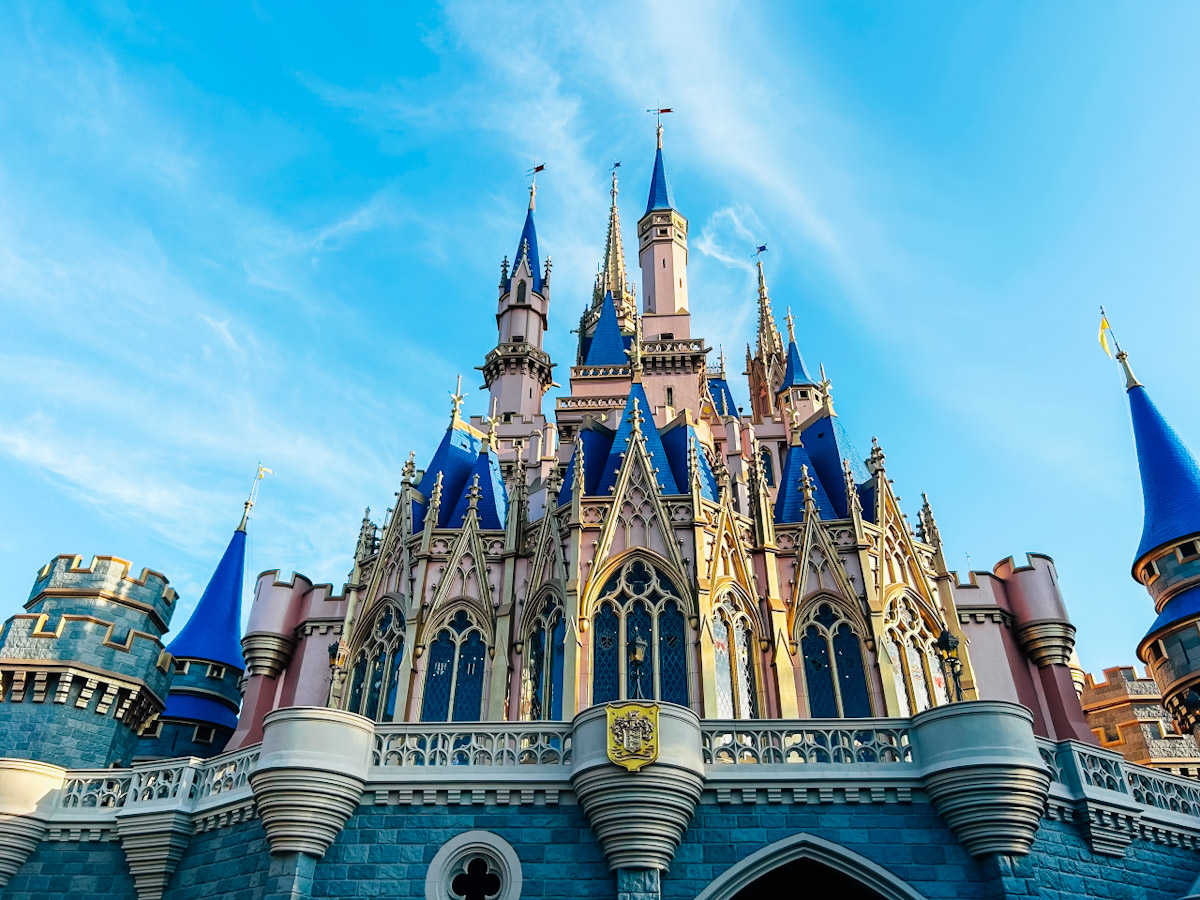
Port Canaveral developed initially as a cargo and naval port. Its cruise business took off in the 1990s, fuelled by families combining Disney, Universal, and beach holidays. Today, it’s a major homeport for Disney Cruise Line, Royal Caribbean, and Carnival.
- Passenger volume: ~3 million per year
- Why it’s big: Rapid growth, easy fly-cruise access, family-friendly itineraries
3. Port Everglades (Fort Lauderdale), USA
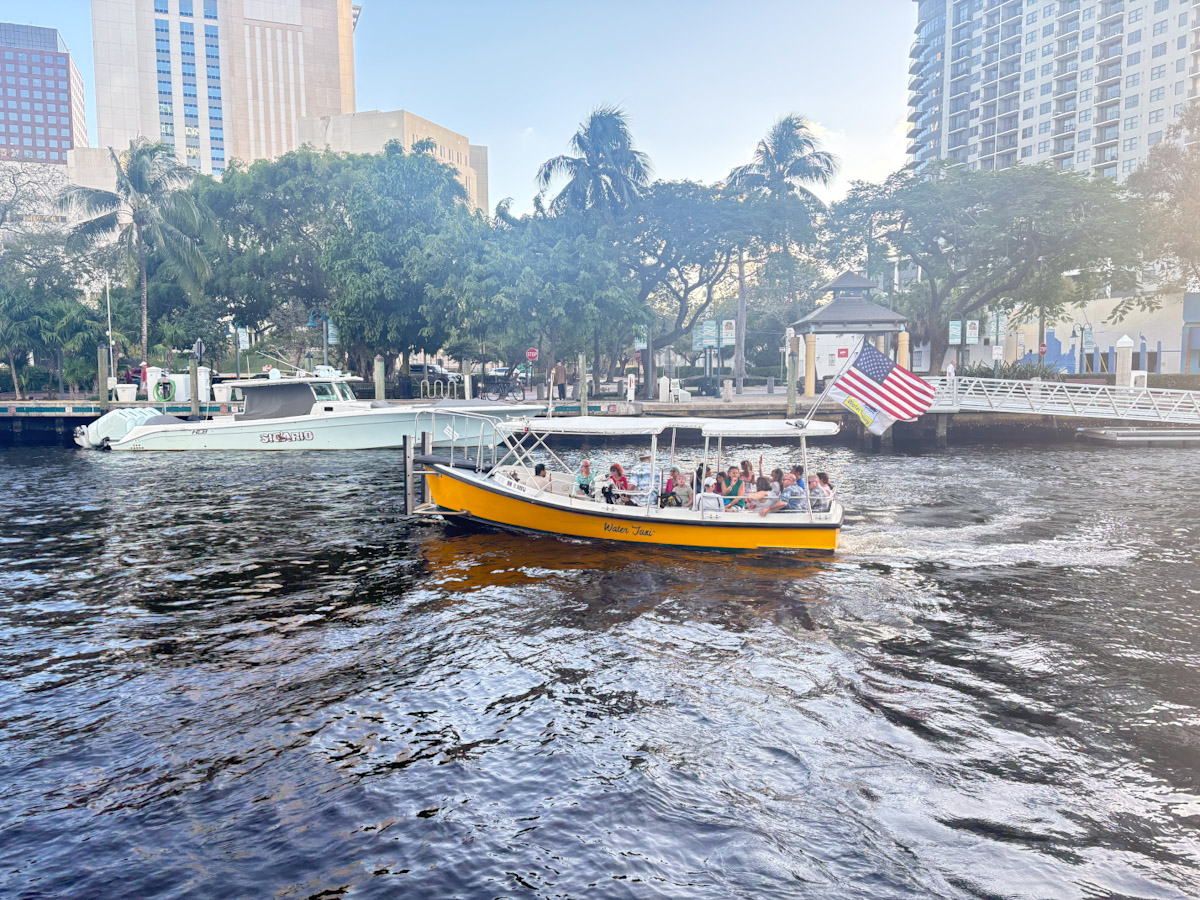
Port Everglades began as a trading harbour in the early 20th century, but boomed as a cruise port in the 1980s and 90s. It’s popular because it’s close to Fort Lauderdale Airport, making fly-cruising easy, and it’s home to some of Royal Caribbean’s biggest ships, especially during the winter Caribbean season.
- Passenger volume: 2 million per year
- Why it’s big: Major Caribbean departures, convenient airport access
4. Cozumel, Mexico
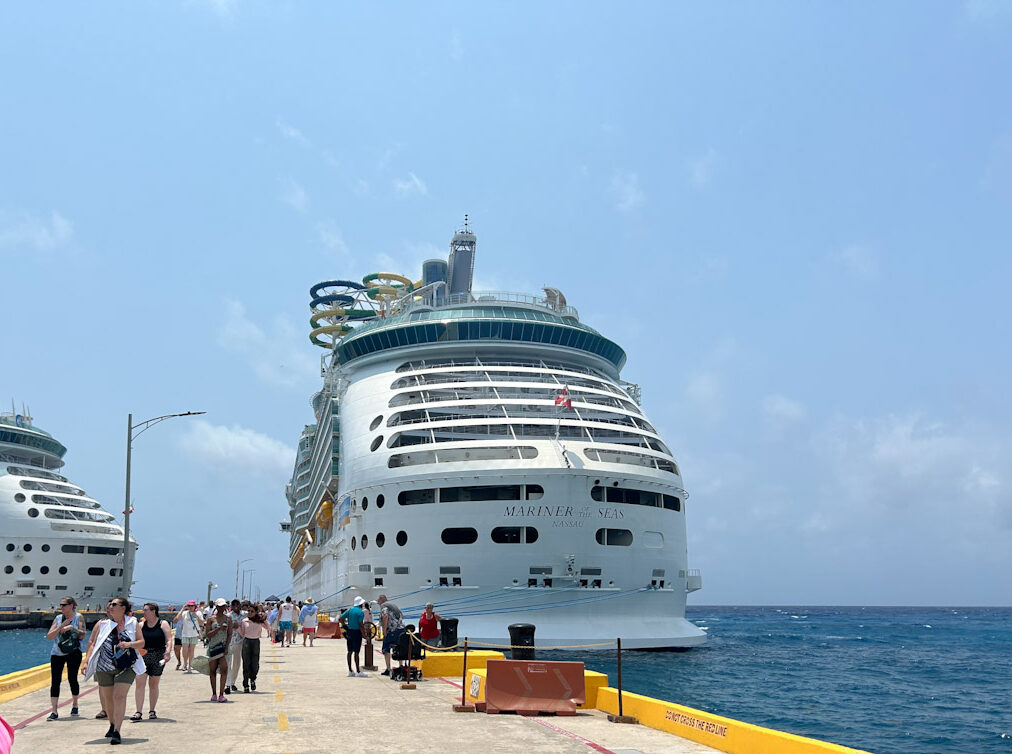
Cozumel is not a homeport; it’s one of the world’s busiest ports of call. Cruise ships stop here primarily for beaches, reef diving, and excursions to Mayan ruins like Tulum and Chichen Itza. Its popularity took off in the 1960s after Jacques Cousteau highlighted its coral reefs,
- Cruise visits: 1,281 ships per year
- Passenger volume: 4.6 million per year
- Why it’s big: High volume of cruise stops, one of the world’s top tourist destinations
5. Nassau, Bahamas
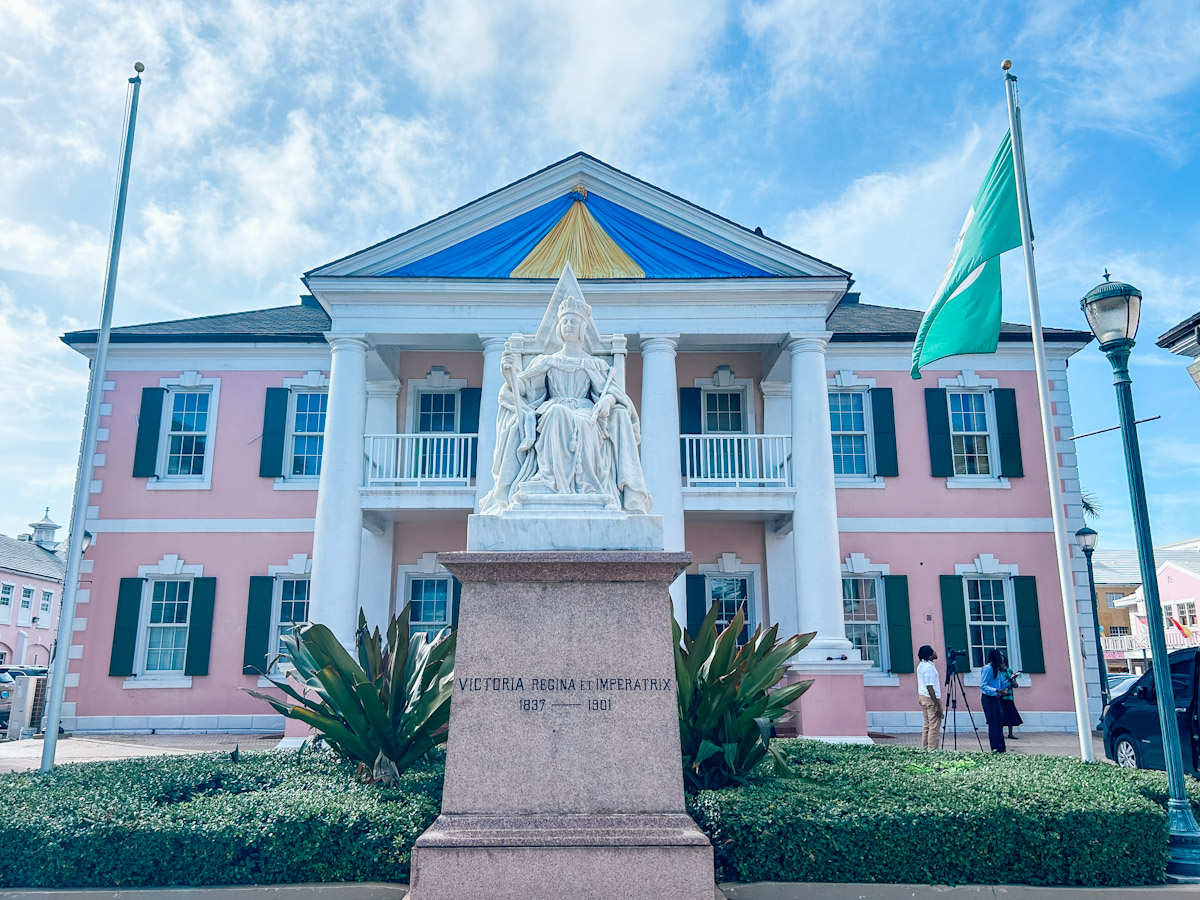
Nassau has a long maritime history, once notorious for pirates before becoming a British colonial town and later a tourism hub. Cruise visitors come for beaches, shopping, and resort access to Atlantis on Paradise Island,
- Passenger volume: 2–3 million per year
- Why it’s big: Close to Florida, high daily cruise traffic, modern terminal expansions
6. Barcelona, Spain
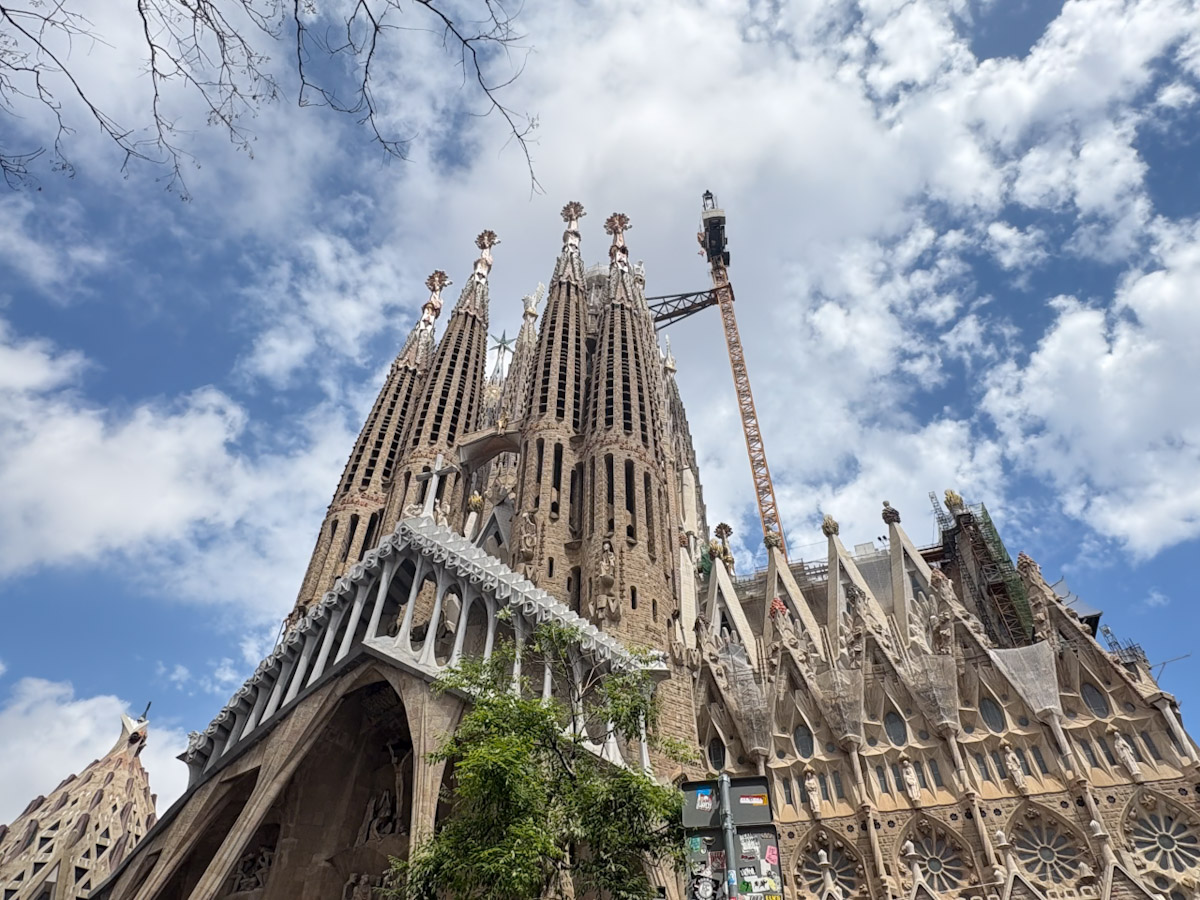
Barcelona is the largest cruise port in Europe and the gateway to Mediterranean sailings. Cruise tourism here expanded in the 1990s alongside the city’s rise as a cultural destination following the 1992 Olympics, which transformed its waterfront,
- Passenger volume: 3.1 million per year
- Why it’s big: Cultural draw, major European hub, large capacity for multiple ships at once
7. Civitavecchia (Rome), Italy

Founded in 101 AD by Emperor Trajan, Civitavecchia has served as the historic maritime port for Rome for nearly two millennia. Cruise passengers dock here and typically travel 60–90 minutes inland to explore sites such as the Colosseum and Vatican City,
- Passenger volume: 2–2.5 million per year
- Why it’s big: Access to Rome, long-term appeal to European and Mediterranean itineraries
8. Southampton, UK

Southampton has been a major passenger port since the 19th century, with historic ocean liners like the RMS Titanic departing from here. Today, it’s the main cruise gateway for Britain, hosting P&O Cruises, Cunard, MSC, and seasonal Royal Caribbean sailings,
- Passenger volume: 1.5–2 million per year
- Why it’s big: Long-standing cruise infrastructure, gateway for Europe and transatlantic sailings
9. Dubai, UAE

Dubai entered the cruise market later than European and US ports but expanded quickly due to winter sun demand, modern terminals, and Middle East itineraries. Its cruise terminal sits close to the city’s futuristic skyline, malls, and beaches,
- Passenger volume: 1.2–1.5 million per year
- Why it’s big: New market, modern facilities, access to Arabian Gulf itineraries
Cruise Ports Are Far More Than Places Where Ships Simply Come And Go
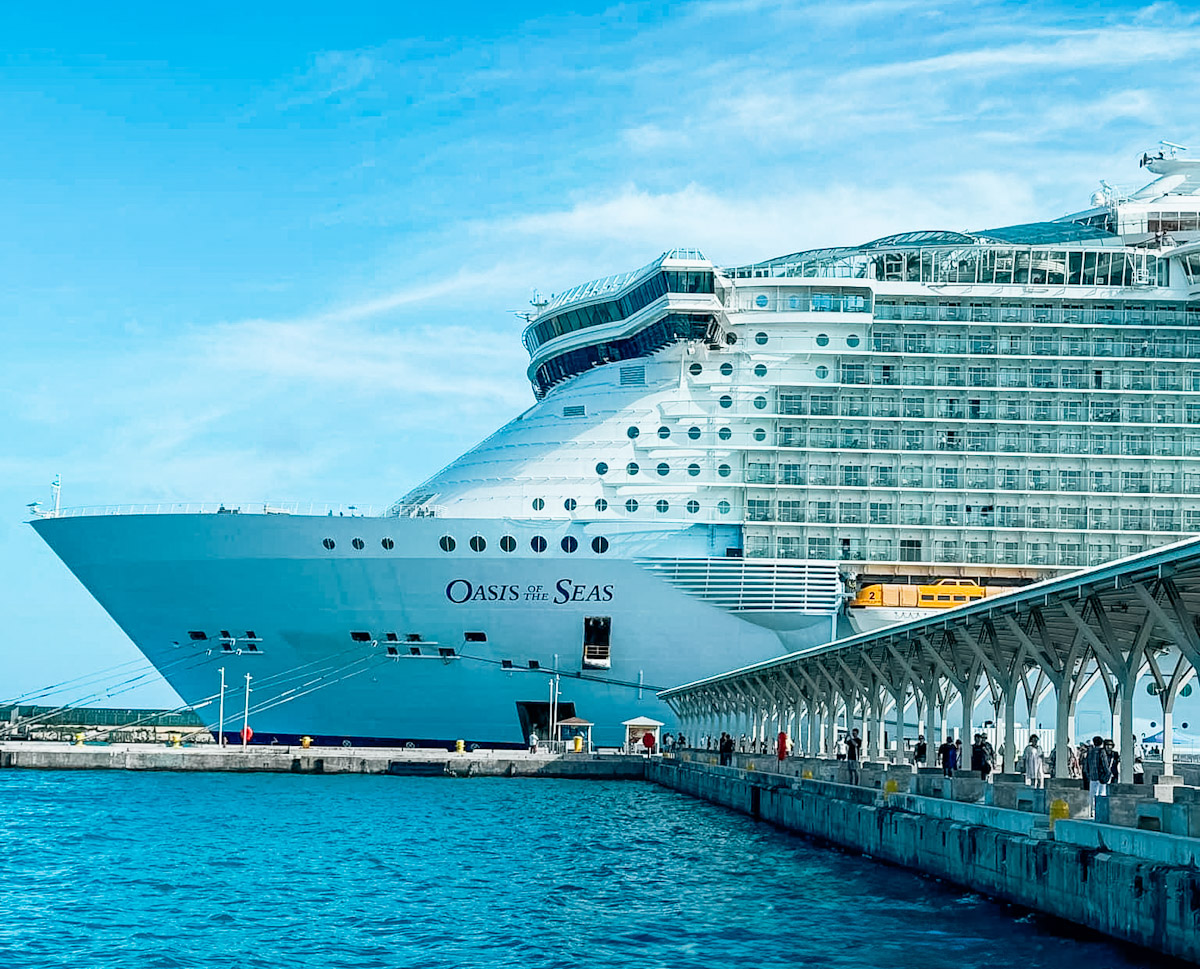
They’re vibrant gateways to culture, adventure and new horizons, each shaping the way we travel the world by sea.
From the powerhouse homeports of Florida to the sun-drenched stops in the Caribbean and the iconic European hubs that link continents and coastlines, these ports keep the cruise world moving. Whether you’re embarking on your first sailing or your fiftieth, the port you start from and the ones you visit along the way play a huge part in the journey. So next time you cruise, take a moment to notice the port itself, it might just be the beginning of your favourite story.
- Biggest homeports: Miami, Port Canaveral, Port Everglades
- Busiest ports of call: Cozumel, Nassau
- Europe’s top ports: Barcelona, Civitavecchia, Southampton
- Fastest-growing winter hub: Dubai
