
Ever overheard someone on a cruise mention the aft deck, muster drill or SeaPass and wondered what on earth they were talking about? You’re not alone! Cruise ships have their own language, filled with nautical words and cruise-specific jargon that can sound confusing when you first set sail.
Cruise Lingo It Helps To Know

AD We have been or could be if you click on a link in this post compensated via a cash payment, gift or something else of value for writing this post. See our full disclosure policy and privacy policy for more details.
Whether you’re stepping aboard your very first cruise or just want to sound like you belong on deck with the regulars, this handy guide will help you understand all the key cruise terms you’ll hear on board.
The Cruise Terms Everyone Searches For
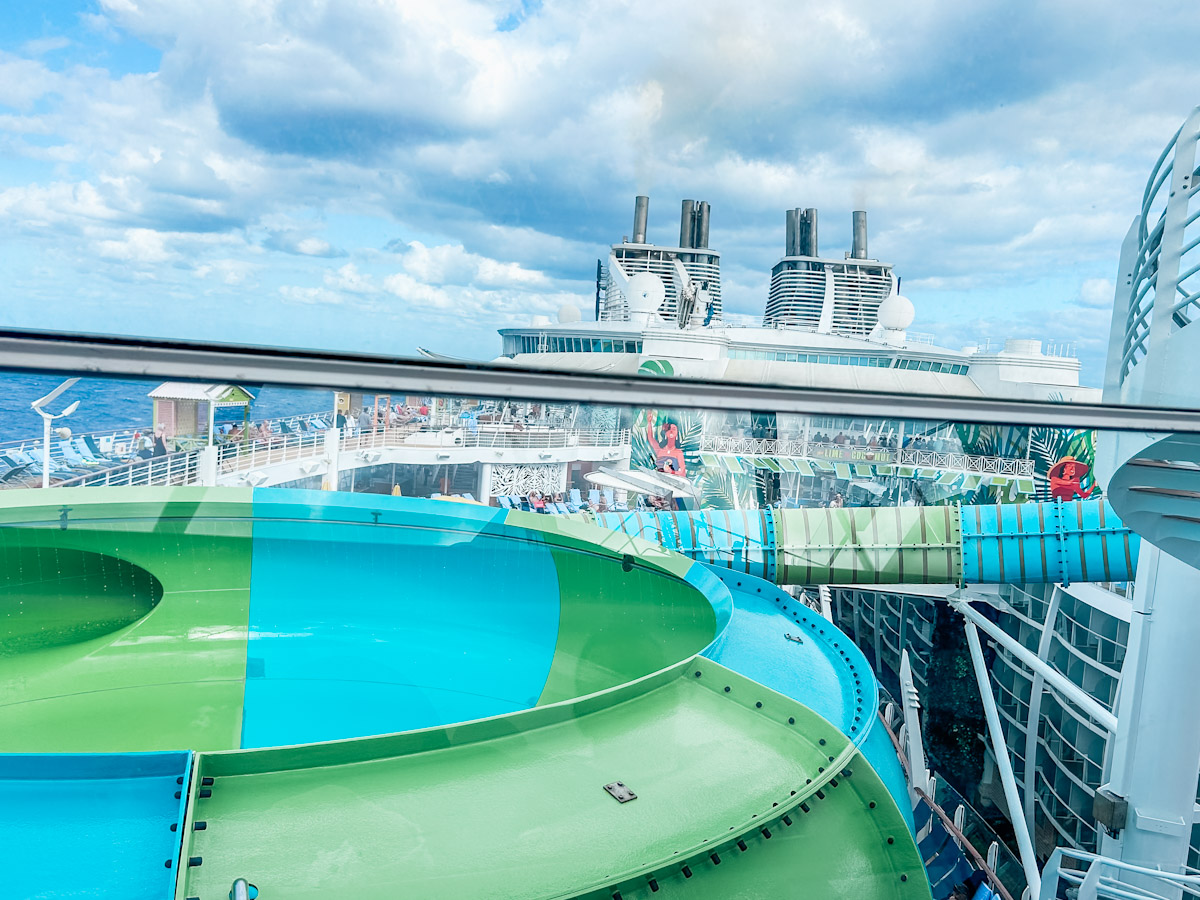
These 10 terms are the ones new cruisers look up the most, and with good reason! Master these and you’ll sound like a seasoned sailor in no time.
From embarkation and port days to the difference between port and starboard, these are the phrases that will help you navigate your next voyage with confidence. So grab a cocktail (perhaps a piña colada by the pool), sit back, and let’s decode the cruise lingo you need to know before you sail away.
1. Cabin or Stateroom: Your Floating Home

Your accommodation on board. Cabins come in many categories, from cosy interior cabins with no window to luxurious balcony cabins and suites with extra space and added perks.
2. Balcony Cabin: The Most Popular Choice
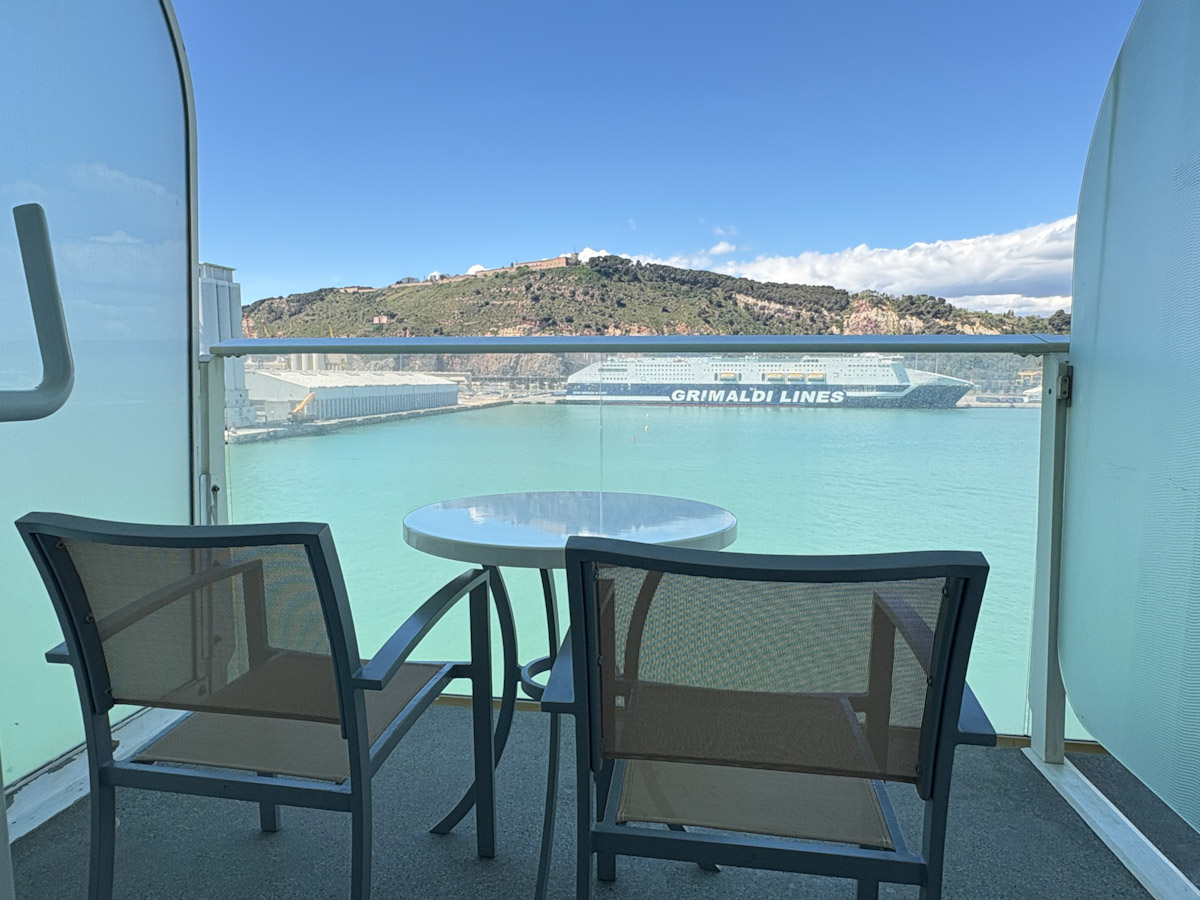
One of the most searched terms by first-time cruisers! A balcony cabin includes your own private outdoor space where you can enjoy coffee at sunrise or watch the waves roll by as the ship sails.
3. Port: Left Side and Where You’ll Dock
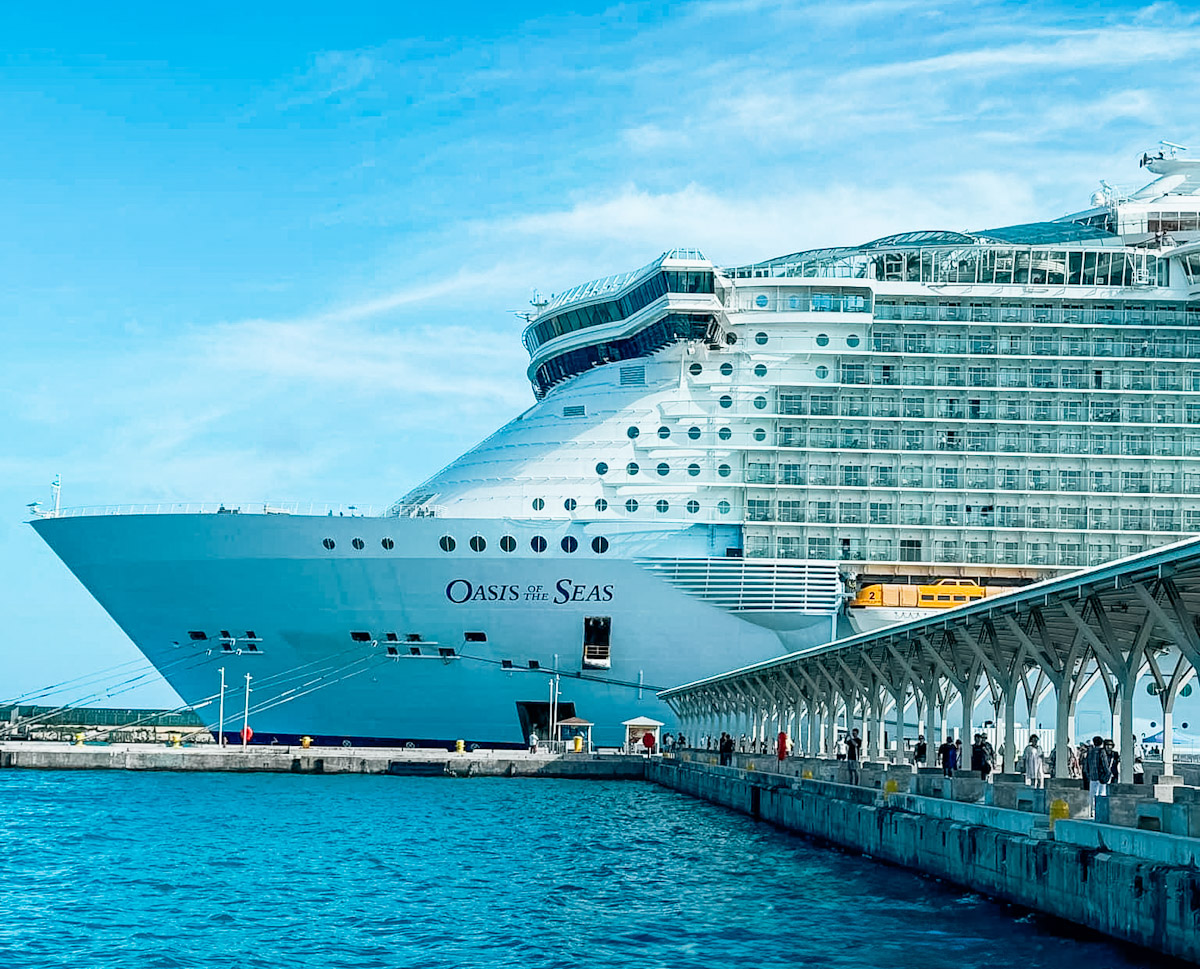
The left-hand side of the ship, when facing forward towards the bow, is also a term used for destinations on your cruise itinerary (like the Port of Naples or Port of Barcelona).
4. Starboard: The Right Side of the Ship

The right-hand side of the ship when facing forward. “Port” and “starboard” are universal terms that help crew and guests avoid confusion, no matter which way they’re facing.
5. Bow: The Front of the Ship
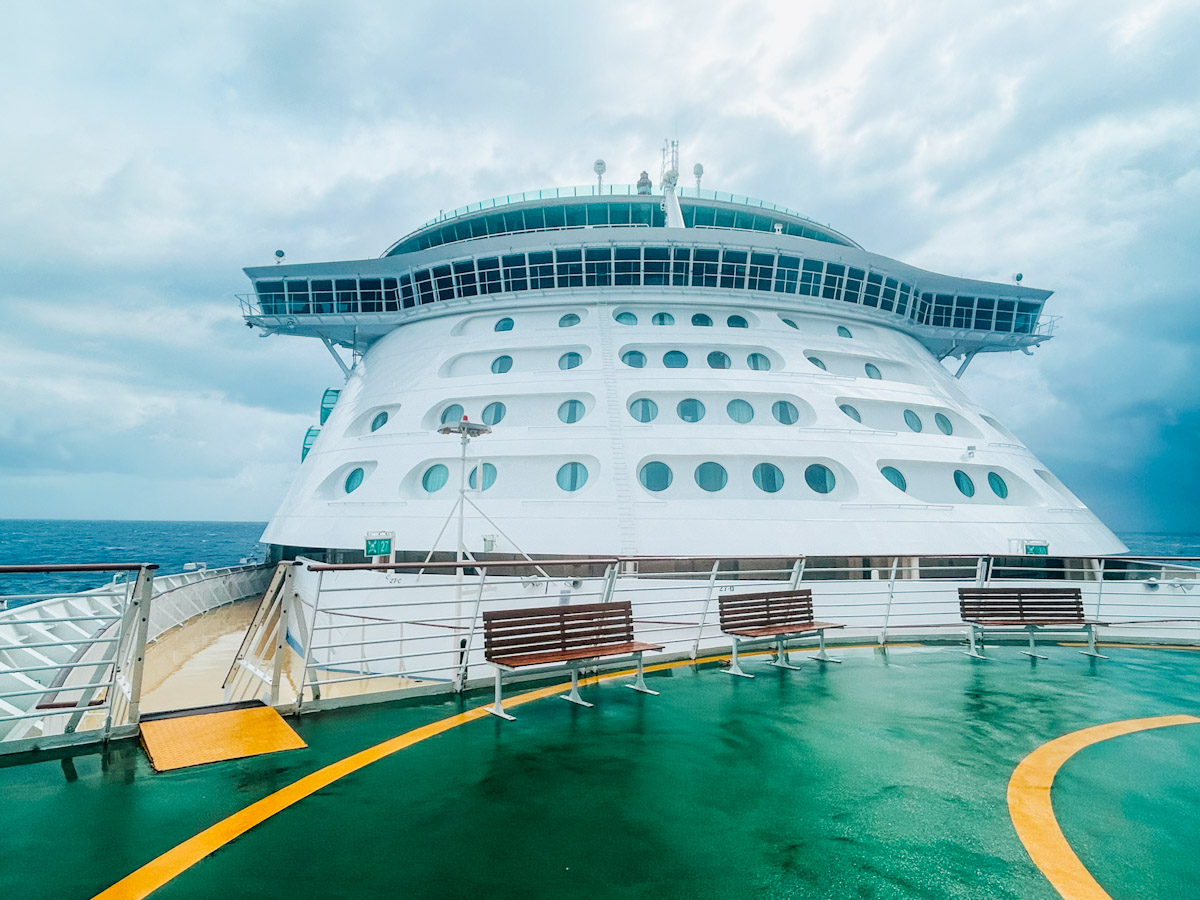
The very front of the ship. Some of the most dramatic ocean views come from the bow, but you might feel more motion here during rough seas.
6. Aft: The Calm End With the Best Views

The back (rear) of the ship. Aft cabins are popular for their peaceful atmosphere and stunning views of the ship’s wake.
7. Muster Drill: Safety First
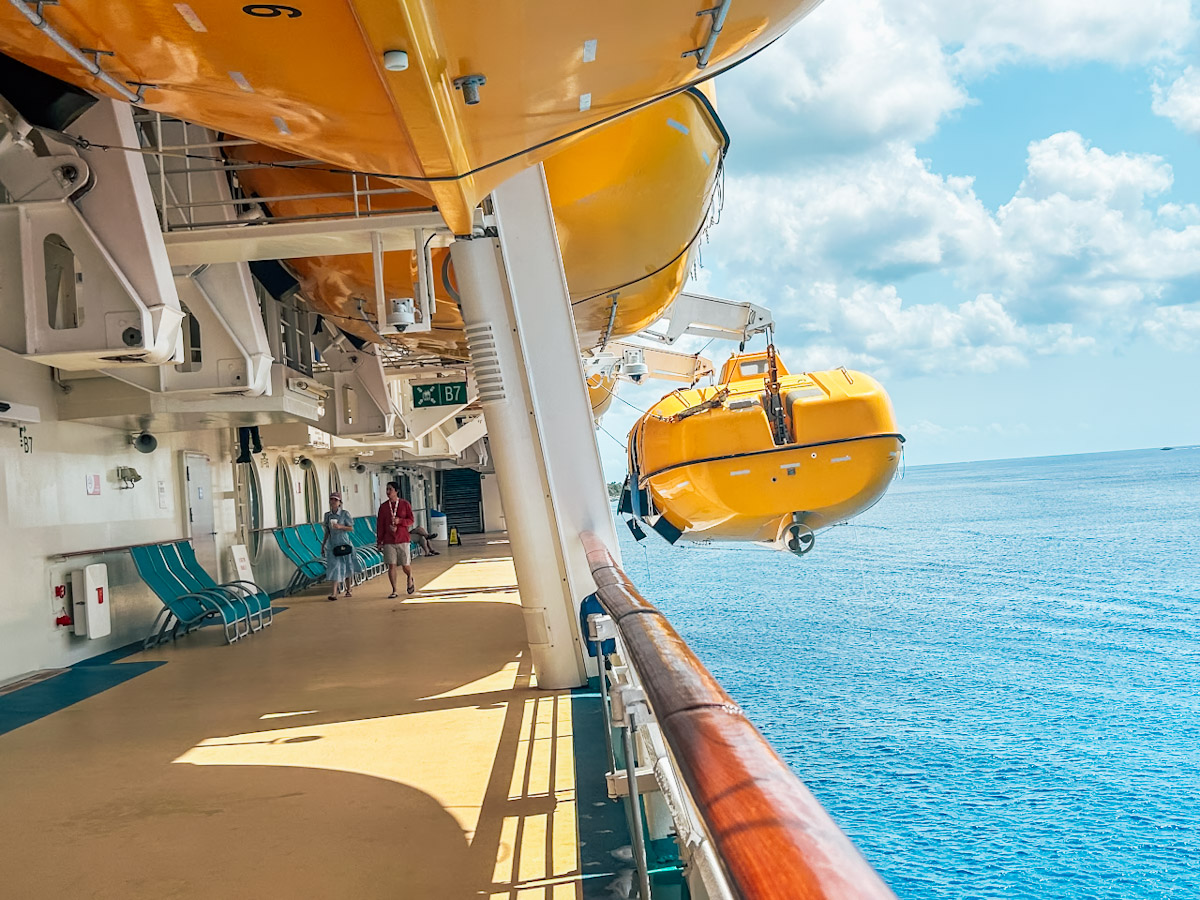
A mandatory safety briefing that takes place before the ship leaves port. It’s where you’ll learn what to do in an emergency and where your muster station is located. Most lines now make this quick and easy, often via your cabin TV or an app before a simple check-in.
8. Embarkation: The Start of Your Cruise Adventure

The process of boarding your cruise ship at the start of your holiday. From security to stepping onto the gangway, it’s the moment your adventure officially begins!
9. Disembarkation: Saying Goodbye to the Ship

The organised process of leaving the ship at the end of your cruise. It’s usually done by deck or luggage tag number to keep things smooth and stress-free.
10. Tender: When You Can’t Dock
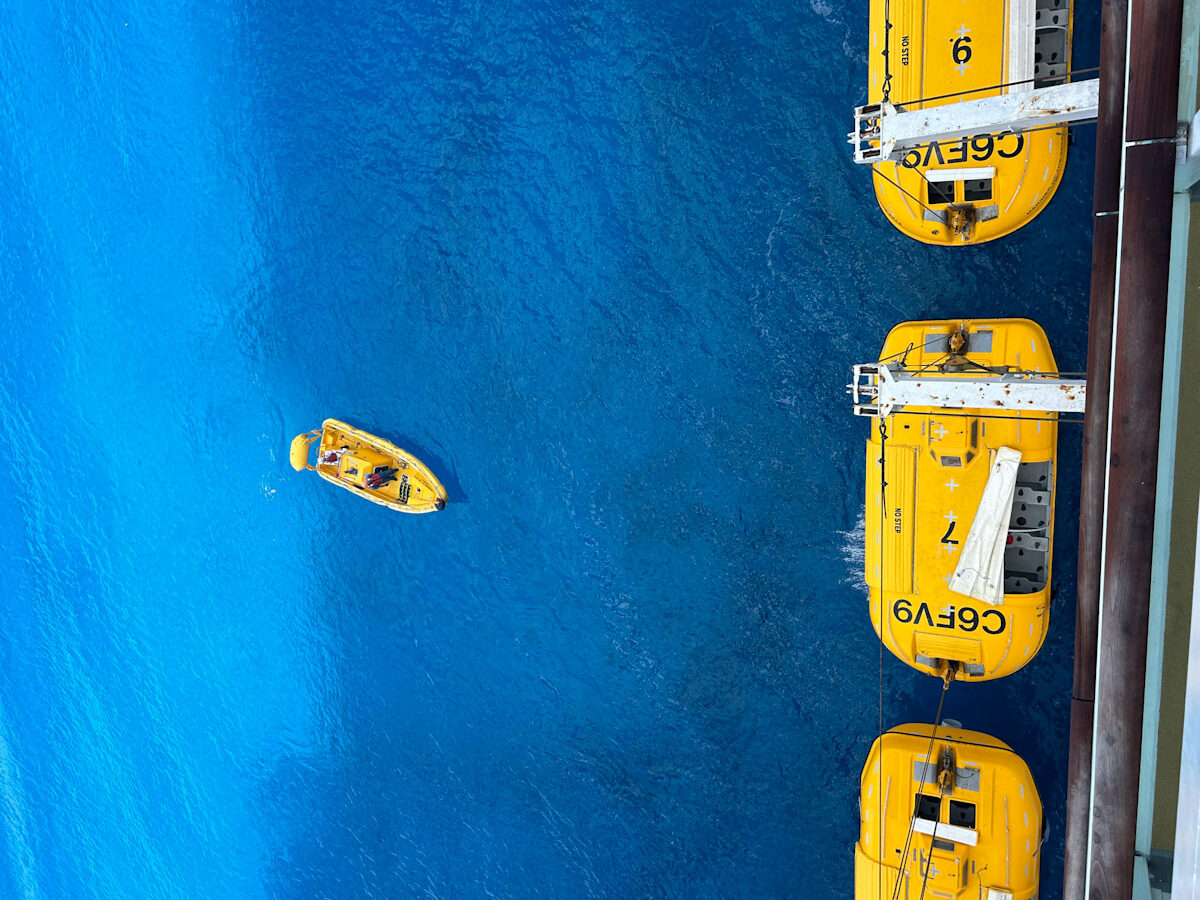
A smaller boat used to take passengers to shore when the ship anchors offshore instead of docking at a pier. Tender rides are common in picturesque ports like Santorini or Grand Cayman, and often offer a wonderful first glimpse of the destination.
Ready to Set Sail?
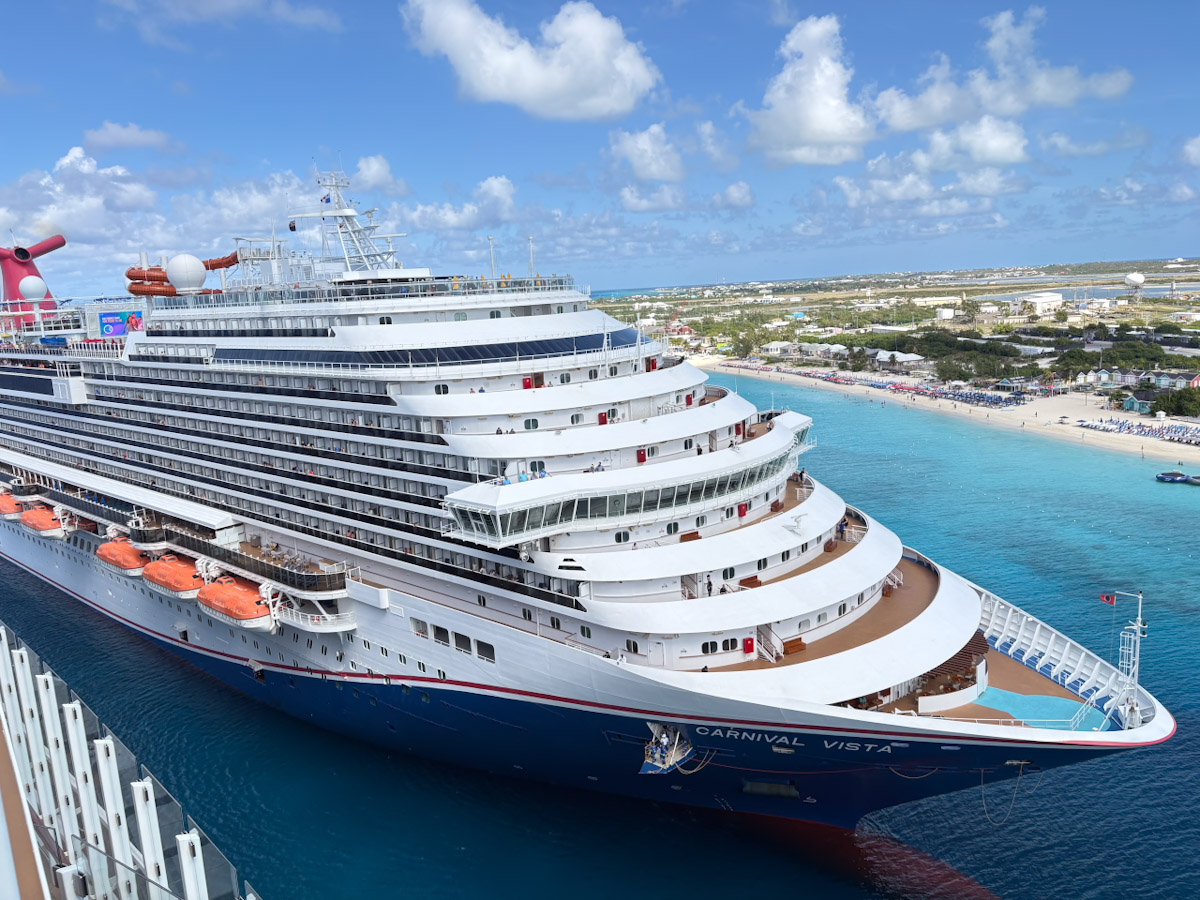
Learning cruise lingo might seem like a small thing, but it really does make a difference once you’re on board. You’ll find it easier to understand announcements, find your way around, and chat with fellow passengers without confusion. Next time you hear someone say, “Meet me aft on the Lido Deck for sailaway,” you’ll know exactly where to go, and sound like a cruising pro while you’re at it.
