
Before today’s glittering floating resorts and high-tech cruise ships, one pioneering British company set the course for nearly two centuries of maritime innovation.
From Mail Ships to Modern Mega-Ships
AD We have been or could be if you click on a link in this post compensated via a cash payment, gift or something else of value for writing this post. See our full disclosure policy and privacy policy for more details.
P&O Cruises, originally the Peninsular and Oriental Steam Navigation Company, began humbly in 1837, carrying mail and passengers between Britain and the Iberian Peninsula.
Over time, it expanded its network across the Mediterranean, through the Suez Canal, and on to India, the Far East and Australia, playing a central role in connecting Britain to the wider world. But P&O’s greatest legacy lies in how it transformed from a mail carrier into a cruise line that defined and helped shape modern leisure cruising. Its story mirrors the evolution of sea travel itself: from essential service to glamorous escape.
Early Beginnings: Delivering Mail by Sea
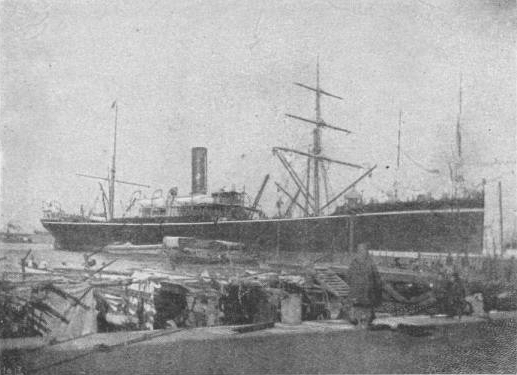
P&O’s story began in 1837 when London shipbroker Brodie McGhie Willcox and Scottish sailor Arthur Anderson secured a government contract to deliver mail between England and the Iberian Peninsula. They partnered with Captain Richard Bourne of Dublin, who supplied a small fleet of steamships.
Their service quickly gained a reputation for efficiency and reliability, and by 1840 the company had officially become the Peninsular and Oriental Steam Navigation Company. As the British Empire expanded, P&O extended its routes across the Mediterranean and, after the opening of the Suez Canal in 1869, onward to India, the Far East and Australia. This positioned P&O as a vital link between Britain and its global territories, carrying both mail and passengers across vast distances.
Victorian Expansion and Passenger Travel
Although mail and cargo were P&O’s original focus, the company soon realised the potential in passenger travel. Wealthy Victorians began using P&O ships to reach distant destinations in comfort, attracted by regular schedules and onboard service.
These voyages weren’t leisure cruises as we know them today, but they introduced elements of comfort and refinement that set P&O apart. By the late 19th century, P&O ships were transporting not only government officials and traders but also tourists seeking to explore the world in style, cementing the line’s reputation for elegance at sea.
The Birth of Leisure Cruising
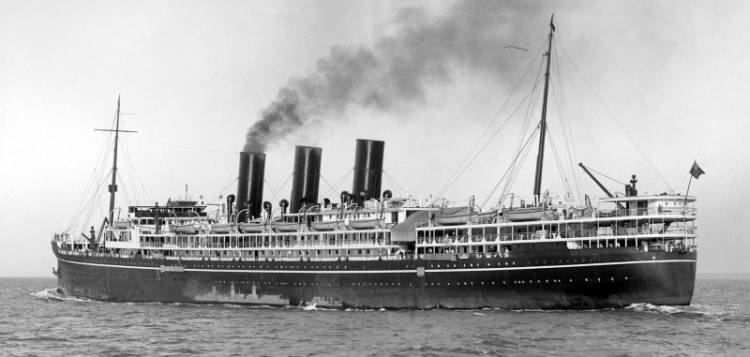
At the turn of the 20th century, P&O began offering voyages specifically designed for pleasure rather than transportation. Seasonal cruises to the Mediterranean and beyond proved popular among affluent travellers seeking sunshine and culture during the British winter.
These early leisure voyages marked the start of a significant shift. P&O’s ships became renowned for their service, comfort and carefully planned itineraries, helping to popularise the idea of cruising for enjoyment long before it became mainstream.
Two World Wars and a Time of Change
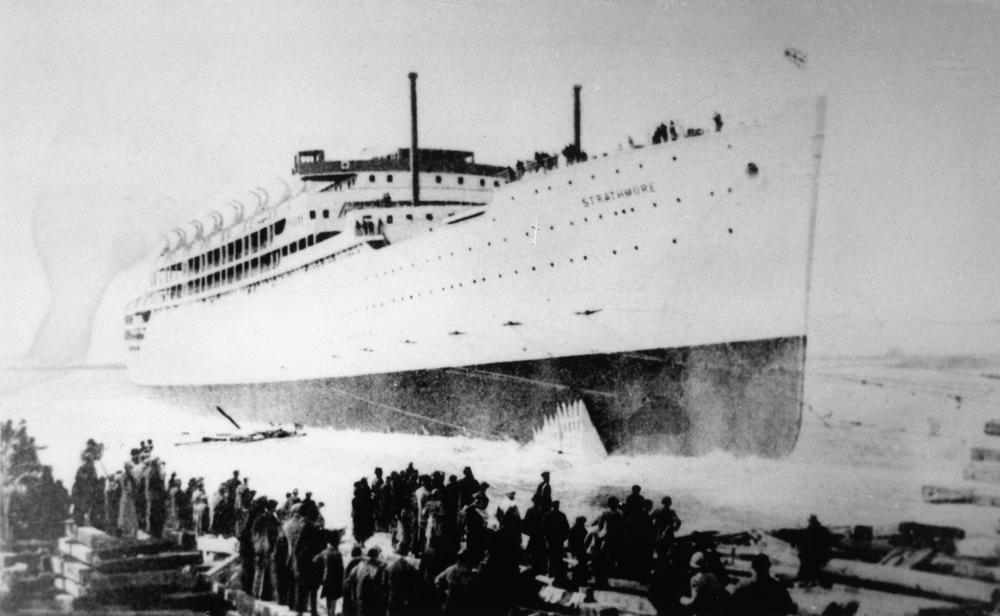
P&O’s fleet played an important role in both World Wars. Many of its ships were requisitioned to transport troops and supplies, and several were lost during the conflicts. After each war, the company rebuilt its fleet and resumed operations, continuing to operate long-distance liner services to destinations such as India and Australia. However, by the mid-20th century, the world of travel was changing rapidly, and P&O would soon face its greatest test.
The Jet Age and a New Direction
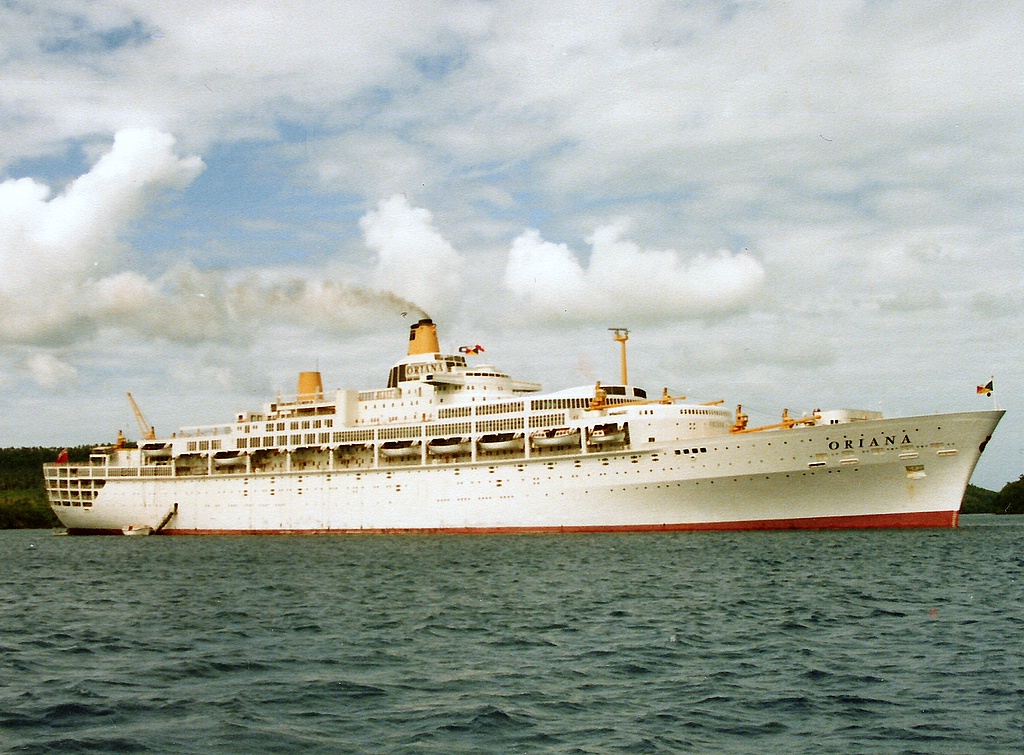
The arrival of commercial jet travel in the 1950s and 1960s revolutionised global transport. Long sea voyages could no longer compete with the speed and convenience of air travel. Rather than fading into history, P&O adapted.
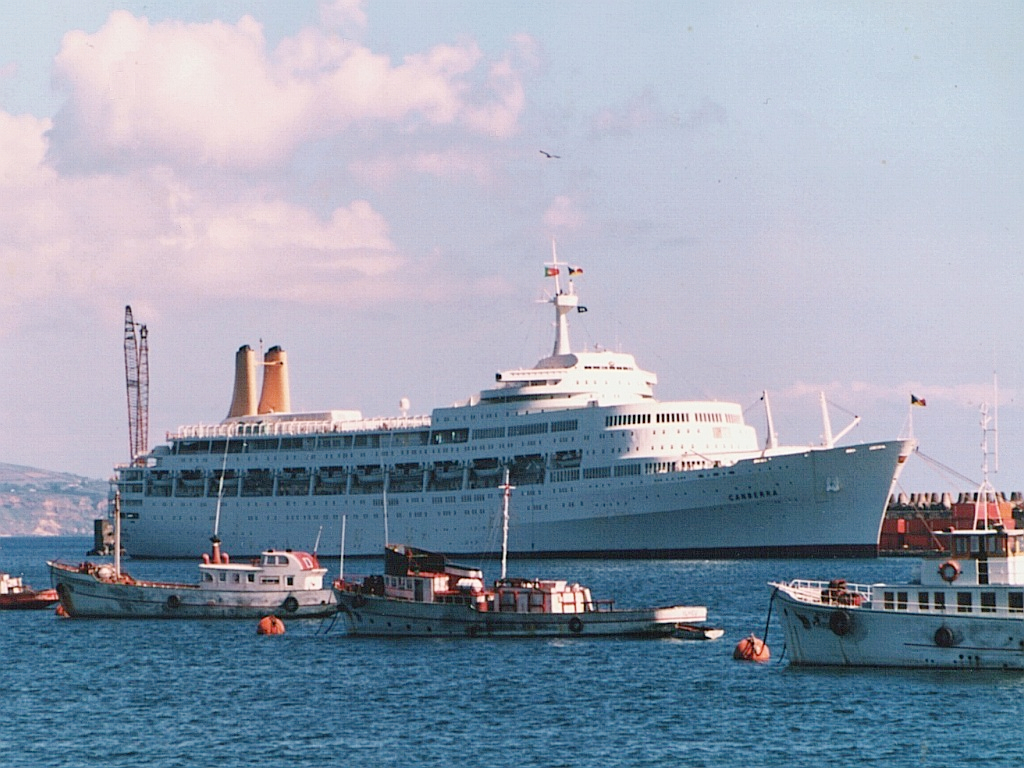
The company began shifting its focus away from traditional liner services and towards leisure cruising. This transformation unfolded over several years. In the early 1970s, P&O modernised its fleet and converted ships for cruise-only use. In 1974, it acquired Princess Cruises, and ships like Canberra adopted one-class cruising, symbolising the company’s decisive move towards holiday voyages rather than scheduled transport.
Merging Tradition with Modern Cruising
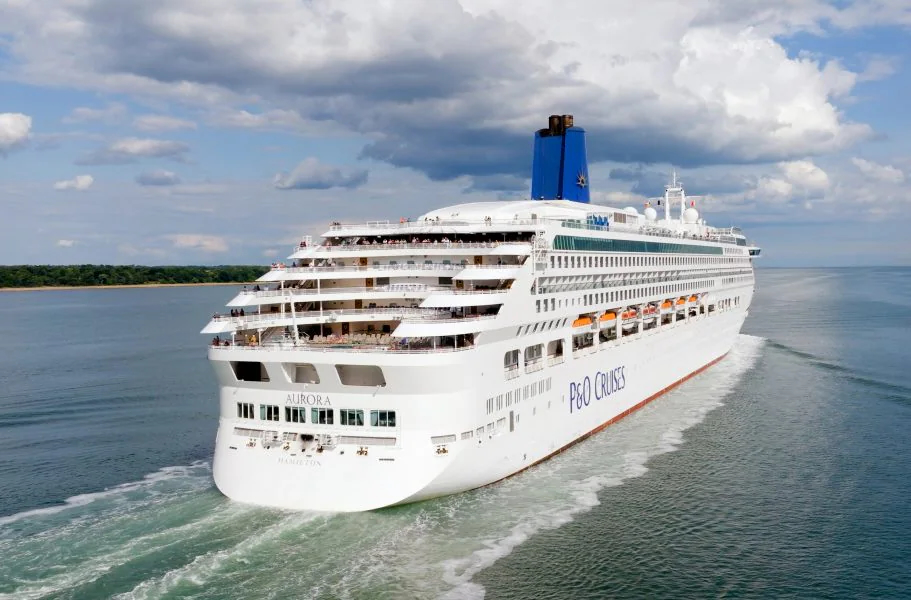
In the decades that followed, P&O Cruises embraced the changing market, combining its rich maritime heritage with contemporary cruise experiences. The company launched new ships, expanded itineraries and strengthened its reputation for offering a distinctly British style of cruising, complete with formal evenings, afternoon tea and itineraries tailored to UK travellers.
In 2000, P&O Princess Cruises was established as a separate company, and in 2003 it merged with Carnival Corporation to form Carnival Corporation & plc, the world’s largest cruise company. Despite being part of a global group, P&O Cruises has retained its uniquely British character.
P&O Cruises Today
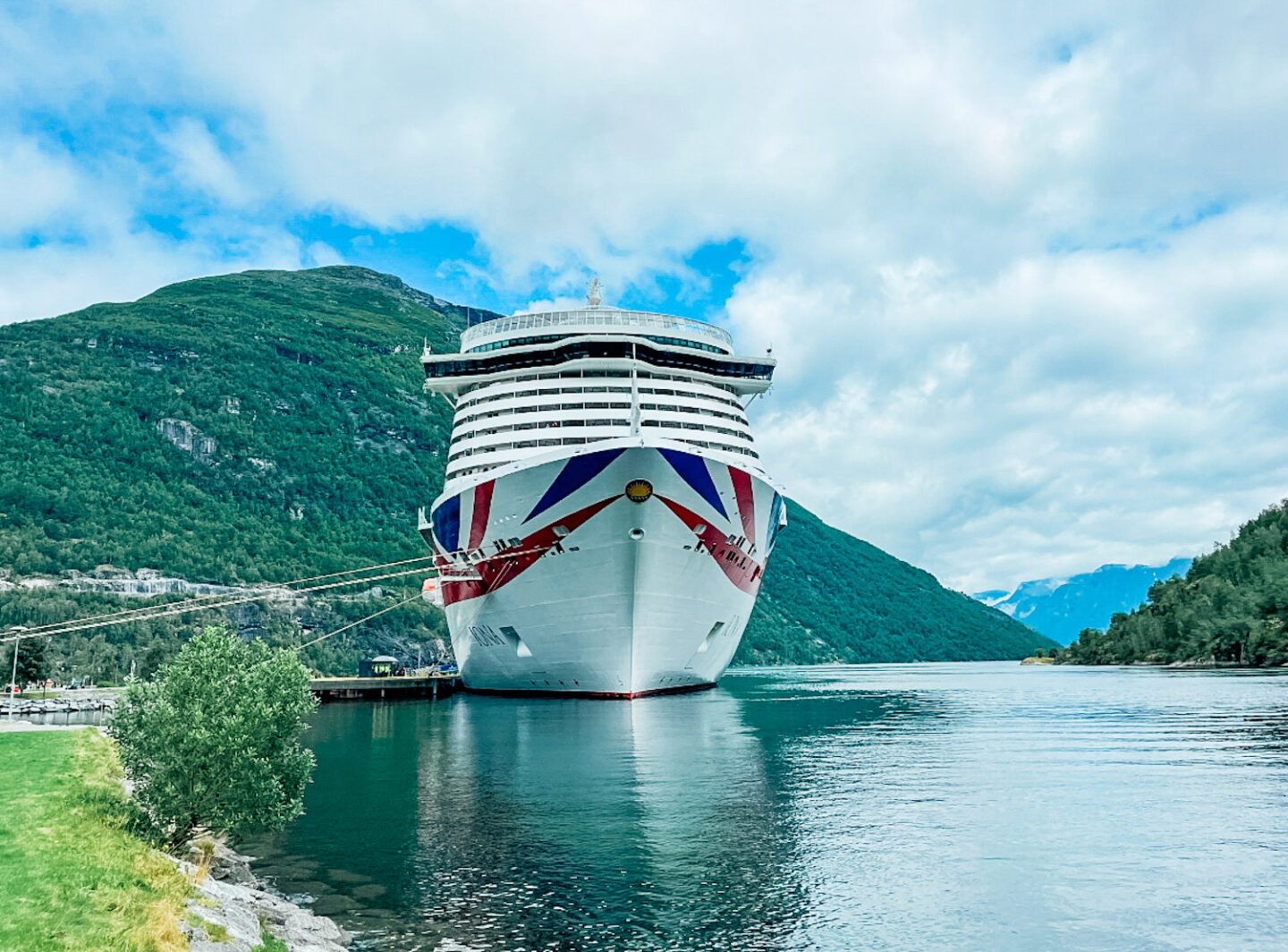
Today, P&O Cruises operates a modern fleet that includes ships such as Britannia, Iona and Arvia. These vessels combine contemporary features with traditional touches, offering everything from black-tie nights to British classics on the menu. The line sails to destinations around the world, from the Caribbean and Mediterranean to Northern Europe, and remains a firm favourite for UK holidaymakers looking for a home-from-home at sea.
A Legacy That Shaped Modern Cruising
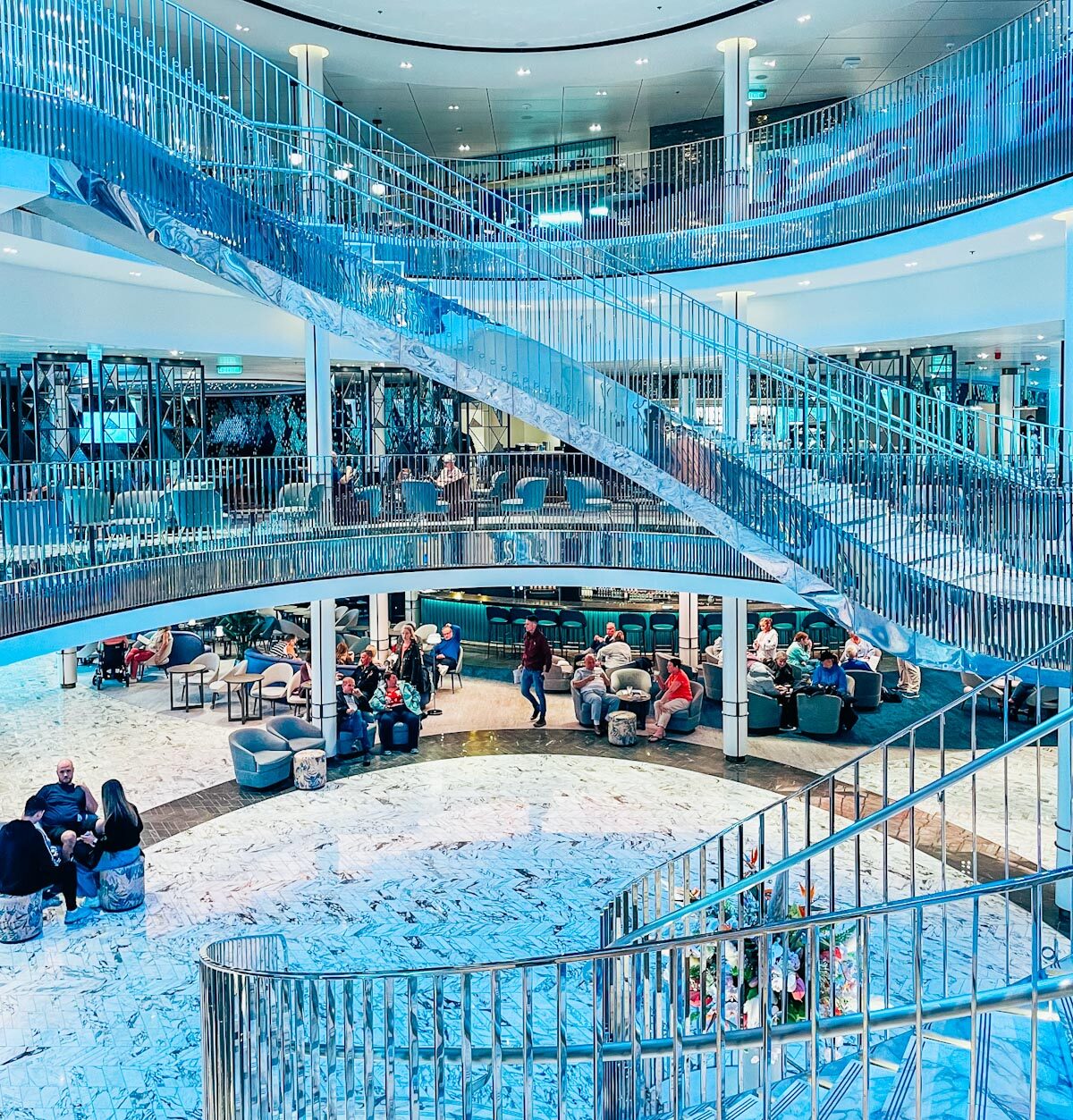
From delivering letters across the Iberian Peninsula to launching some of Europe’s most advanced cruise ships, P&O Cruises’ history spans nearly two centuries of innovation, adaptation and excellence.
It has weathered wars, technological revolutions and changing travel trends, each time evolving to meet the needs of a new generation. When you step aboard a P&O ship today, you’re not just embarking on a holiday, you’re taking part in a legacy that helped create the modern cruise industry itself.
