
Barcelona is famous for its beaches, Gaudí’s architecture, and vibrant nightlife, but this Catalan city has a rich and fascinating history that many visitors overlook. From Roman origins to medieval secrets and modern revolutions, here are some historic facts about Barcelona you probably didn’t know.
1. Barcelona Was Founded by the Romans
AD We have been or could be if you click on a link in this post compensated via a cash payment, gift or something else of value for writing this post. See our full disclosure policy and privacy policy for more details.
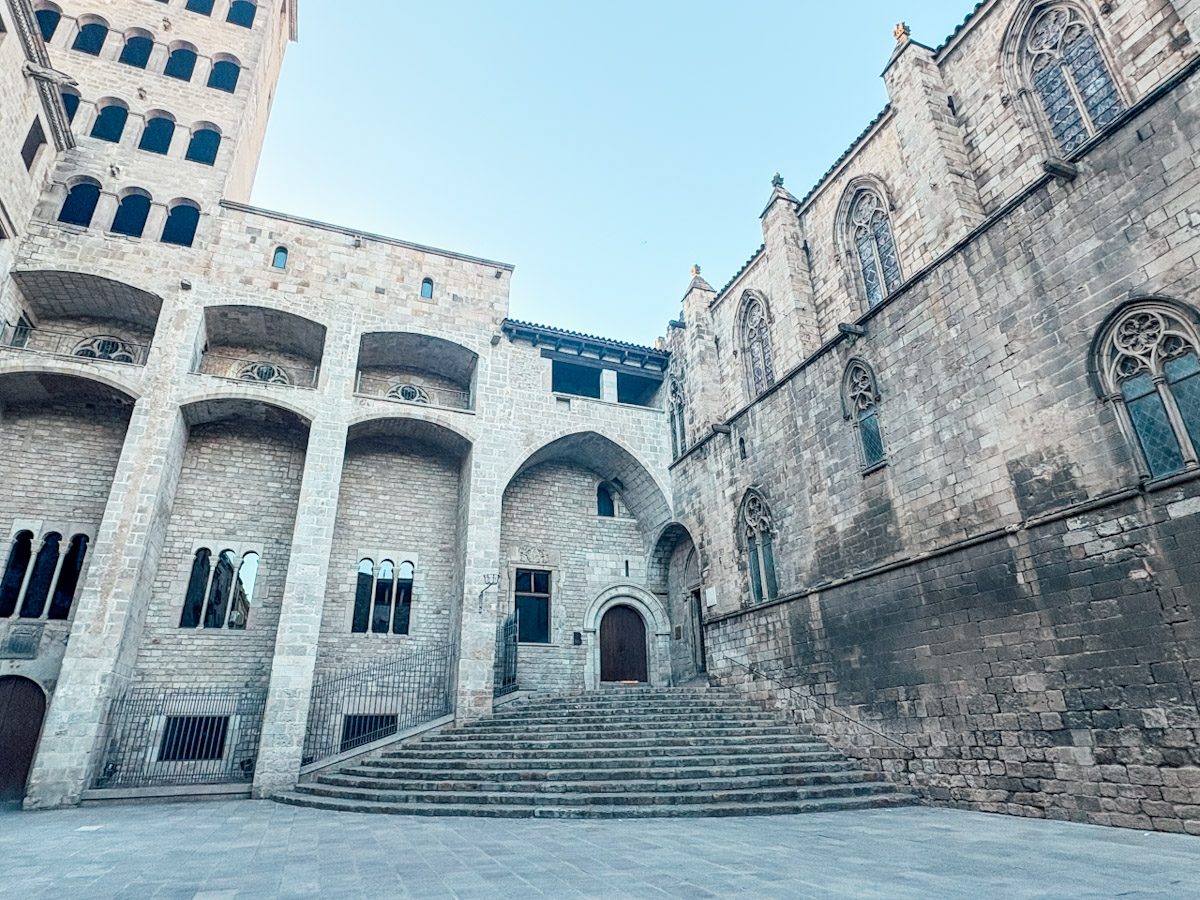
Barcelona began as a Roman settlement called Barcino around 15 BC. You can still see remnants of the Roman walls in the Gothic Quarter, where narrow streets wind past ancient ruins. Fun fact: Some of the original Roman columns are incorporated into modern buildings, blending past and present.
2. The Gothic Quarter Hides a Dark Past
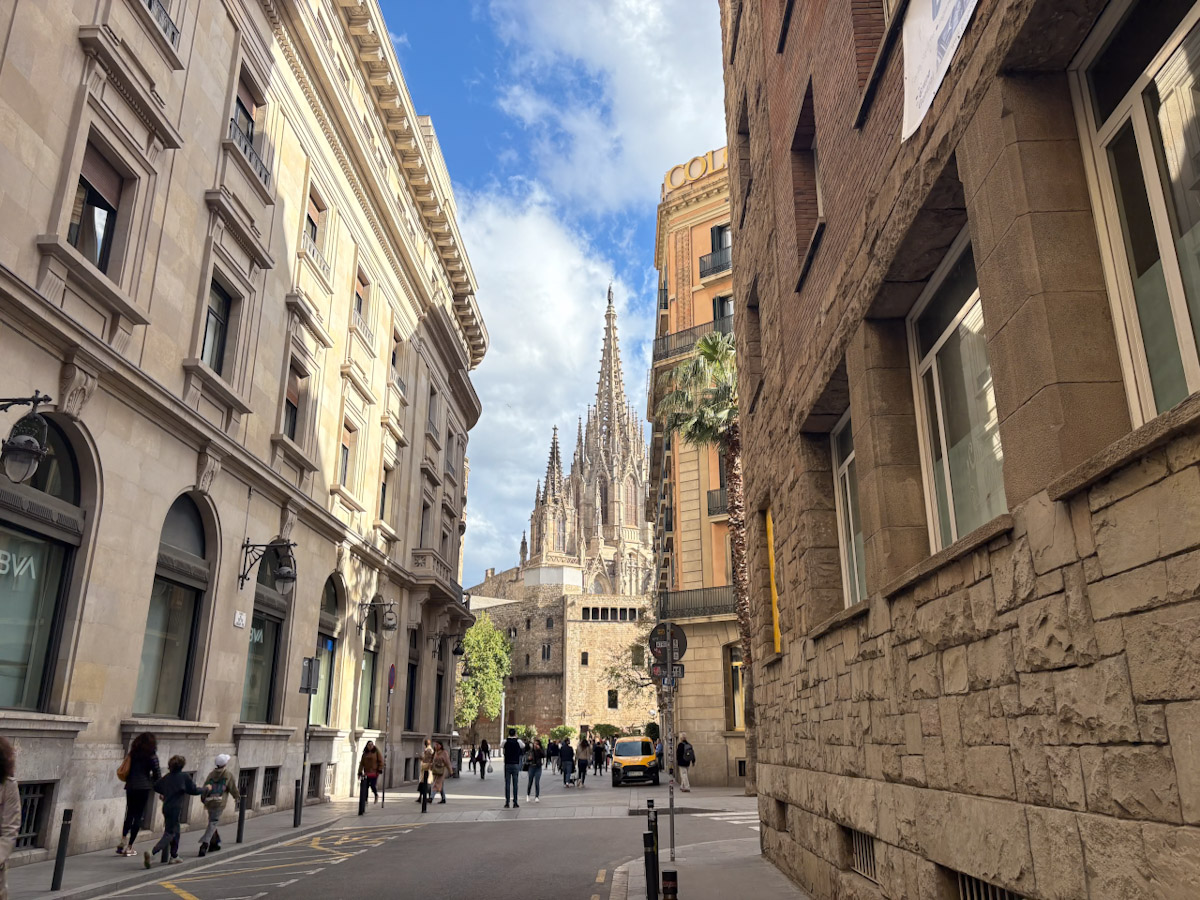
The Gothic Quarter isn’t just beautiful; it also holds secrets from Barcelona’s darker days. Beneath the charming streets, there are remnants of medieval prisons and alleys once used for public punishments. Many buildings still feature Gothic details from the 14th and 15th centuries.
3. The City Survived Bombings in the Spanish Civil War
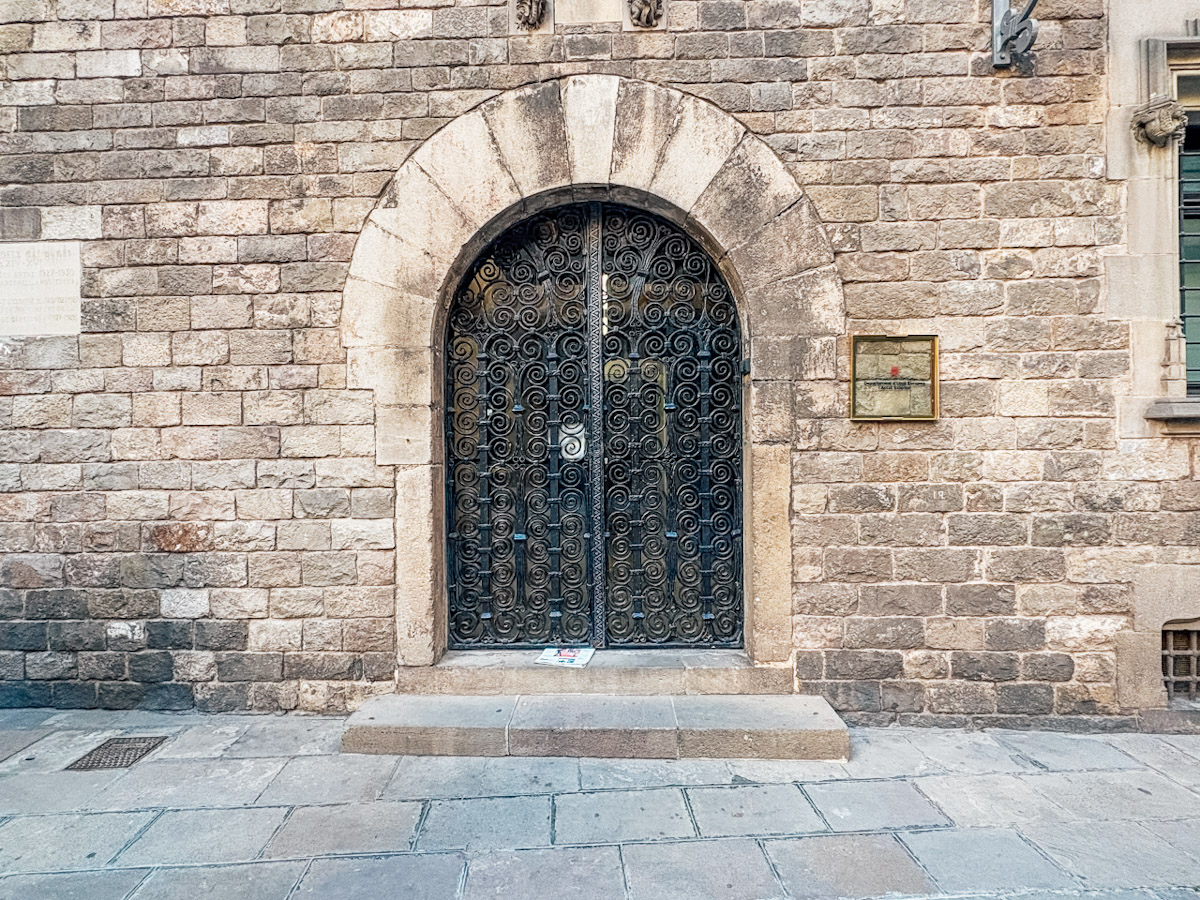
During the Spanish Civil War (1936–1939), Barcelona was heavily bombed by Franco’s forces. Many historic buildings were damaged, but the city’s resilience allowed it to rebuild and preserve its unique character. Today, plaques in certain areas commemorate these events, reminding visitors of the city’s turbulent past.
4. Las Ramblas Was Once a Riverbed

Barcelona’s most famous promenade, Las Ramblas, was originally a dry riverbed. In the 18th century, it was transformed into a bustling street market and gathering place. Today, it’s lined with cafés, street performers, and shops, but its origins as a river remind visitors of the city’s evolving landscape.
5. The Cathedral of Barcelona Took Centuries to Build
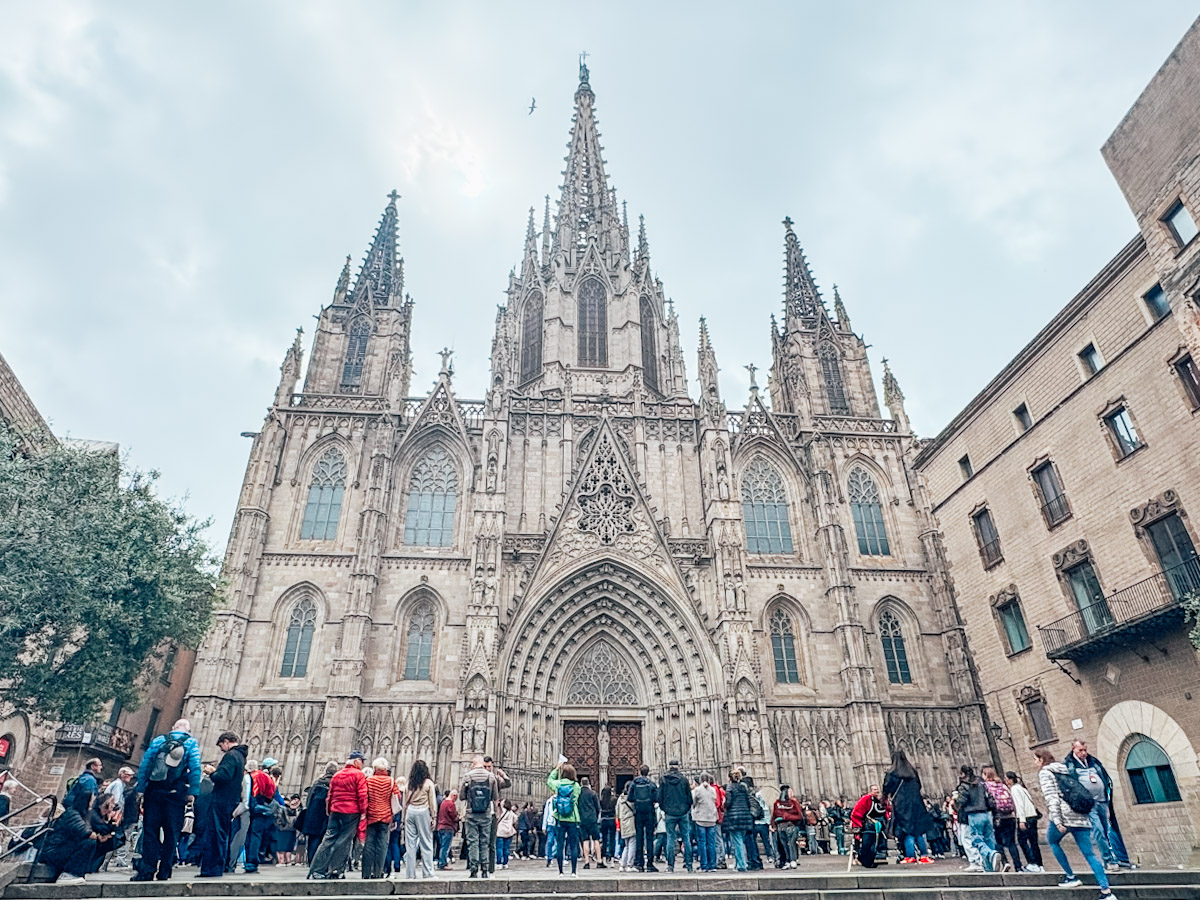
The Barcelona Cathedral in the Gothic Quarter took nearly 150 years to complete, from the 13th to the 15th centuries. Its intricate facade, spires, and gargoyles reflect the city’s dedication to craftsmanship and religious devotion over generations.
6. Barcelona Hosted the 1992 Summer Olympics
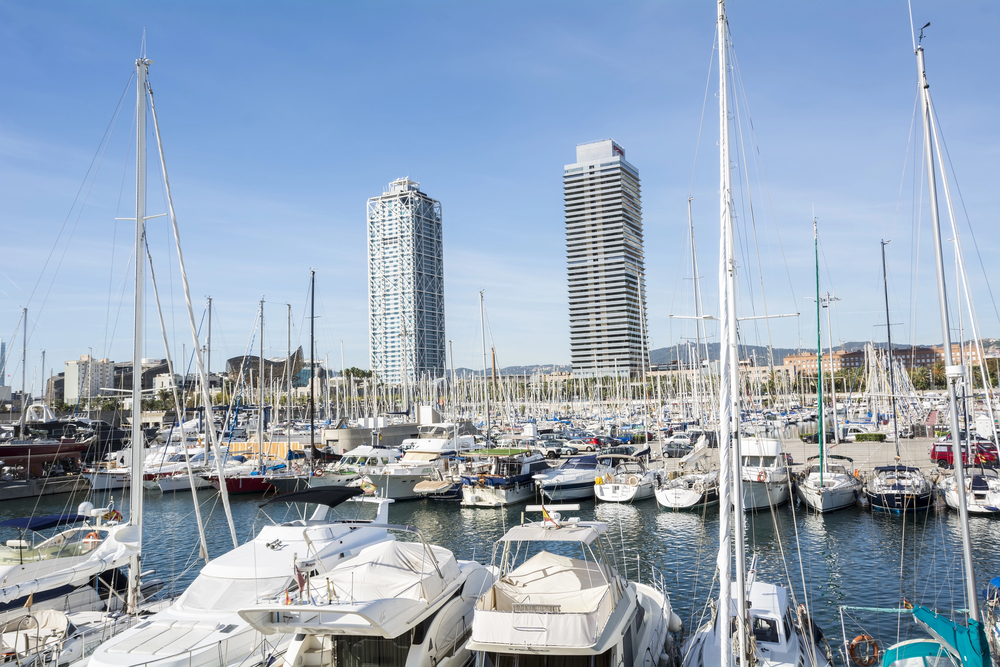
The 1992 Olympics transformed Barcelona, modernising infrastructure and reviving public spaces. The event helped the city gain international recognition, boosting tourism and cultural development. Fun fact: The Olympic Village and Port Olímpic areas were built from scratch, completely reshaping the coastline.
7. Catalonia’s Struggle for Independence Runs Deep
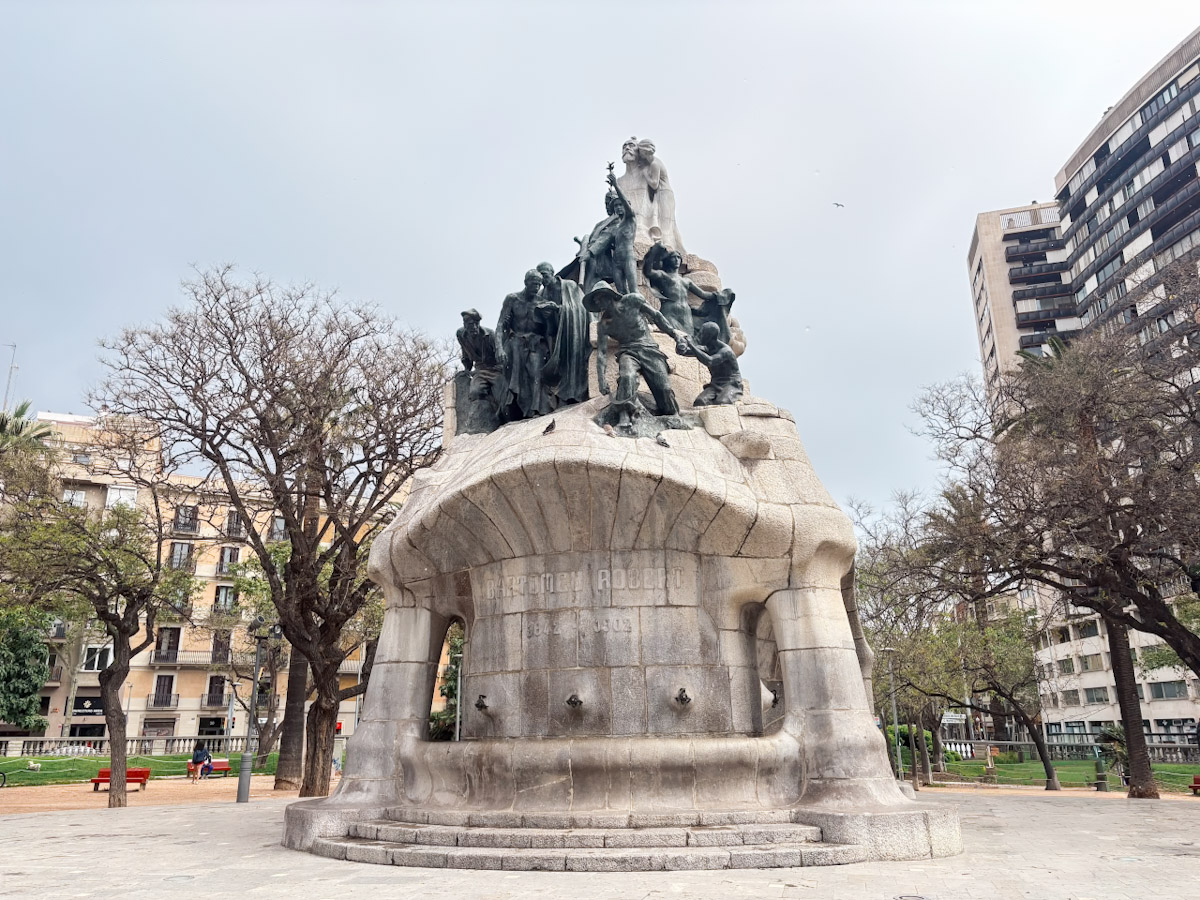
Barcelona is the capital of Catalonia, a region with its own language, culture, and history of independence movements. Historic buildings and monuments often reflect Catalan pride, and you’ll see flags and symbols celebrating the region’s identity throughout the city.
8. The City Is Home to Hidden Roman and Medieval Streets
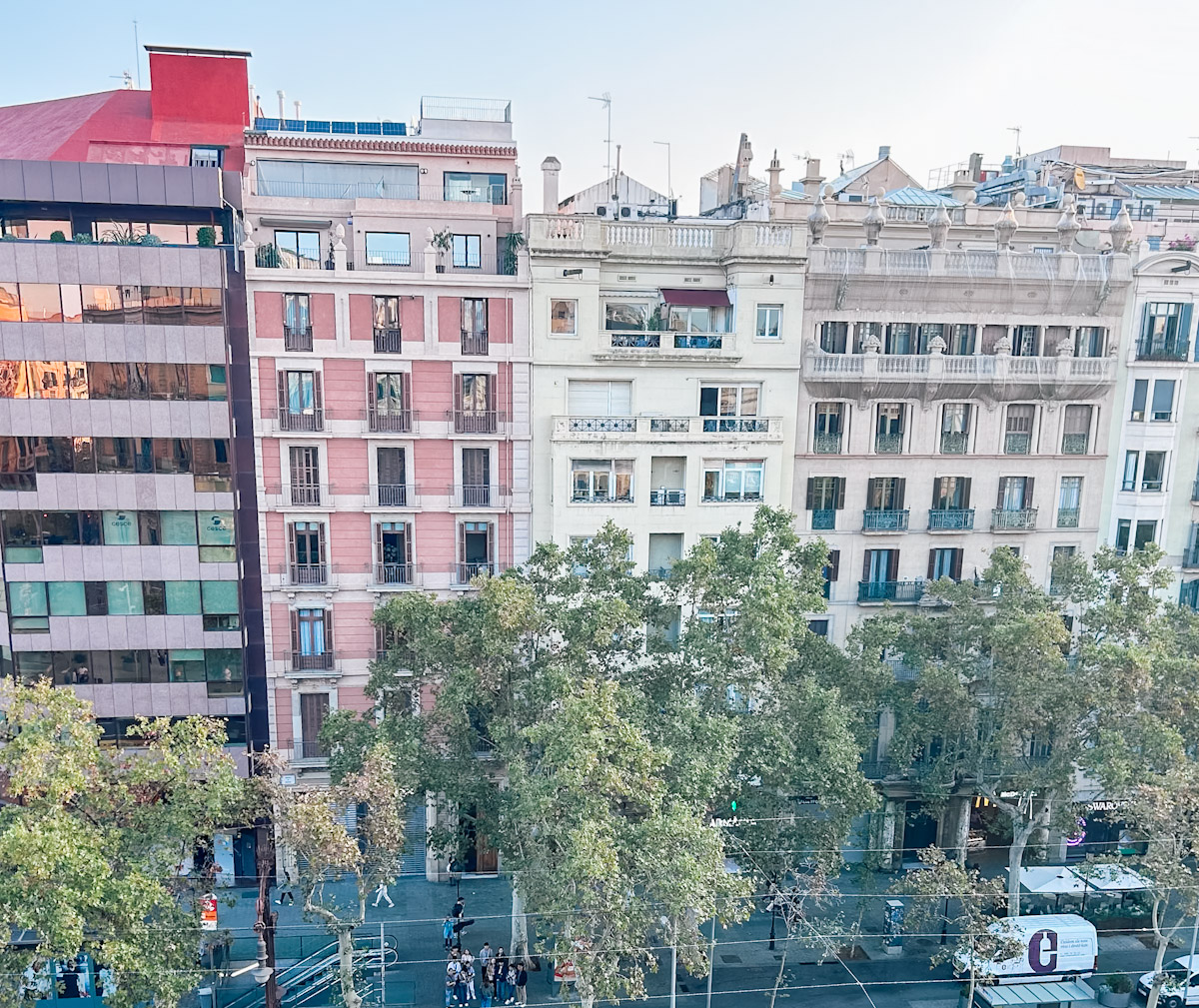
Beyond the main tourist areas, narrow streets in the Gothic Quarter and El Born district reveal Barcelona’s layered history. Archaeological sites, hidden squares, and centuries-old fountains tell stories of a city that has evolved over thousands of years.
9. Barcelona Survived a Medieval Siege
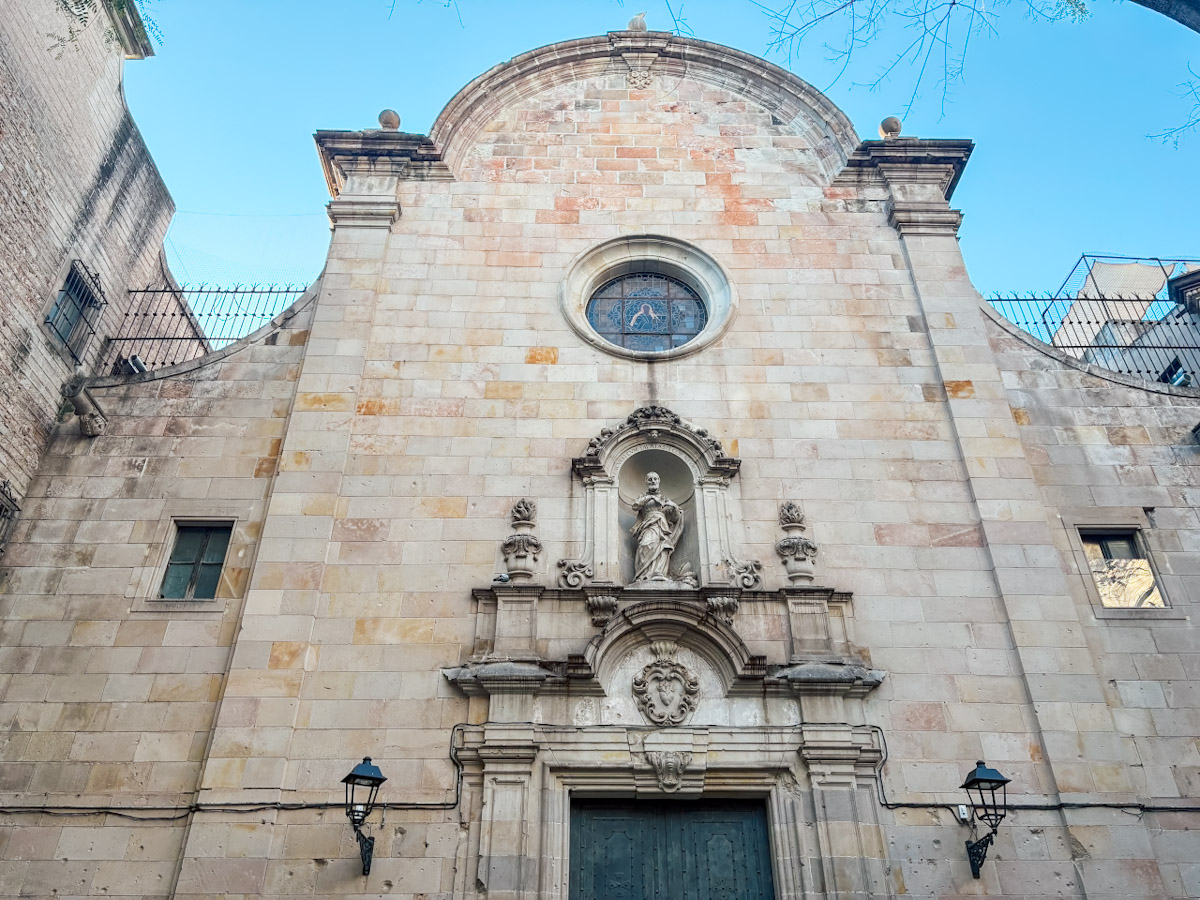
In 1714, Barcelona fell to the forces of Philip V during the War of Spanish Succession after a 14-month siege. The city’s resistance is remembered every year on September 11, Catalonia’s National Day (La Diada), a day of pride and reflection.
10. Barcelona’s Markets Have Centuries of History
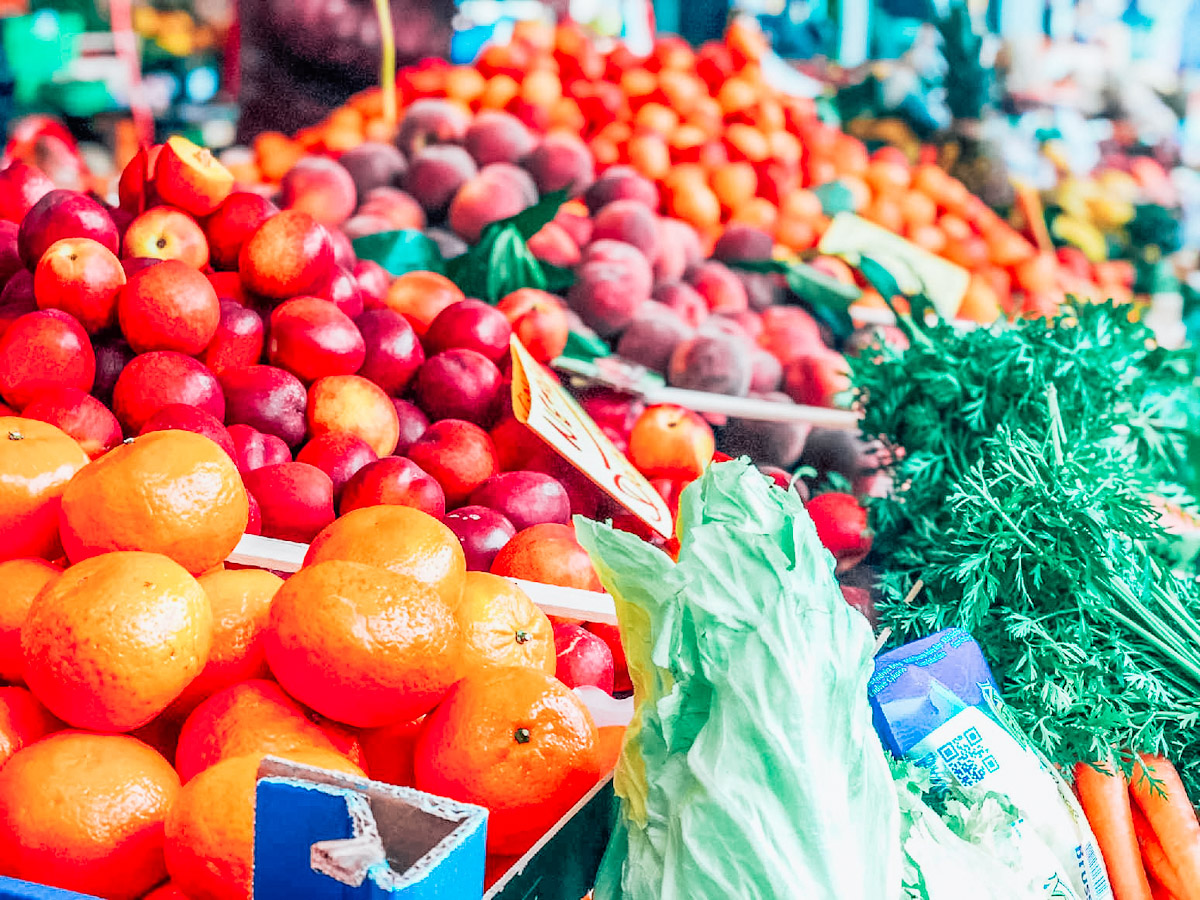
Famous markets like Mercat de Sant Josep de la Boqueria have existed in some form for over 800 years. Originally small stalls selling food along Las Ramblas, these markets evolved into vibrant hubs of local culture and gastronomy.
Barcelona: A City with Layers of History
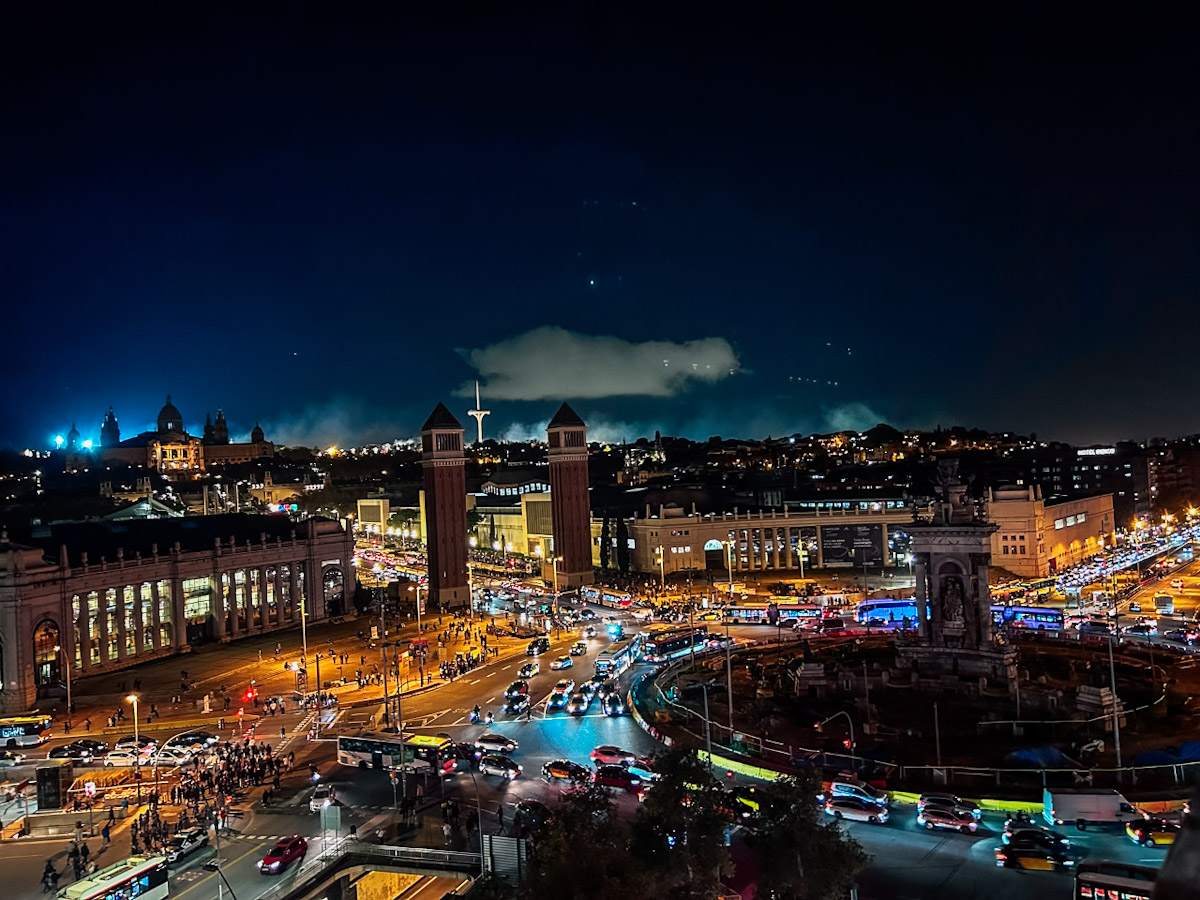
Barcelona isn’t just a modern tourist hotspot; it’s a city with deep roots and stories waiting to be uncovered. From Roman foundations to Gothic architecture and revolutionary history, every street, square, and building has a tale to tell. Exploring the city with this historical lens makes every visit richer and more meaningful.
