
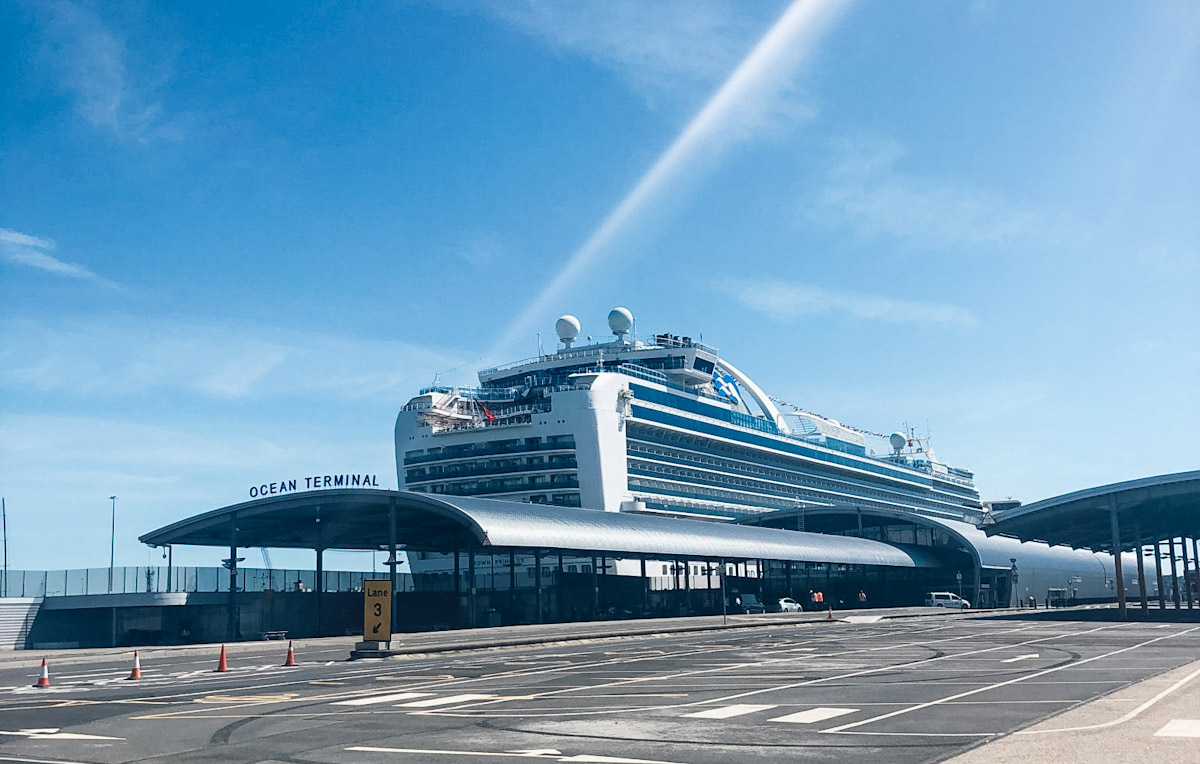
If you’re planning a cruise from the UK, there’s a good chance your journey will begin in Southampton, Britain’s busiest cruise port. But this isn’t just a gateway to the seas, it’s a port steeped in maritime history, blending centuries of tradition with the modern comforts and excitement of today’s cruise industry.
A Historic Gateway
AD We have been or could be if you click on a link in this post compensated via a cash payment, gift or something else of value for writing this post. See our full disclosure policy and privacy policy for more details.
Southampton’s story as a passenger port stretches back to the early 19th century, when it became a key departure point for transatlantic ocean liners, connecting the UK to North America. The city gained international fame in 1912 when the RMS Titanic left Southampton on its maiden voyage, cementing the port’s place in maritime history.
Southampton Cruise Port: A Timeline of Key Moments
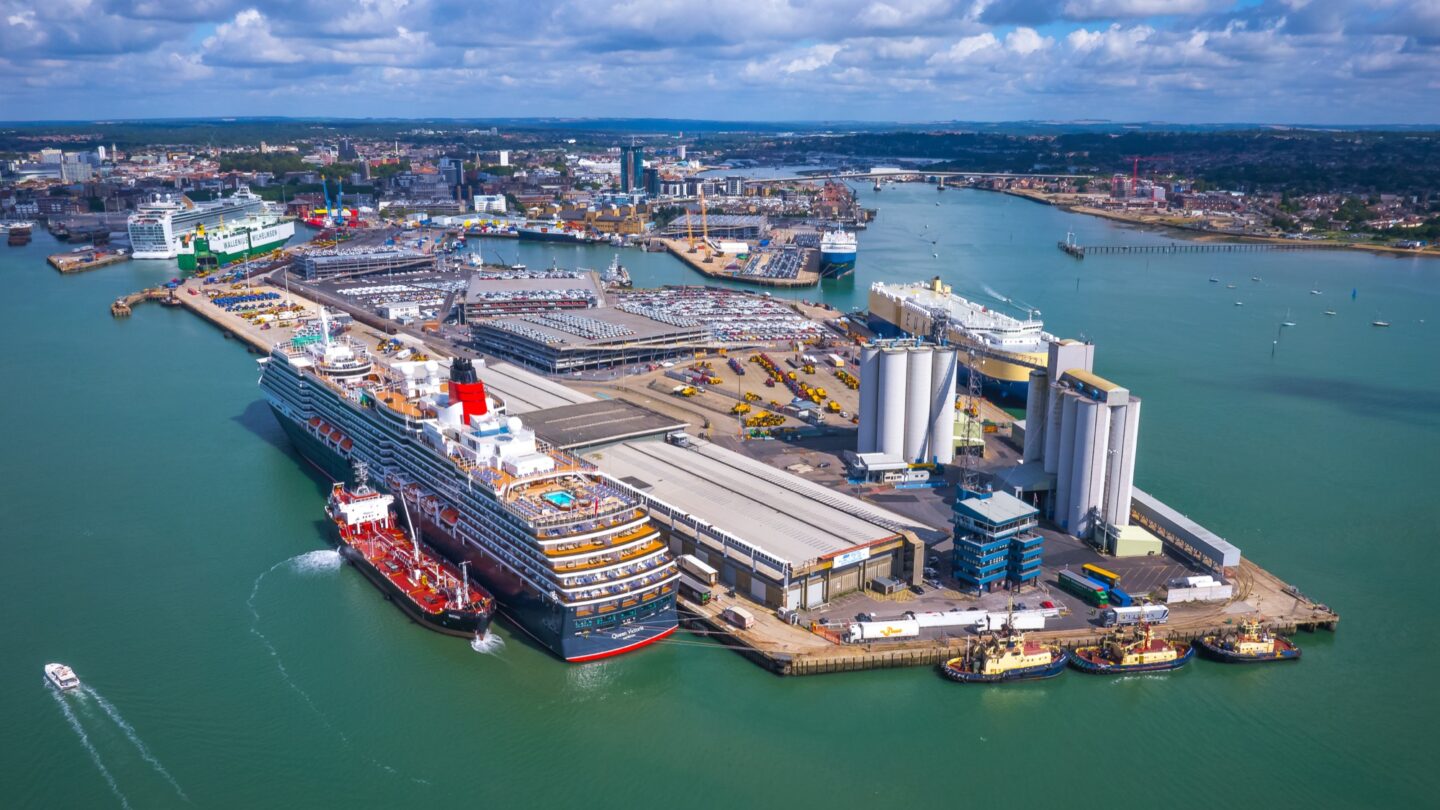
After World War II, Southampton began to pivot from cargo and naval shipping toward leisure cruising, responding to the growing popularity of holiday cruises. By the 1960s and 70s, the port had developed modern facilities capable of handling larger passenger ships, setting the stage for the boom of today’s cruise industry.
1800s, Birth of a Passenger Port

In the 1800s, Southampton began its journey as a major passenger port, becoming a key departure point for transatlantic ocean liners. Its sheltered harbour and strategic location made it an ideal gateway for ships crossing to North America and beyond.
These early voyages laid the foundations for modern cruising, establishing Southampton as a place where long-distance sea travel began and where thousands of travellers first set off to explore the wider world.
1912, The Titanic Legacy Begins
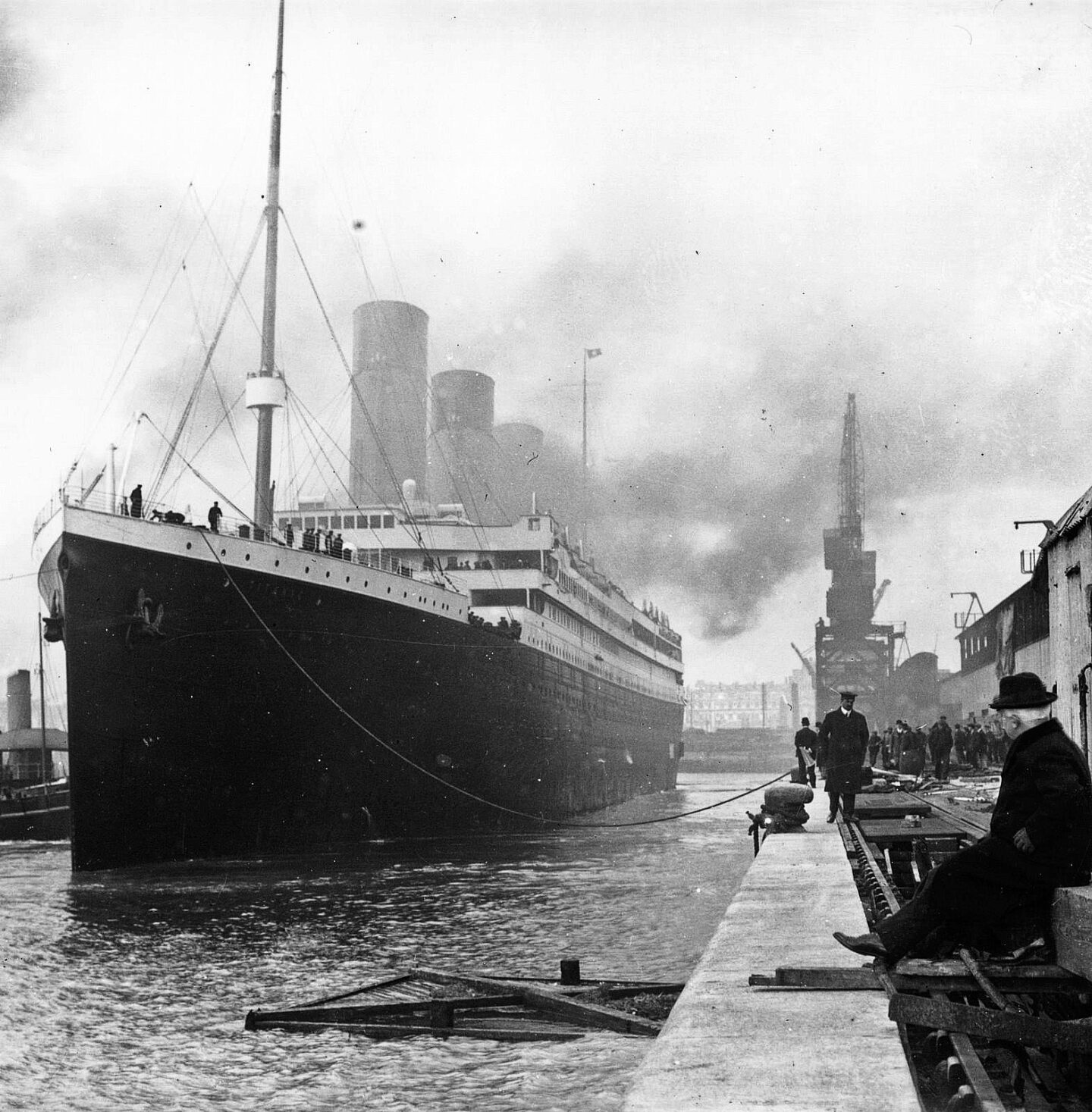
In 1912, Southampton became forever linked with maritime history when the RMS Titanic departed on her maiden voyage. The ship’s tragic story brought the port worldwide attention, placing it firmly in the public imagination.
Many of the crew and passengers had local ties, and the event remains a significant part of the city’s heritage. From that moment on, Southampton was known not only as a working port but also as a place deeply connected to one of the most famous voyages in history.
Post-WWII, Cruising Becomes a Holiday
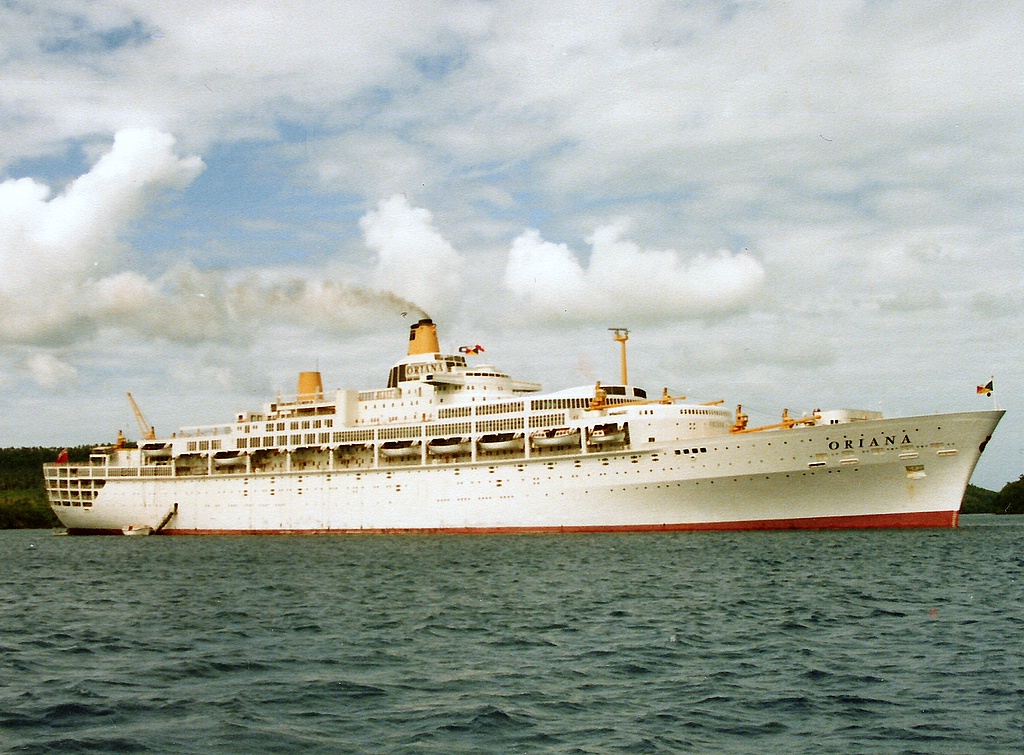
After the Second World War, Southampton shifted away from its focus on cargo and naval operations toward serving passenger ships and leisure travel. As cruising emerged as an enjoyable holiday option rather than merely a means of transport, ports adapted to meet holidaymakers’ needs.
Terminals were upgraded, passenger facilities improved and services streamlined, helping to create a more relaxed and welcoming start to a cruise. This period marked the beginning of Southampton’s evolution into the modern leisure cruise port it is known as today.
1960s–1970s, Modern Facilities Arrive
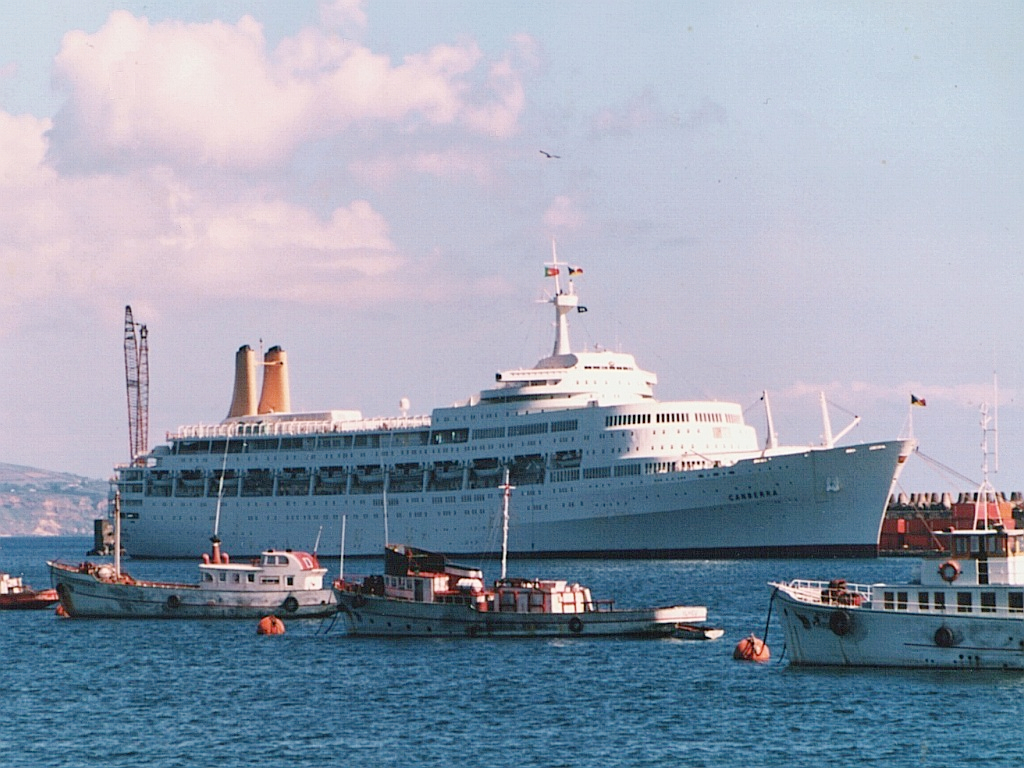
During the 1960s and 1970s, Southampton began transforming from a traditional passenger port into a modern cruise hub. Purpose-built terminals were introduced to handle the new generation of larger ships, bringing wider berths, upgraded baggage halls and more efficient passenger check-in areas.
At the same time, cruise holidays were becoming increasingly popular, shifting from a luxury reserved for the few to a mainstream way to travel. These upgrades marked the beginning of Southampton’s evolution into the modern, cruise-focused port we recognise today.
1990s–2000s, Expanding Homeport Role
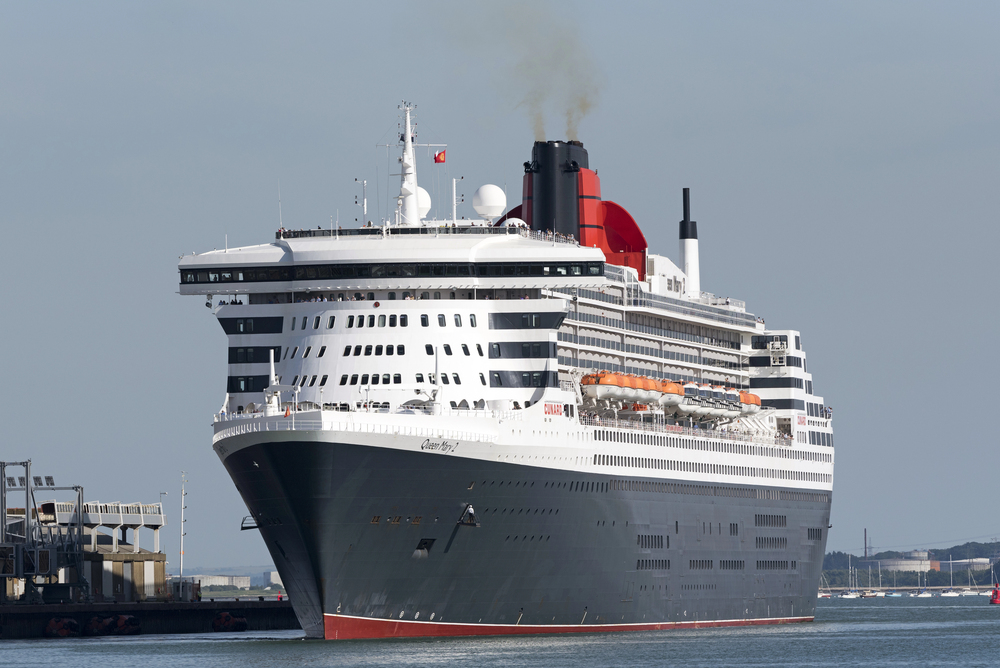
In the 1990s and 2000s, Southampton firmly established itself as one of the world’s leading homeports. Major cruise lines such as P&O Cruises, Cunard and later MSC chose the city as a primary base, bringing regular sailings and year-round activity to the docks.
To support this growing role, the port continued to expand and modernise its facilities, adding terminals capable of accommodating mega-ships and luxury liners. This era cemented Southampton’s reputation as a gateway to global cruising, with ships and passengers flowing through the port in ever-increasing numbers.
2010s–Present, Europe’s Leading Cruise Port

From the 2010s to today, Southampton has grown into one of Europe’s leading cruise ports, handling around 3 million passengers each year. Its modern terminals, efficient transport links and close proximity to London have helped it become the busiest cruise hub in the UK and a key gateway for international travel.
The port welcomes an impressive range of sailings, from short European getaways to grand transatlantic voyages, making it a starting point for holidays of every style and scale.
Modern Southampton: Why It Stands Out

Southampton isn’t just a busy port; it’s a significant gateway for cruisers across the UK and beyond. Its role in global sea travel has shaped both maritime history and the modern cruise experience, making it one of the most recognisable departure points in the world. Today, it continues to stand out for several key reasons:
- Historic Significance: Titanic and centuries of transatlantic travel
- Capacity for Mega-Ships: Modern terminals accommodate some of the world’s largest cruise vessels
- Convenience: Excellent transport links to London and other UK cities
- Variety: Serves multiple cruise lines, itineraries, and passenger types
- Passenger-Friendly: Smooth embarkation and disembarkation with modern amenities
Key Facts

- Passengers/year: 3 million
- Major Cruise Lines: P&O Cruises, Cunard, MSC, Royal Caribbean
- Historic Milestone: RMS Titanic maiden voyage
- UK Market Share: Handles a significant proportion (85% in some years) of UK cruise traffic
- Transport Links: Easy access to London and other UK cities
Southampton Is More Than Just A Departure Point
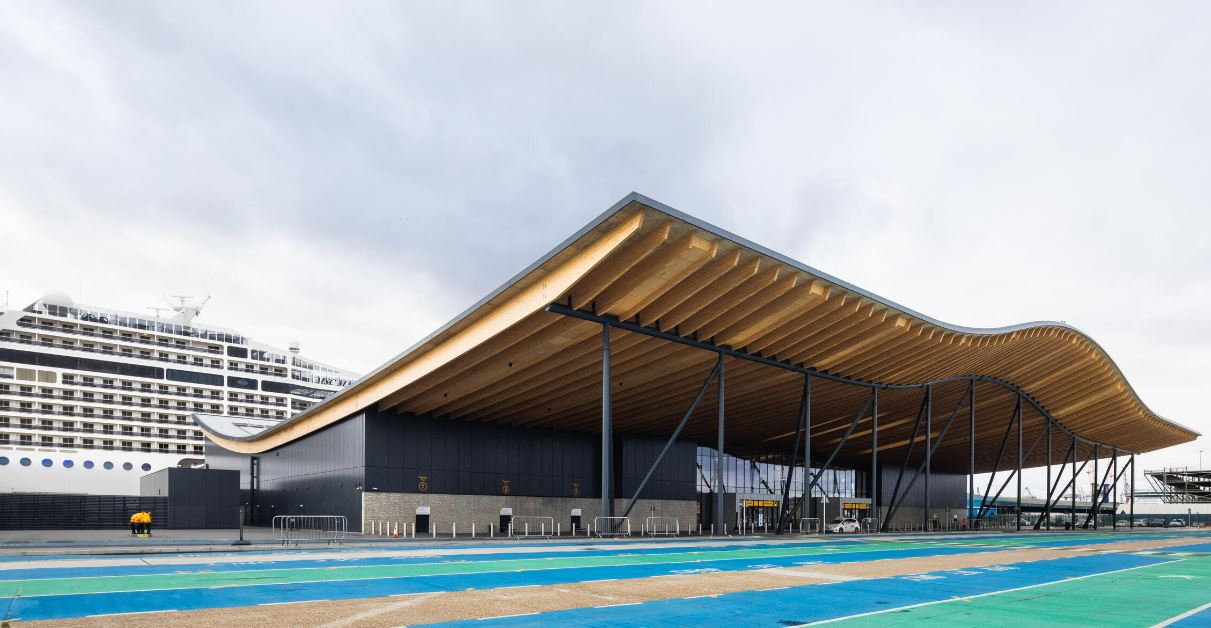
With a rich maritime history, state-of-the-art terminals, and the ability to host some of the world’s largest cruise ships, it continues to set the standard for UK and European cruising. Whether you’re boarding your first cruise or returning for another adventure, Southampton offers a perfect blend of history, convenience, and excitement, making it the ideal gateway to the seas.

