
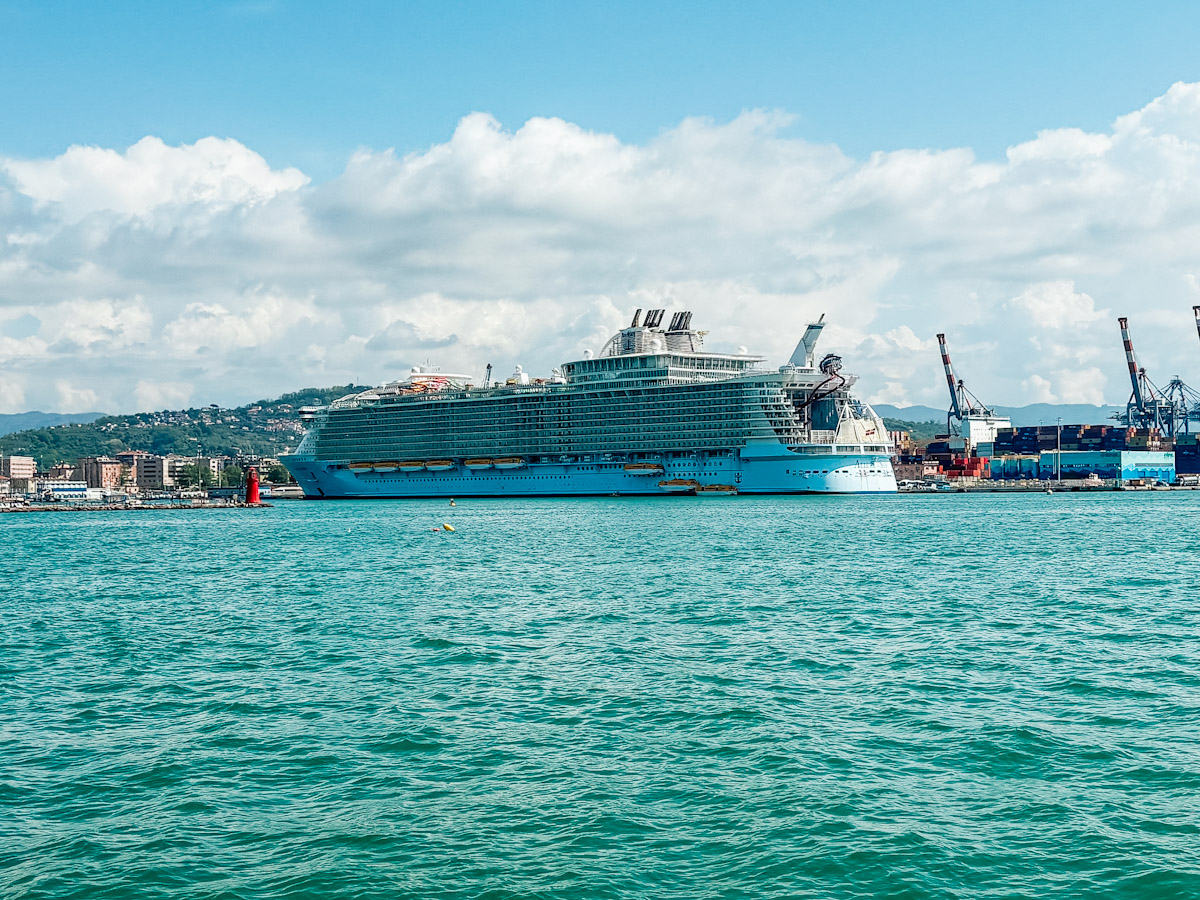
Cruise ships, often seen as floating cities of luxury and convenience, have become a staple of modern tourism. They promise passengers a unique way to explore multiple destinations while enjoying onboard amenities. However, the growing size and number of these vessels have led to significant environmental and social challenges for many destinations. Around the world, a rising tide of opposition is emerging as countries and regions grapple with the negative impacts of cruise tourism.
Countries Saying No to Cruise Ships
AD We have been or could be if you click on a link in this post compensated via a cash payment, gift or something else of value for writing this post. See our full disclosure policy and privacy policy for more details.
From Venice’s fragile canals to the pristine ecosystems of the Galápagos Islands, various locations are taking a stand against the influx of cruise ships. Their concerns range from environmental degradation and pollution to the strain on local infrastructures and cultural sites.
Today, we examine the reasons behind this opposition, highlighting the efforts of different regions to preserve their natural beauty, cultural heritage, and quality of life by regulating or outright banning cruise ships. As we explore these destinations, we gain insight into the broader implications of mass tourism and the importance of sustainable travel practices.
1. Venice, Italy
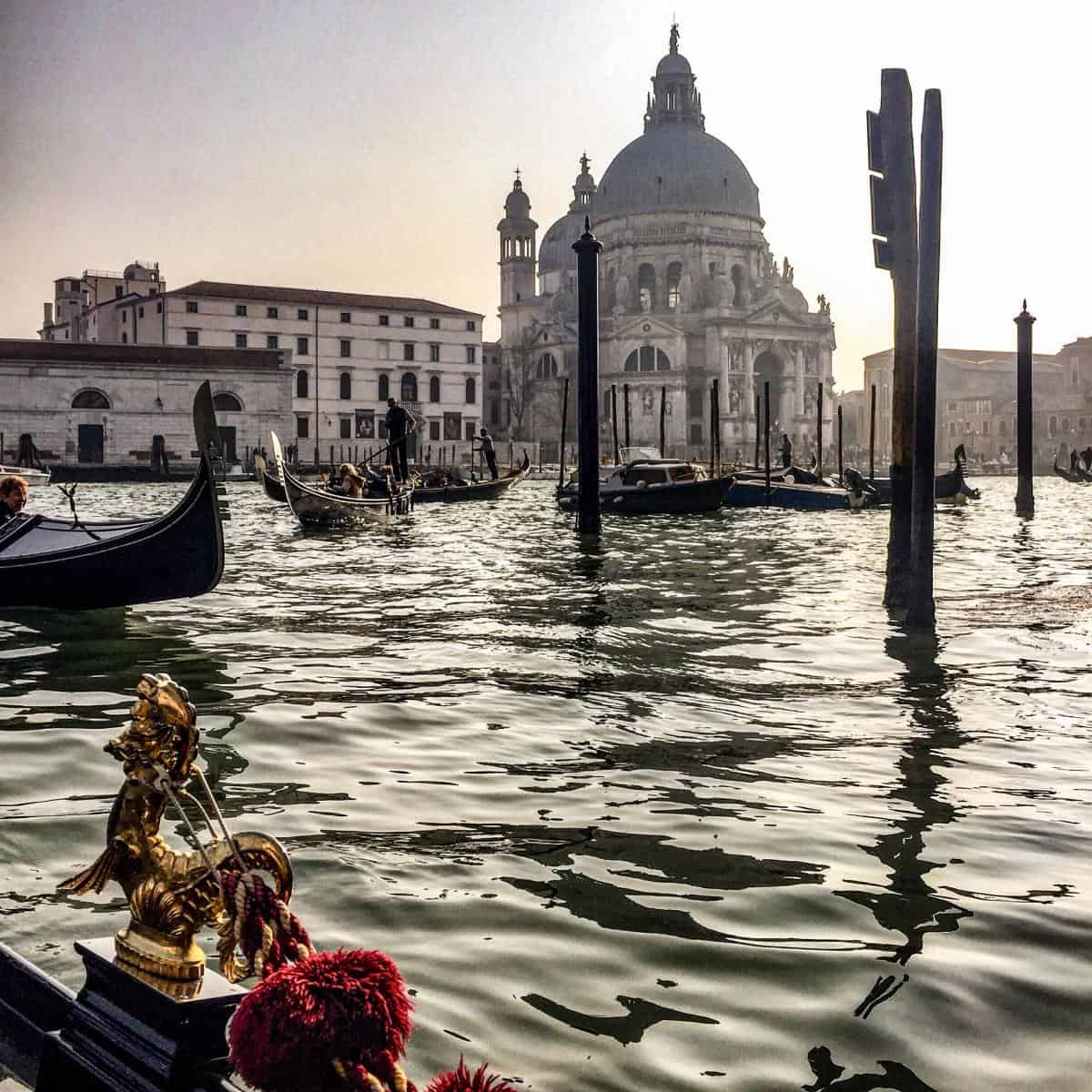
Venice has faced significant issues with cruise ships, leading to damage to its delicate canals and historic buildings. The government implemented measures that vessels weighing more than 25,000 tonnes would be barred from the lagoon from 1 August 2021 and redirected to the nearby industrial port of Marghera.
2. Santorini, Greece

The small island of Santorini has struggled with overtourism, particularly from cruise ship passengers. To manage the influx, local authorities have limited the number of cruise ship arrivals and the number of passengers disembarking each day; however, even with the current restrictions, crowds are unmanageable on some port days.
3. Barcelona, Spain

Barcelona has experienced a surge in tourism, which has caused strain on its infrastructure and local communities. The city has called for stricter regulations on cruise ships, including reducing the number of ships allowed to dock and implementing environmental restrictions.
4. Dubrovnik, Croatia
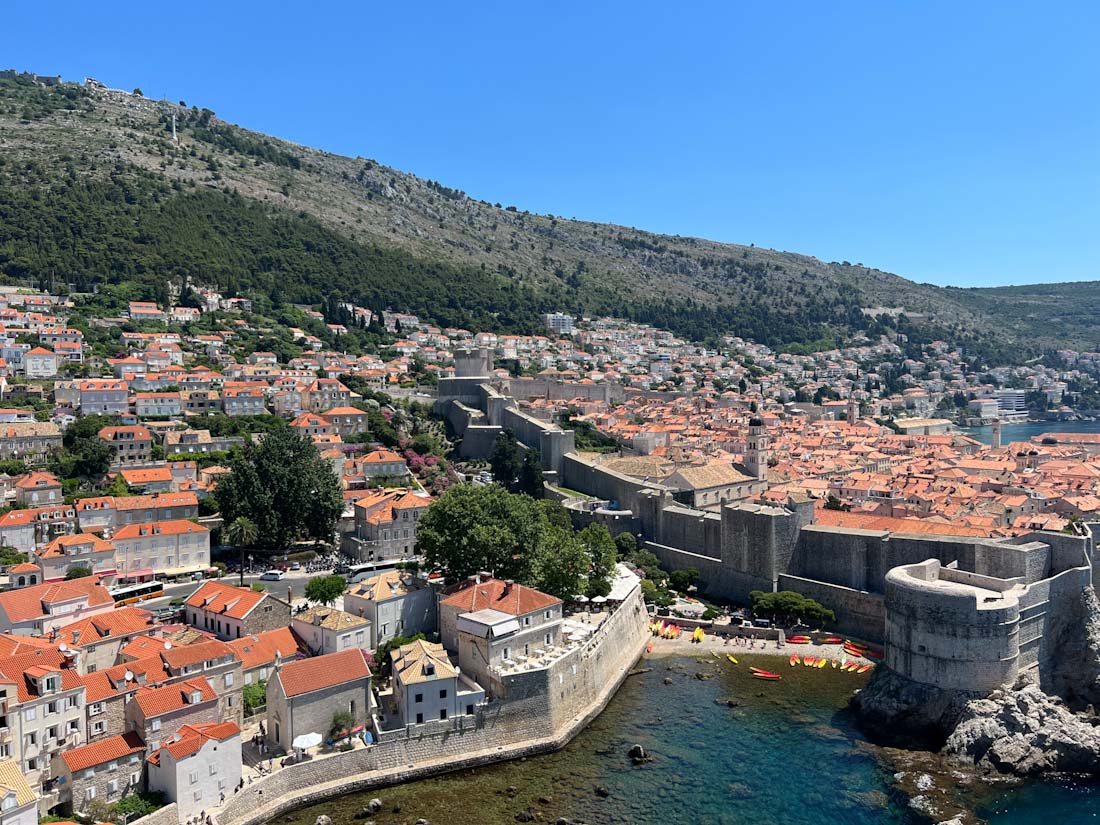
Dubrovnik, known for its medieval architecture and status as a UNESCO World Heritage Site, has seen efforts to limit the number of cruise ships to preserve its historic city. The city has implemented daily caps on cruise ship arrivals and promoted sustainable tourism practices.
5. Key West, Florida, USA
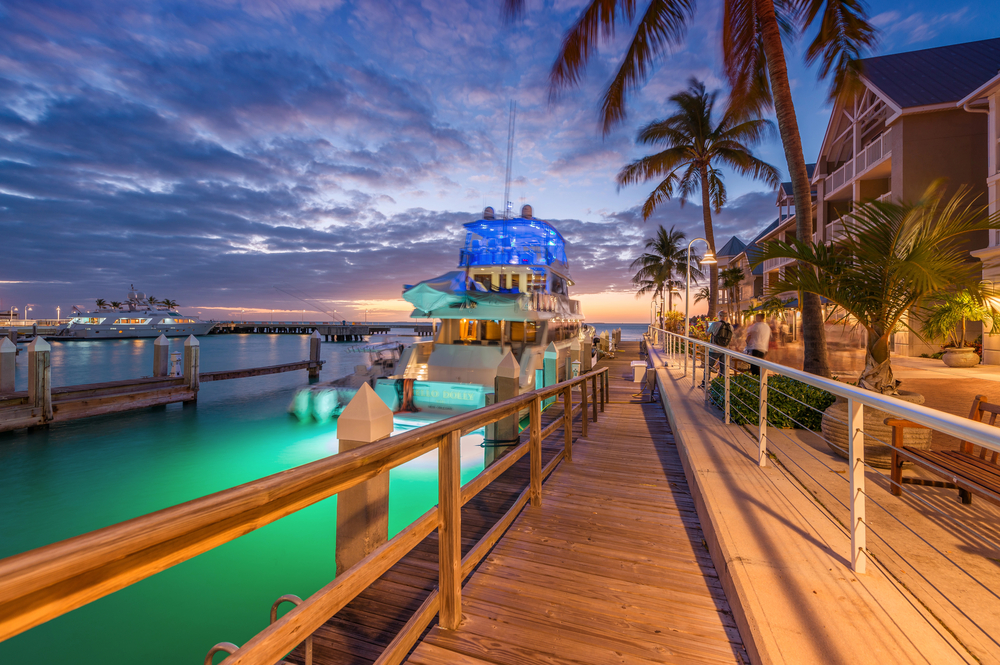
Residents of Key West have voted to restrict the size and number of cruise ships allowed to dock in their port to protect the local environment and quality of life. Measures include limits on ship size and the number of passengers.
6. Palau
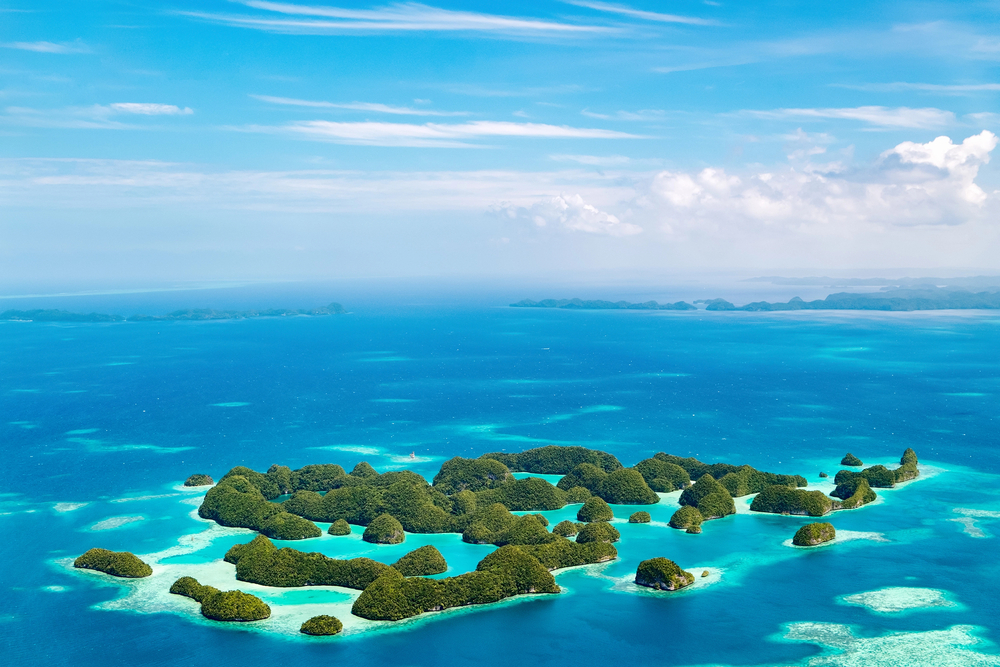
The island nation of Palau has taken a strong stance on environmental preservation by limiting the number of tourists, including those arriving on cruise ships. The government has implemented strict regulations to protect its marine ecosystems and promote sustainable tourism.
7. The Galápagos Islands, Ecuador
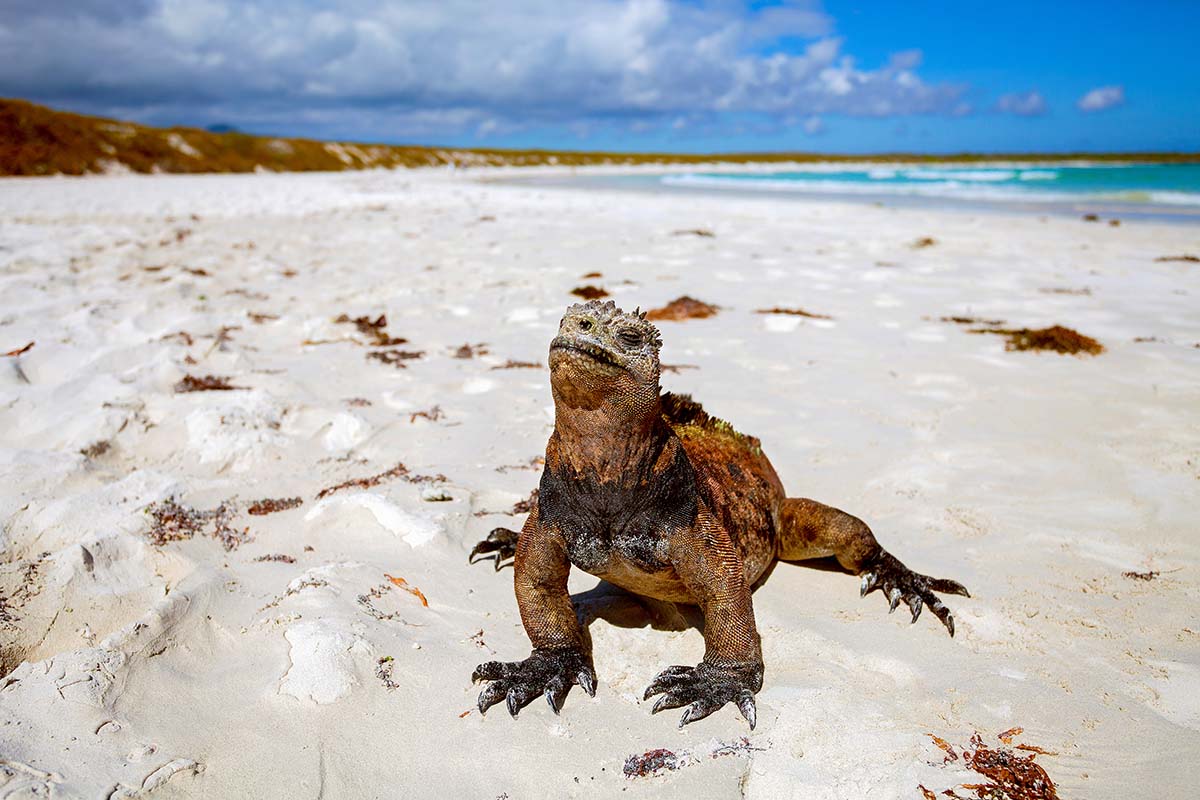
The Galápagos Islands have stringent regulations on tourism to protect their unique and fragile ecosystems. Cruise ships are tightly controlled, with limits on the number of visitors and strict guidelines for environmental conservation.
8. Maya Bay, Thailand
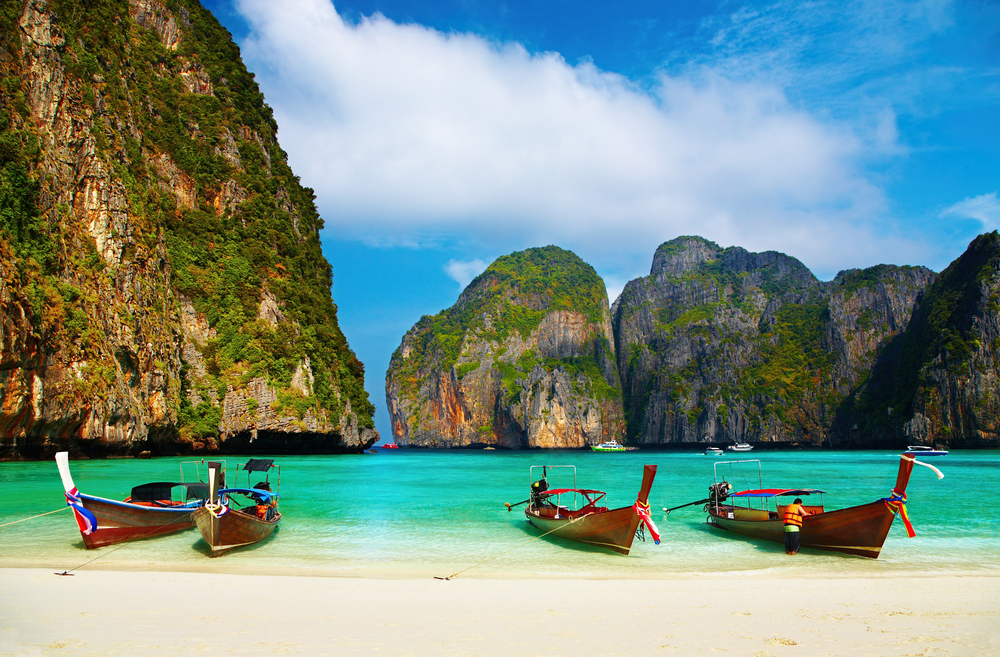
Maya Bay, made famous by the movie “The Beach,” was closed to tourists in 2018 to allow its ecosystem to recover from the damage caused by heavy tourism, including cruise ship visits. While it has reopened with restrictions, cruise ship access remains limited to protect the area.
9. New Zealand
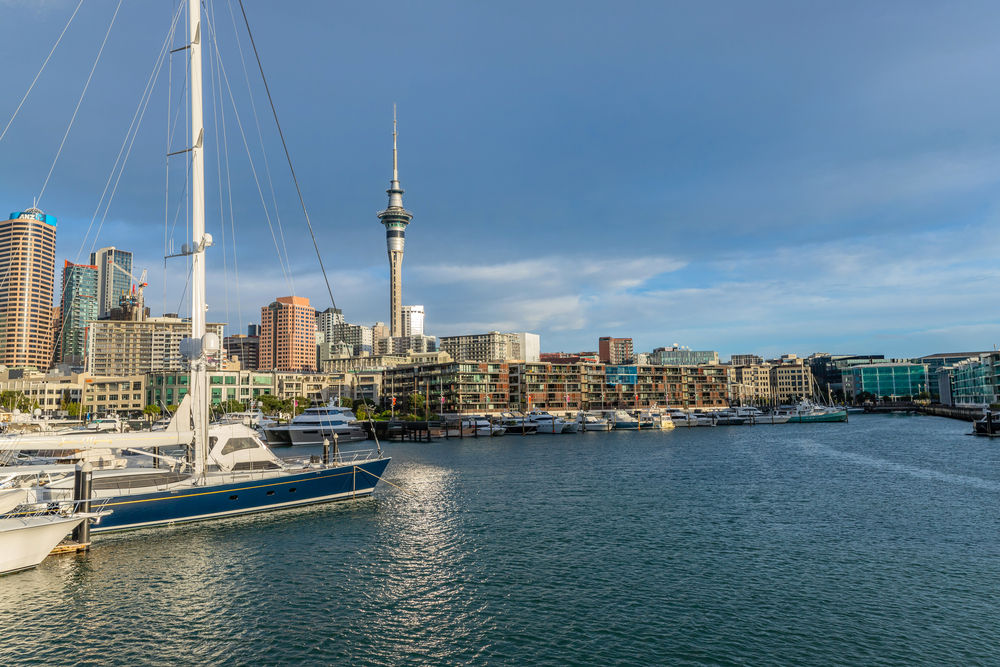
Certain regions in New Zealand, such as the Fiordland National Park, have raised concerns about the environmental biofoul impact of cruise ships. Efforts are underway to regulate and limit cruise ship access to these pristine areas.
10. French Polynesia
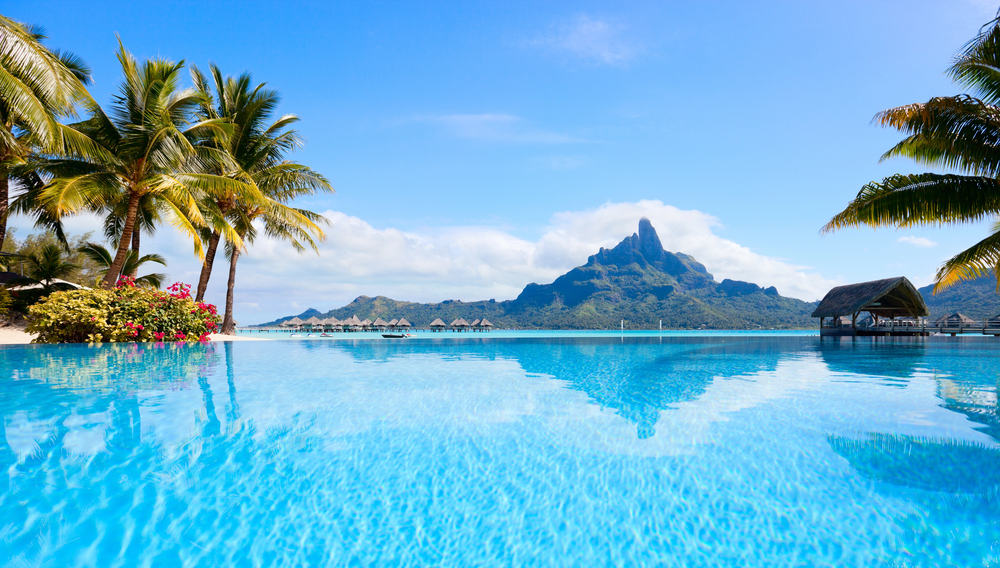
Some islands in French Polynesia have expressed concerns about the environmental impact and cultural disruption caused by cruise ships; many ports have banned larger ships. There are ongoing discussions about limiting the number of cruise ship arrivals to protect the local environment and communities.
The Future of Cruising

The opposition to cruise ships in these regions highlights the growing awareness and concern about the environmental and social impacts of mass tourism. These destinations are taking steps to preserve their natural beauty, cultural heritage, and quality of life for residents, promoting sustainable tourism practices to ensure that they can be enjoyed for generations to come.
