
Mykonos may be famous today for its whitewashed lanes, blue-domed chapels and vibrant nightlife, but the island’s character was shaped by centuries of history. Understanding its past will give you a deeper appreciation for the warmth, pride and resilience of the Mykonian people.
Ancient Beginnings and Mythical Legends
AD We have been or could be if you click on a link in this post compensated via a cash payment, gift or something else of value for writing this post. See our full disclosure policy and privacy policy for more details.
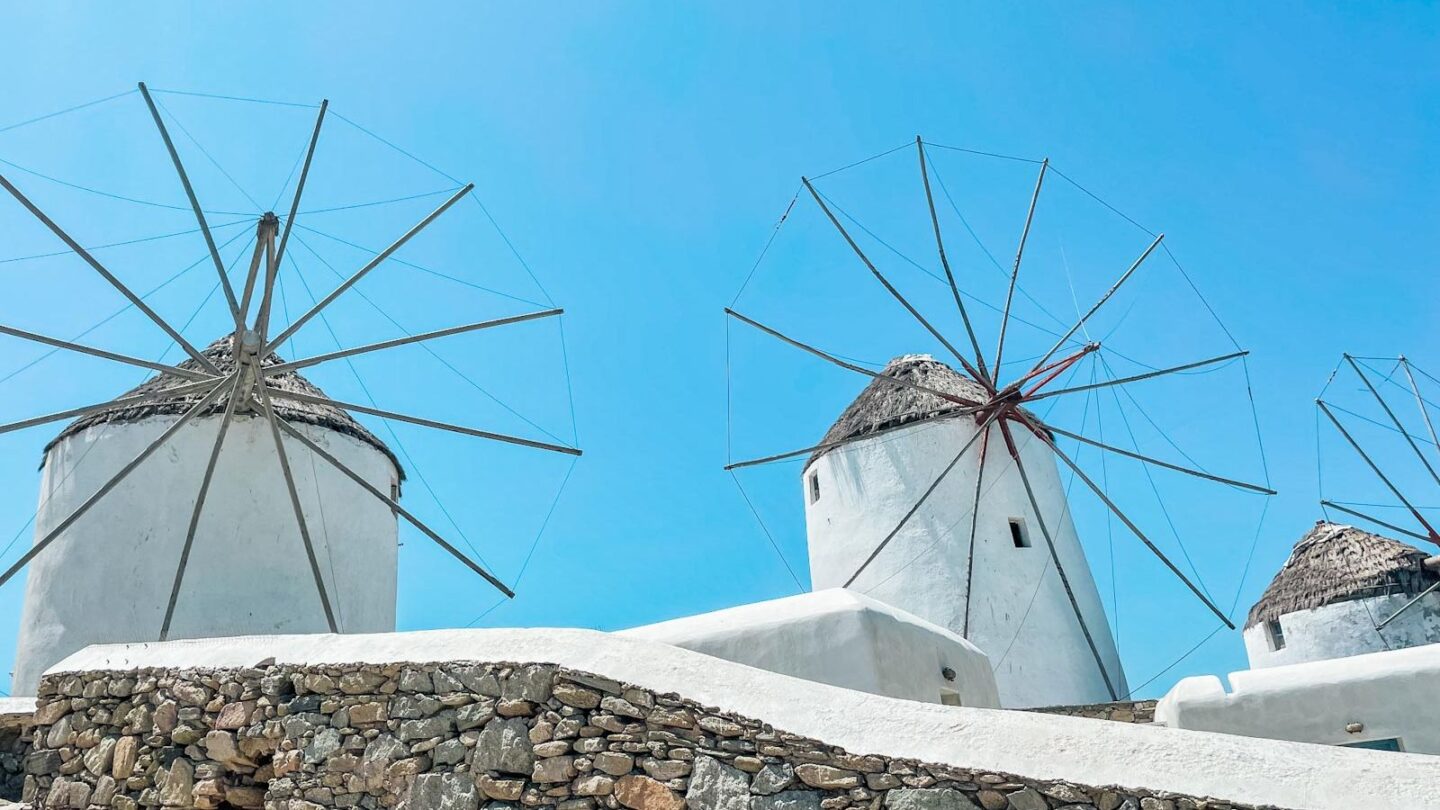
Mykonos was named after a local hero, Mykons, said to be a descendant of Apollo. Greek mythology tells of Hercules slaying giants here, their petrified bodies forming the island’s rocky landscape. These legends still colour local identity, connecting residents to a heroic, almost divine ancestry.
A Crossroads of Traders and Pirates
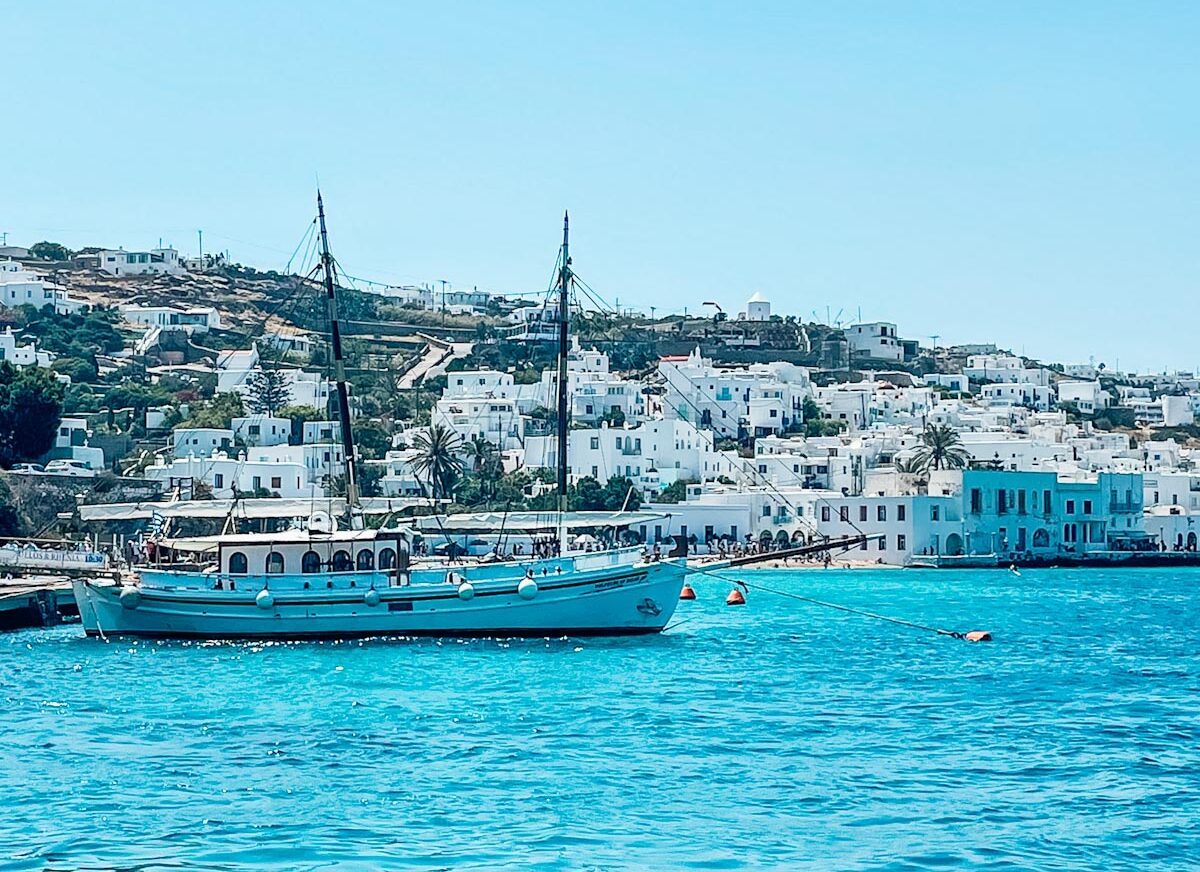
Positioned in the heart of the Cyclades, Mykonos became a vital stop for merchants sailing the Aegean. But prosperity also attracted danger, pirate raids were common from the Middle Ages through the 18th century. Many Mykonians trace family stories of seafaring ancestors who defended their island, explaining the community’s enduring maritime skills and strong sense of independence.
The Venetian and Ottoman Influence
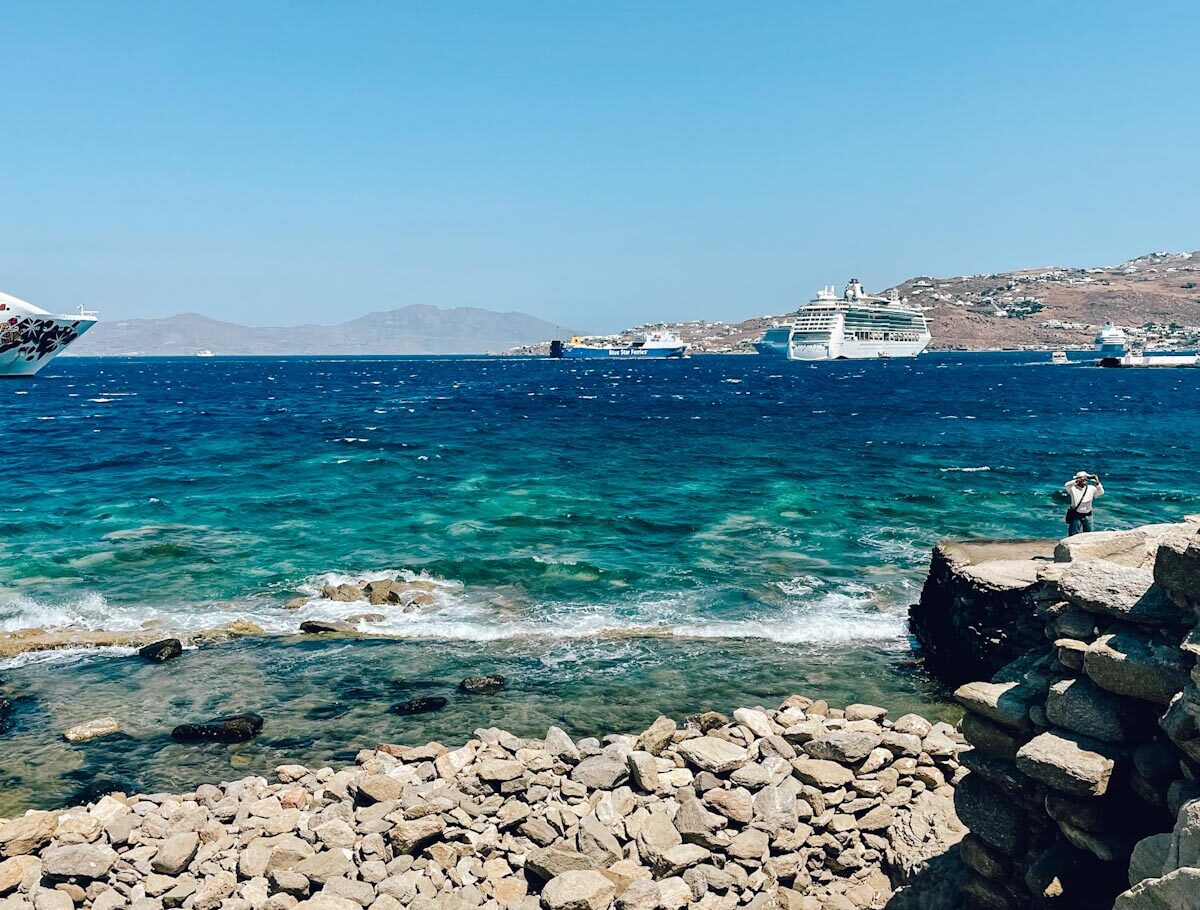
From the 1200s Mykonos fell under Venetian control, bringing Catholic traditions and fortified architecture. Later the Ottomans ruled for nearly four centuries, but with relative autonomy. This layered history fostered a cosmopolitan spirit and a pragmatic tolerance that still shines in the locals’ open-minded outlook and hospitality.
The War of Independence and National Pride
Mykonians played a crucial role in Greece’s 1821 War of Independence. Local heroine Manto Mavrogenous used her personal fortune to finance ships and fighters, earning lasting admiration across the country.
Her bravery is celebrated in festivals and street names, and her legacy of patriotism remains a source of pride for residents today. In the heart of Mykonos Town, a striking marble monument of Manto stands in the square that bears her name, a constant reminder of the island’s fight for freedom and the courage of the woman who helped secure it.
A Land of Churches and Chapels
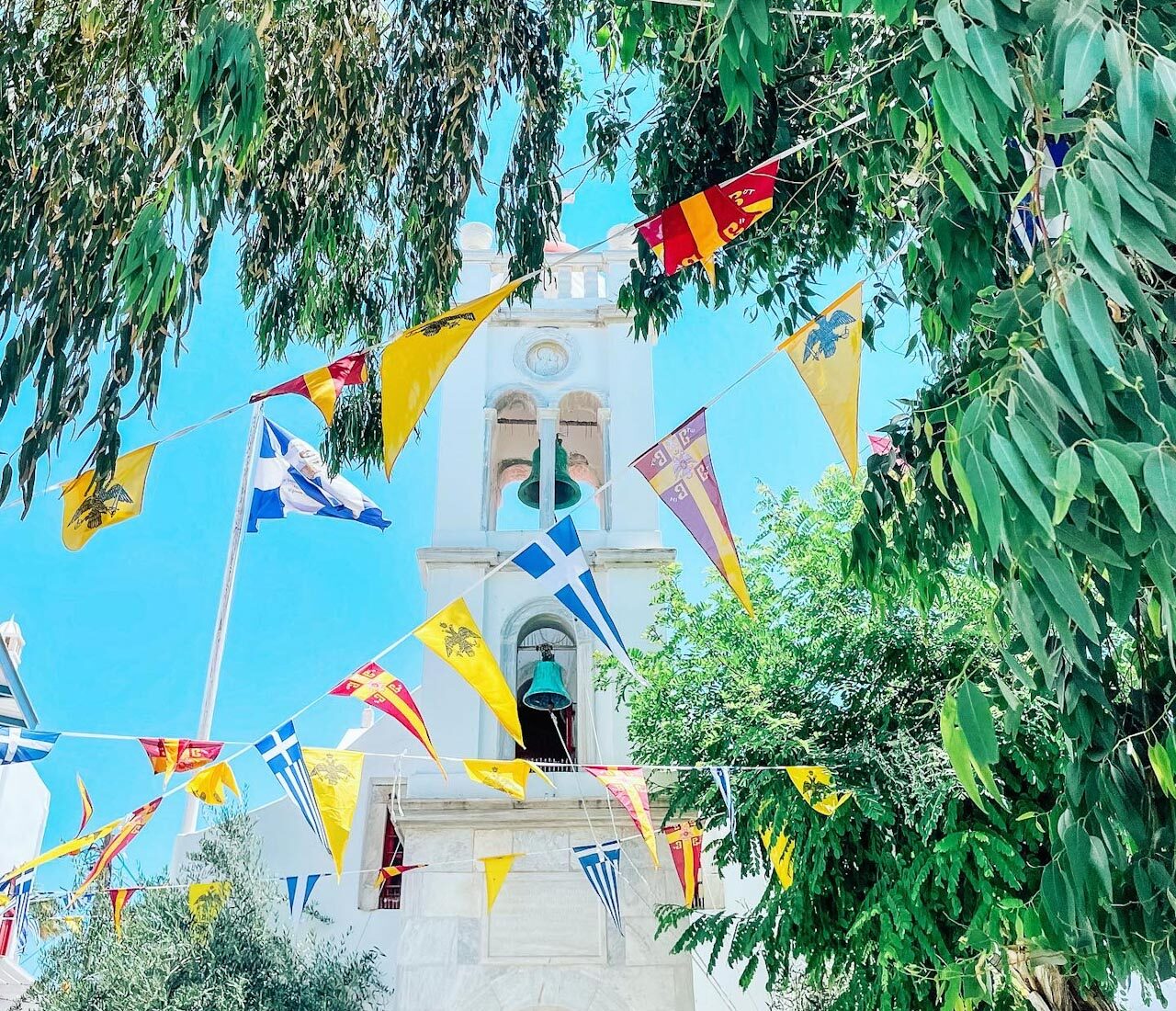
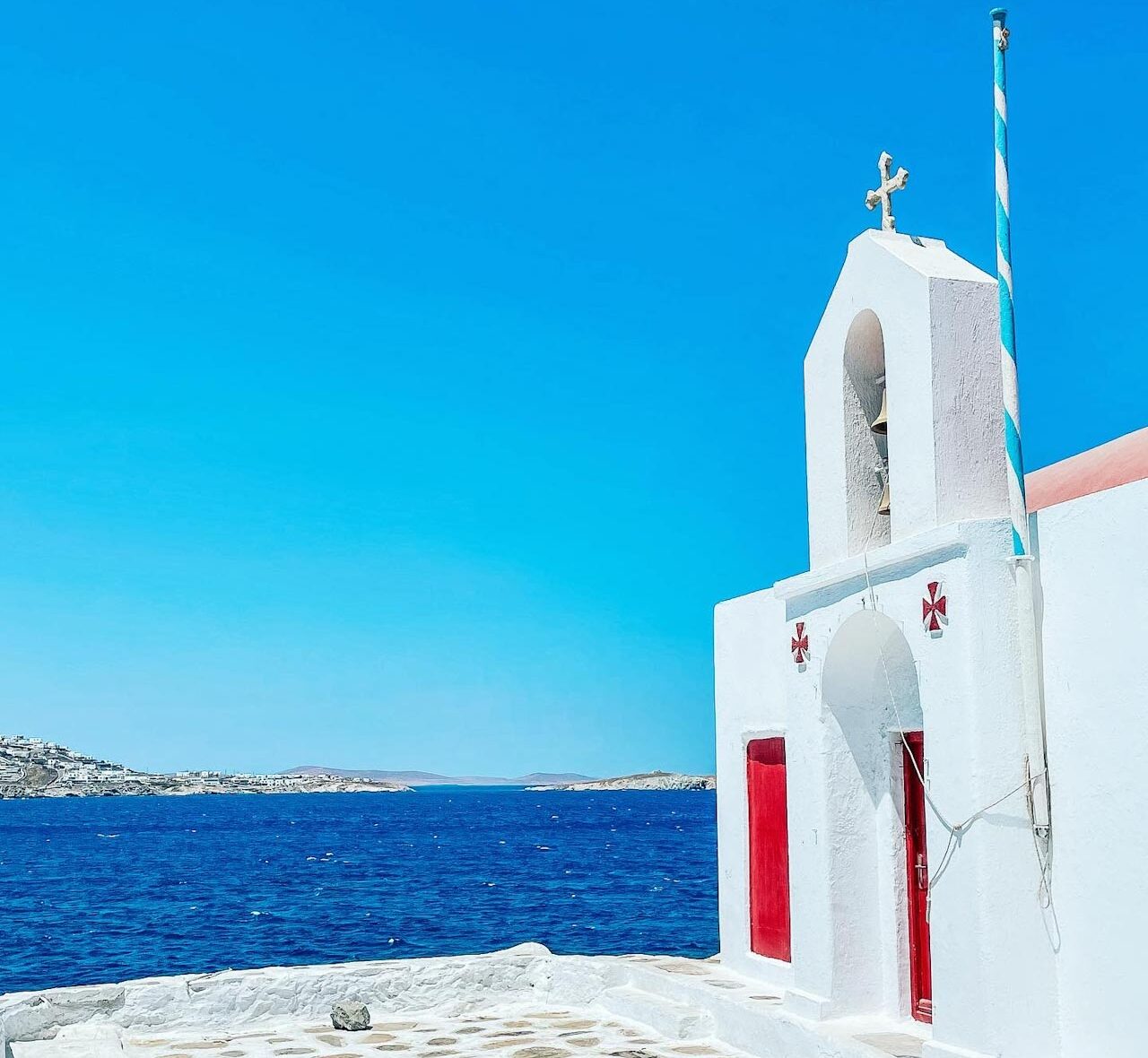
For an island with only about 10,000 permanent residents, Mykonos is astonishingly rich in places of worship. More than 600 churches and chapels are officially registered across the island, far exceeding the old saying of “one for every day of the year.” Many of these whitewashed sanctuaries are tiny family-built chapels, created by sailors and merchants to give thanks for safe voyages or to honour a beloved saint.
Scattered across hillsides, hidden in courtyards, and perched beside the sea, they form a striking part of the landscape and reveal the deep spiritual traditions that continue to shape Mykonian life today.
Maritime Wealth and Family Bonds
During the 19th century, Mykonos prospered through shipping and trade, which funded many of the elegant mansions in Chora. Even as tourism now drives the economy, seafaring traditions endure, many families still maintain boats, and fishing remains both a livelihood and a cherished way of life.
Preserving Identity in a Tourist Hotspot
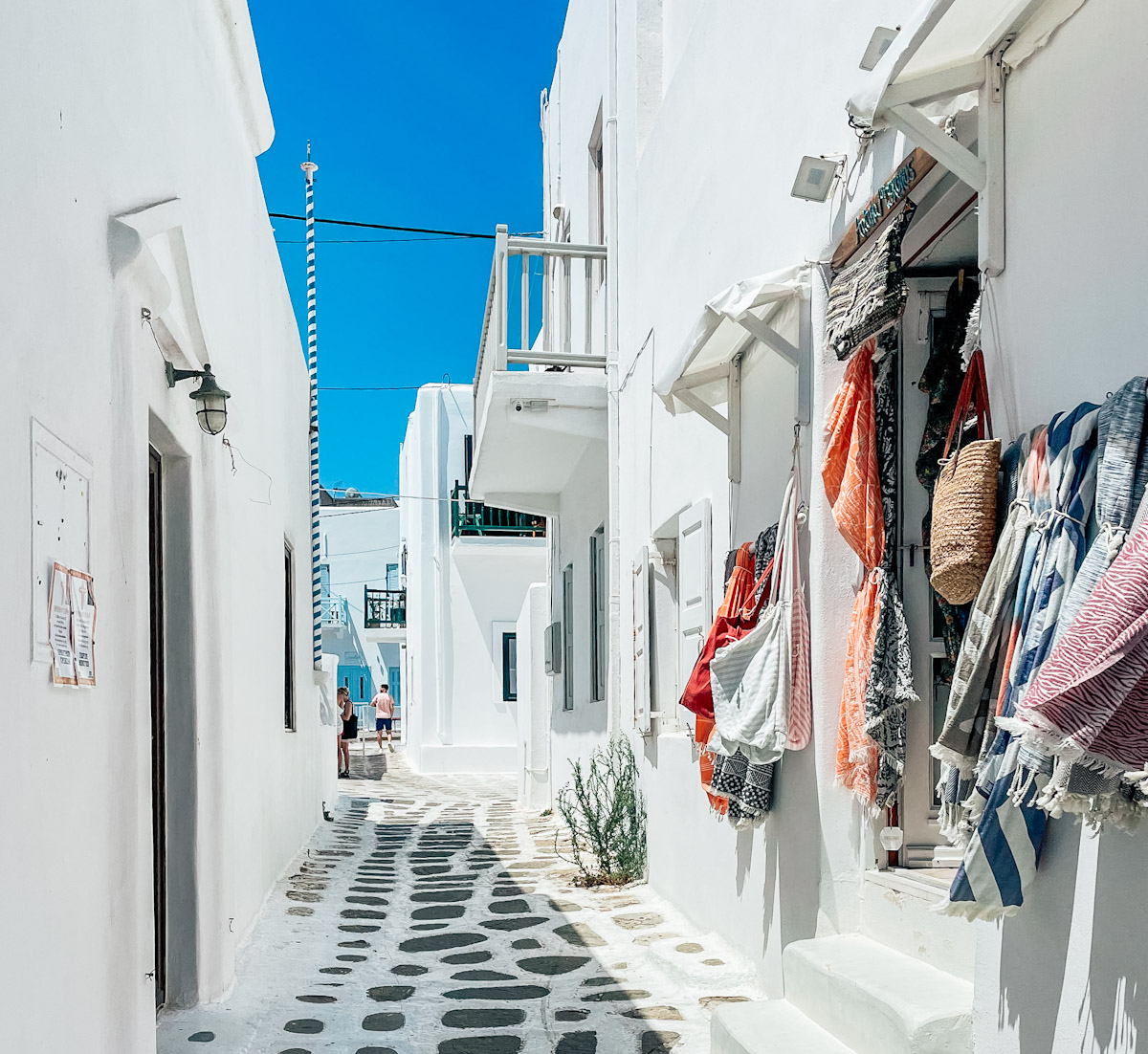
Since the 1960s Mykonos has welcomed artists, celebrities and travellers from around the globe. Locals have balanced tourism with preservation, protecting traditional architecture and age-old festivals. This careful stewardship reflects a deep respect for heritage and a determination to remain authentically Mykonian despite modern pressures.
Understanding the Mykonian Spirit

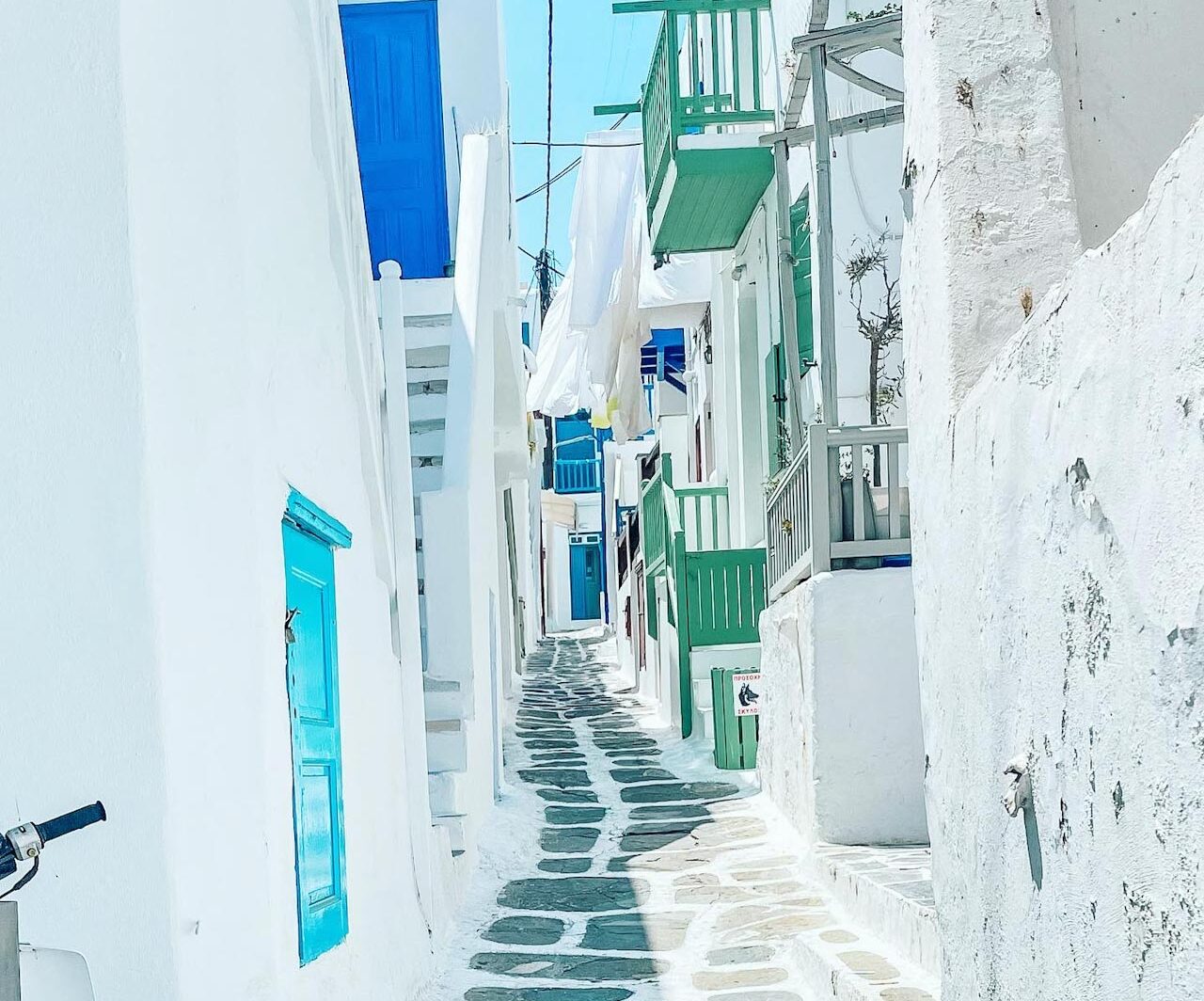
The people of Mykonos are shaped by centuries of myth, maritime adventure, foreign rule and hard-won freedom. Their renowned hospitality is more than a tourist welcome, it’s the continuation of a culture that has embraced visitors for millennia while fiercely protecting its own identity. When you wander the island’s narrow streets or share a meal in a family taverna, you’re meeting a community proud of its past and eager to share it.
