
Cruising is one of the most popular ways to travel, offering sun-soaked decks, world-class entertainment, fine dining, and unforgettable shore excursions. With thousands of passengers aboard a single ship, it’s a melting pot of different ages, nationalities, and travel styles. But as the cruise industry has expanded and diversified, a subtle social hierarchy has emerged, what some call “cruise snobbery.”
You Don’t Have To Look Far To See Cruise Snobbery In Action

AD We have been or could be if you click on a link in this post compensated via a cash payment, gift or something else of value for writing this post. See our full disclosure policy and privacy policy for more details.
A quick scroll through social media reveals passengers bragging about their luxury suites, specialty dining experiences, or private excursions, sometimes belittling others who choose budget cabins or skip formal nights. From luxury suites to inside cabins, mega-ships to intimate vessels, and high-end excursions to budget-friendly shore trips, passengers sometimes judge each other based on spending, cabin choice, or onboard behaviour.
While it’s rarely overt, these comparisons can affect how people feel about their experience, especially first-time cruisers or those on a tighter budget. Whether you’re a seasoned cruiser or taking your very first cruise, it’s worth understanding what cruise snobbery looks like, why it happens, and how to navigate it. After all, a cruise should be about relaxing and enjoying new experiences, not worrying about what others think.
Luxury vs Budget Attitudes

Passengers on luxury or premium ships sometimes view those on mainstream or budget cruises as “settling” for less. This can manifest as subtle judgments about the ship, the cabin, or even dining choices.
High-end travellers often take pride in suites, specialty dining, private lounges, and exclusive experiences, which can make first-time cruisers or those on smaller budgets feel self-conscious. The contrast between different cruise experiences highlights the wide spectrum of spending power and expectations among passengers.
Ship Size Matters
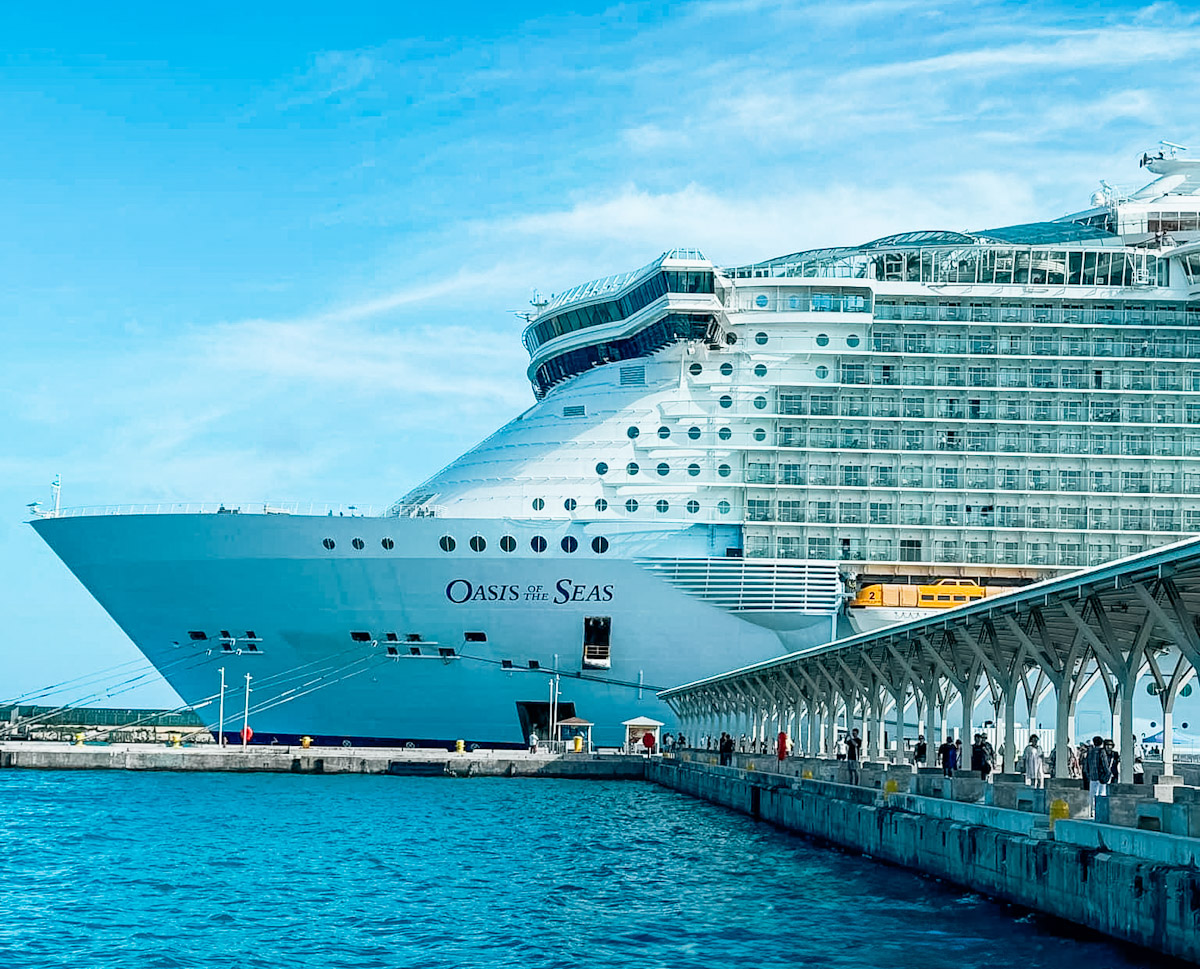
The size of the ship often determines a passenger’s cruising “clique.” Mega-ship fans highlight endless dining options, Broadway-style shows, giant waterparks, and expansive entertainment as reasons their ship is superior.
Meanwhile, small-ship enthusiasts value intimacy, personalised service, and quiet retreats. Each group may quietly or openly criticise the other, claiming their experience is the “authentic” or superior way to cruise, which can create subtle divisions onboard.
Cabin Status

Your cabin can become a status symbol. Passengers in suites or balcony rooms sometimes perceive inside or ocean-view cabin guests as having “compromised” their experience. Even small differences, like a private balcony or upgraded bedding, can create an unspoken hierarchy, affecting interactions in elevators, dining rooms, and lounges. These judgments are often unintentional but noticeable to some passengers.
Dining Choices

Cruise snobbery frequently extends to food. Passengers who prioritise specialty restaurants or formal nights may view buffet-only diners as missing out on the “true” cruise experience. Others might judge those who skip early dining, late dining, or themed nights.
Dining choices are highly personal, but subtle criticism can occur when cruisers feel that their own preferences are the standard.
Excursion Selection

Shore excursions are another area where snobbery emerges. Some passengers choose high-end, private tours, helicopter rides, or luxury experiences, while others explore ports independently or stick to free walking routes.
Opinions about what constitutes a “worthy” excursion can spark quiet judgments or comparisons. Those chasing curated experiences may unintentionally look down on travellers who prefer budget-friendly or spontaneous activities.
Why Cruise Snobbery Happens

- Diverse price points: Cruise holidays range from a few hundred pounds to several thousand for the same itinerary, naturally creating a hierarchy.
- Pride in planning: Many cruisers take pride in researching ships, routes, and perks, which can slip into condescension.
- Social identity: Cruises are social environments where passengers often signal status or sophistication, consciously or unconsciously.
Cons of Cruise Snobbery

Cruise snobbery can create unnecessary tension onboard, making some travellers feel judged for their cabin choice, cruise line, dining habits or budget. It often leads to a sense of competition that takes away from the relaxed, inclusive nature of cruising.
Much of this negativity is fuelled by social media keyboard warriors who seem to take pleasure in belittling others, but it’s important not to let their comments or attitudes dampen your own holiday. After all, everyone books a cruise for enjoyment, not comparison.
- Can make first-time or budget travellers feel unwelcome or judged.
- Creates unnecessary pressure to spend more than planned to “fit in.”
- Can diminish the fun and relaxation of the cruise experience.
Cruise Snobbery Exists

But it is mostly subtle and situational. At the end of the day, cruising is meant to be inclusive and enjoyable for everyone. Despite personal perceptions or preferences, no passenger is “better” than another.
Whether you’re in a luxury suite, a balcony, or an inside cabin, the best way to enjoy your cruise is to focus on your own experience, exploring the ports, dining, entertainment, and time with family and friends. Everyone onboard is there for the same reason: a holiday at sea.
