
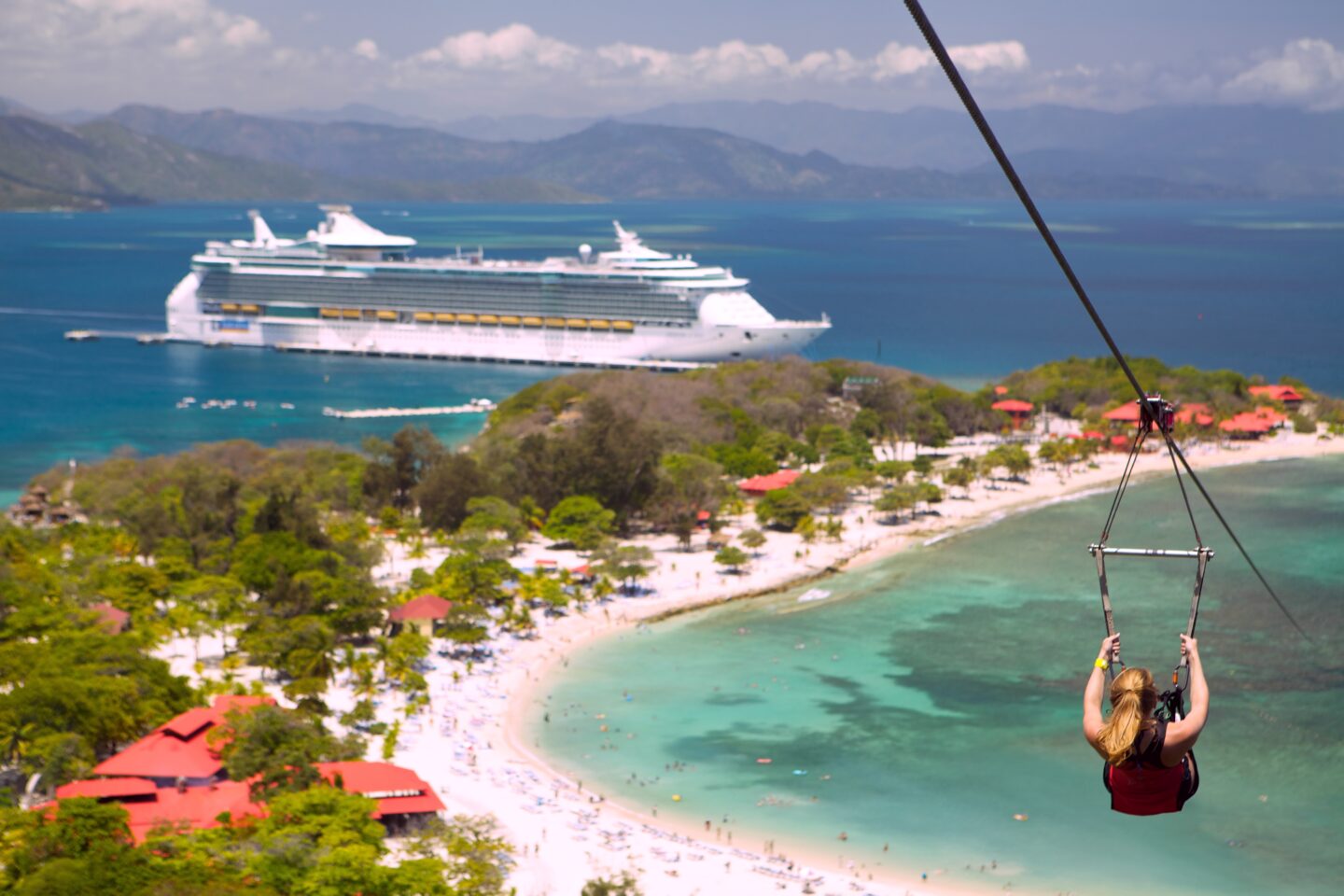
Cruising as we know it today is the result of almost two centuries of innovation, ambition and cultural change. What began as an elite pastime for the wealthy has evolved into one of the most popular forms of travel in the world, attracting millions of passengers each year.
Key Moments in Cruise History
AD We have been or could be if you click on a link in this post compensated via a cash payment, gift or something else of value for writing this post. See our full disclosure policy and privacy policy for more details.
Ships have grown from elegant steamers to floating cities, entertainment has become more diverse than ever, and the industry has weathered both triumphs and setbacks along the way. Understanding how cruising developed helps explain why it holds such a unique place in modern tourism. Here are ten pivotal moments that shaped the history of cruising.
1. 1844, P&O Launches the First Organised Leisure Cruises
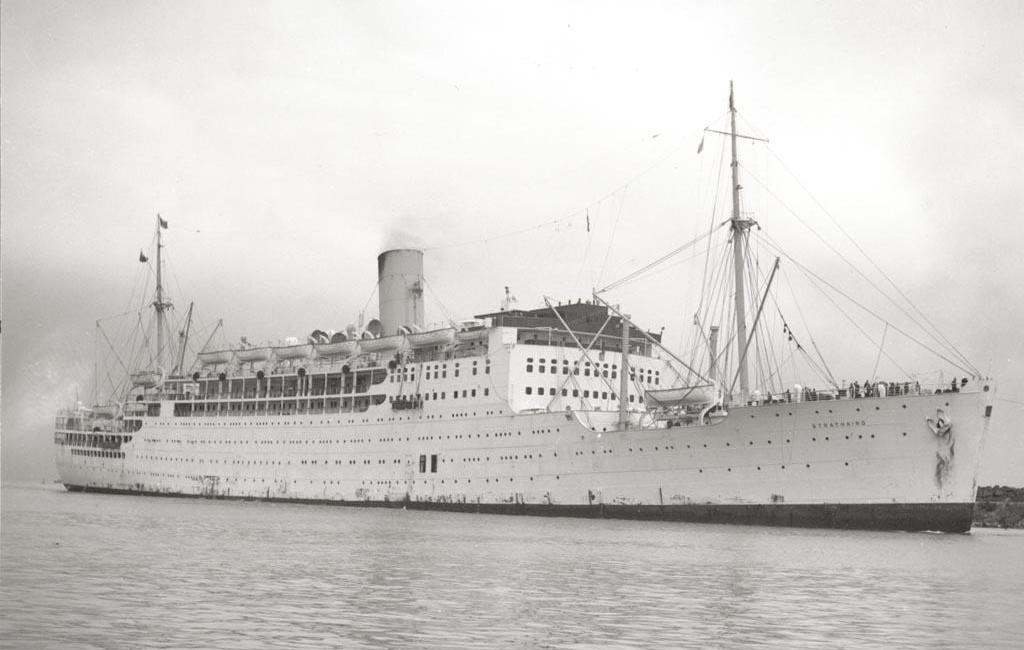
In 1844, P&O (Peninsular & Oriental Steam Navigation Company) offered the first organised pleasure cruises from Southampton to Mediterranean ports. These voyages were targeted at affluent Victorian travellers looking for leisurely escapes rather than functional transport. This marked a shift in how ships were used, laying the foundations for the leisure cruise industry that would emerge over the following century.
2. 1900, Prinzessin Victoria Luise, the First Purpose-Built Cruise Ship
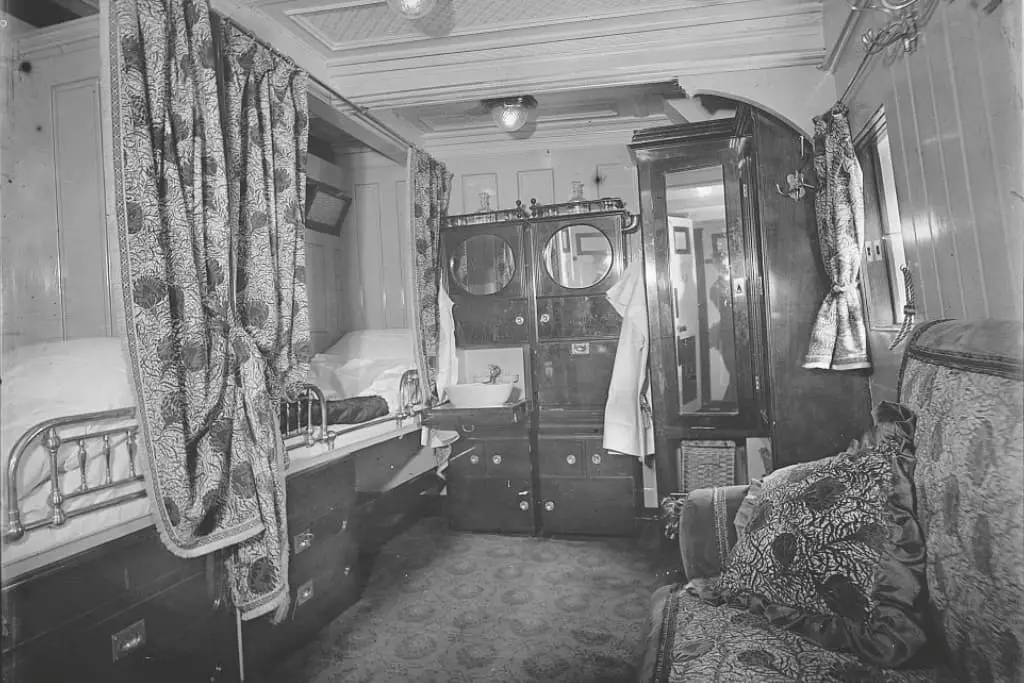
Germany’s HAPAG launched Prinzessin Victoria Luise in 1900, and she is widely recognised as the first vessel purpose-built for leisure cruising rather than transatlantic service. With elegant lounges, luxury cabins and a yacht-like appearance, she offered a more intimate and comfortable experience at sea. This was a significant turning point, introducing the concept of cruising as a stylish and exclusive way to travel.
3. 1912, The Titanic Disaster Reshapes Maritime Safety

The tragic sinking of RMS Titanic in 1912 was a defining moment in maritime history. The disaster led to major safety reforms, including the adoption of the first International Convention for the Safety of Life at Sea (SOLAS) in 1914. New regulations improved lifeboat provisions, onboard communication, and safety drills. These measures set the groundwork for the stringent safety standards that modern cruise ships continue to follow.
4. 1934, Cunard Launches the Queen Mary, Symbol of Ocean Liner Glamour

In 1934, Cunard launched the RMS Queen Mary, one of the most famous ocean liners ever built. She represented the height of pre-war luxury at sea, combining speed, size and sophistication. Sailing regularly between Southampton and New York, Queen Mary became a symbol of British maritime excellence and helped define the golden age of ocean travel.
Her legendary service, Art Deco interiors and glamorous reputation made her a household name and cemented Cunard’s place in cruise and liner history. Although she was built primarily for transatlantic crossings, her legacy continues to influence modern cruising, particularly Cunard’s emphasis on tradition, formal evenings and classic elegance.
5. 1950s, From Ocean Liners to Leisure Cruising
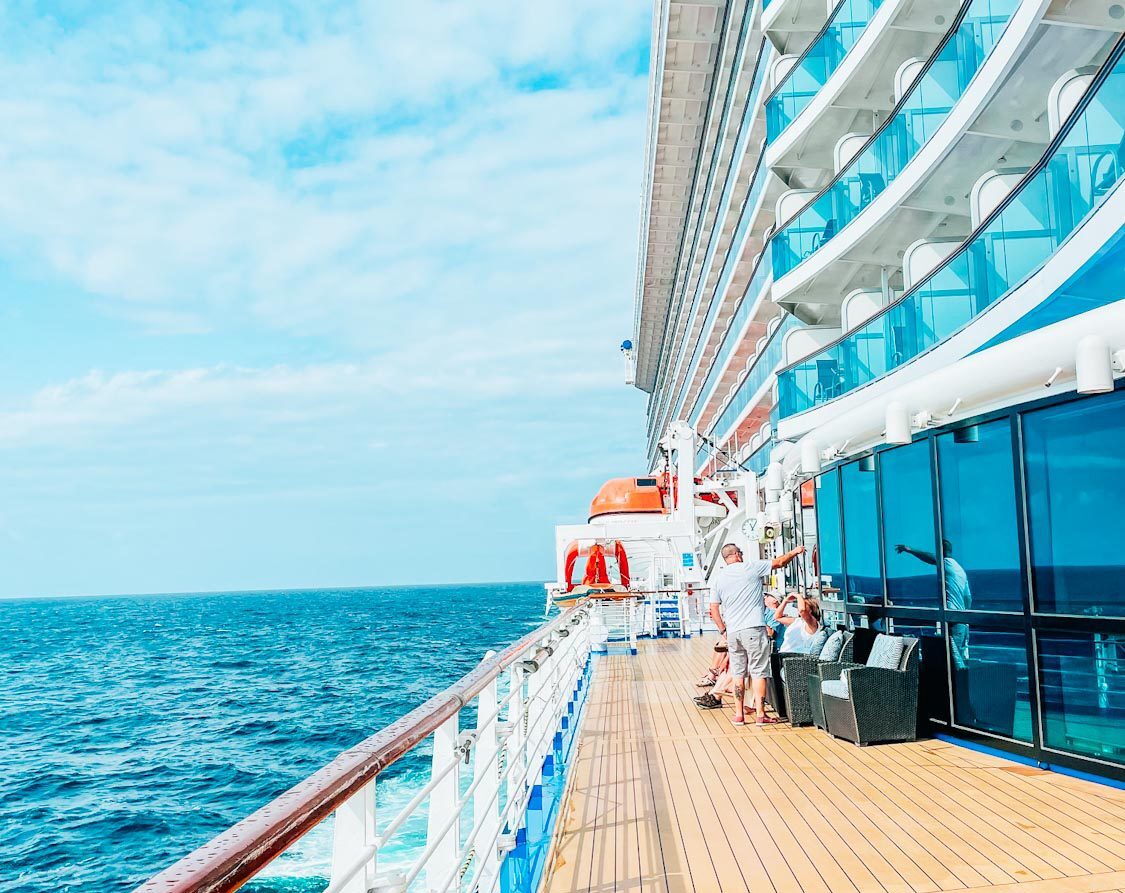
The rise of commercial air travel after the Second World War ended the dominance of transatlantic ocean liners as a primary mode of transportation. Faced with declining passenger numbers, many shipping companies adapted by repositioning their ships for leisure travel. Rather than simply moving passengers from one place to another, these voyages focused on comfort, entertainment and destinations, transforming the purpose of ocean travel.
6. 1967, NCL Brings Cruising to the Caribbean

Norwegian Caribbean Line (later Norwegian Cruise Line) launched its first Caribbean cruise in 1967, pioneering affordable warm-weather voyages. By focusing on the Caribbean rather than transatlantic crossings, the company opened up cruising to a broader audience and helped establish the region as the industry’s most important destination. This shift set the stage for the Caribbean to become the beating heart of modern cruising.
7. 1970, Song of Norway Ushers in a New Era

In 1970, Royal Caribbean introduced Song of Norway, one of the first modern ships designed specifically for warm-weather cruising. Unlike older liners that had been repurposed for leisure voyages, this vessel was built to suit the needs of a new type of traveller. With innovative features such as a panoramic lounge and a sleek design, it reflected the growing trend towards resort-style cruising where the ship itself was as important as the destinations.
8. 1977, The Love Boat Makes Cruising Mainstream
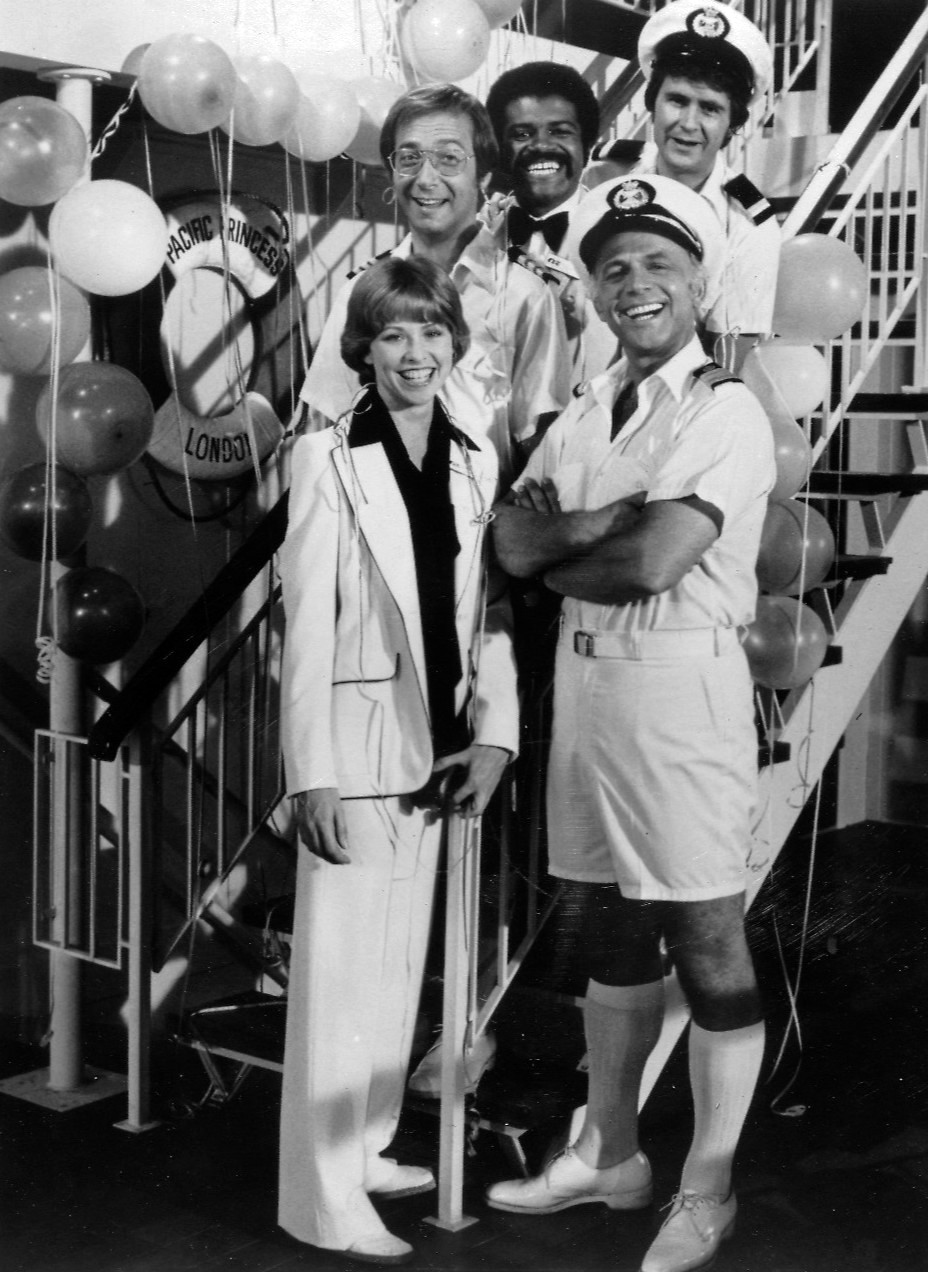
When the TV series The Love Boat debuted in 1977, cruising entered the popular imagination in a way it never had before. Filmed on Princess Cruises ships, the show portrayed life at sea as glamorous, romantic and accessible. It reached millions of viewers worldwide and attracted a new generation of travellers, helping to transform cruising from a niche pastime into a mainstream holiday option.
9. 1988, Sovereign of the Seas Launches the Megaship Era
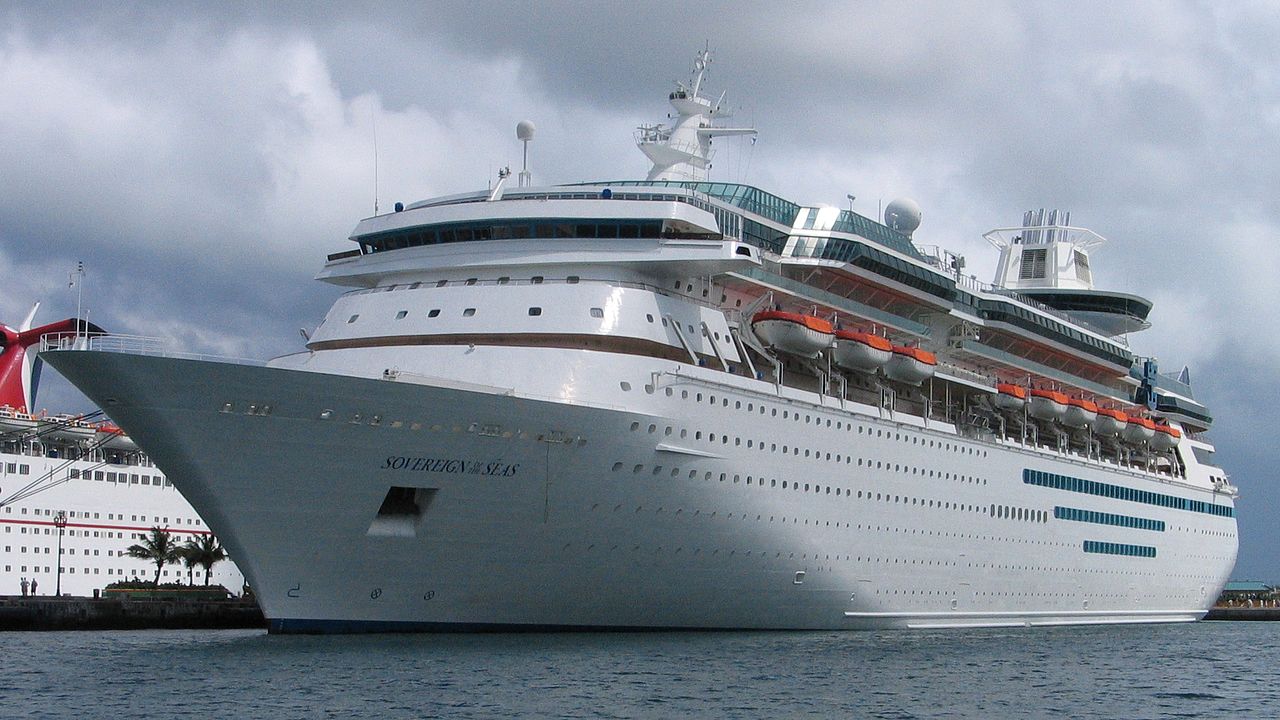
Royal Caribbean’s Sovereign of the Seas entered service in 1988 as the largest cruise ship of its time. It introduced a multi-deck atrium, glass lifts and a design that focused heavily on onboard amenities. This marked the beginning of the megaship era, where vessels were no longer just a means of transport but destinations in their own right. Sovereign’s influence can still be seen in the design of many modern ships.
10. 2009, Oasis of the Seas Redefines Scale and Innovation

When Oasis of the Seas launched in 2009, it completely redefined the scale and ambition of cruise ship design. At the time, it was the largest cruise ship in the world and introduced a “neighbourhood” concept that divided the ship into distinct themed areas. Features such as a carousel, Central Park and the AquaTheater brought new forms of entertainment and experiences to sea, setting a new standard for what modern cruise ships could offer.
11. 2020, The COVID-19 Pandemic Halts Cruising

In 2020, the global cruise industry came to an unprecedented standstill due to the COVID-19 pandemic. Ships were docked, operations were suspended worldwide, and the industry faced intense scrutiny over health and safety protocols. This pause led to significant changes in ship design, operational procedures and passenger health measures. The pandemic became one of the most transformative moments in cruise history, shaping the way the industry operates in the modern era.
The Legacy of Cruising’s Defining Moments
The history of cruising is a story of adaptation, innovation and cultural change. From the early leisure voyages of the Victorian era to the megaships of the 21st century, each milestone has pushed the industry forward in new ways. Cruising has evolved from a luxury reserved for the elite into a diverse and accessible way to travel for millions of people around the world. Understanding these key moments reveals not just how the industry has grown, but also how it continues to reinvent itself for the future.
