
Despite the allure of all-inclusive amenities, exotic destinations, and endless entertainment, cruising isn’t for everyone. We looked at what People Hate About Cruising to get to the bottom of why it isn’t for everyone. Many traveler’s express frustration with certain aspects of the experience, from overcrowded ships and limited time at ports to hidden costs and concerns about environmental impact. Some feel confined by the structure of life at sea, while others love to moan about other guests.
Peoples Pet Hates About Cruise Vacations

AD We have been or could be if you click on a link in this post compensated via a cash payment, gift or something else of value for writing this post. See our full disclosure policy and privacy policy for more details.
We took a look at people’s pet hates about Cruise vacations and this is what we found! Whether it’s the risk of seasickness, underwhelming food, or a lack of genuine immersion in local destinations, these common gripes reveal that cruising isn’t always smooth sailing for everyone.
While many people love cruising for its convenience, entertainment, and all-inclusive nature, there are a few common complaints that can turn others off from the experience:
Crowds and Overcrowding
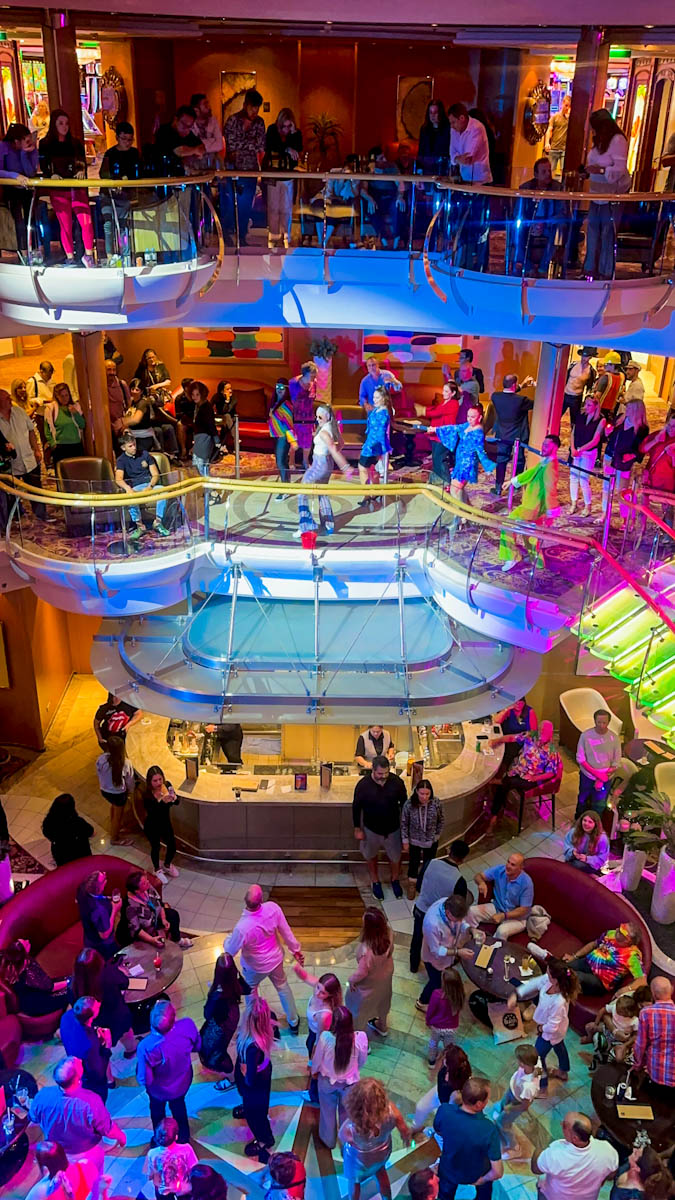
Large cruise ships often carry thousands of passengers, which can lead to long lines for activities, buffets, and disembarking at ports. With queuing for restaurants, shows and even toilets.
What we think;
Just like any big mall, movie theater, pool, or concert hall… Heading to the pool at 1 PM on a sea day? Expect it to be crowded. Planning to eat at 1 PM on a port day when most people are off the ship? You’ll likely have the place to yourself.
Limited Time at Ports

Some traveler’s feel rushed because cruise ships typically stop for only a few hours at each destination, limiting the time to explore. With ships docking early sometimes all aboard can be any time from Noon until late evening depending on the port.
One cruiser stated;
It’s all about profit. Cruise lines earn more when you stay on board. Ideally, they prefer to stop just long enough to sell you an excursion.
What we think;
Choose to do one thing only, go to lunch ashore or visit a museum. If you cruise a-lot it is likely you will visit that port again to experience more of it.
Hidden Costs

While cruises advertise as all-inclusive, many charge extra for things like drinks, excursions, specialty dining, and Wi-Fi, leading to unexpected expenses.
What we think;
Additional expenses, though not hidden fees, include parking costs at the port if you drive, and the cost of a hotel the night before, as it’s highly recommended not to fly or drive in on the day of the cruise due to potential delays. Extras like excursions, drink packages, specialty dining, gratuities, and Wi-Fi are optional but important to factor into your budget.
Feeling Trapped
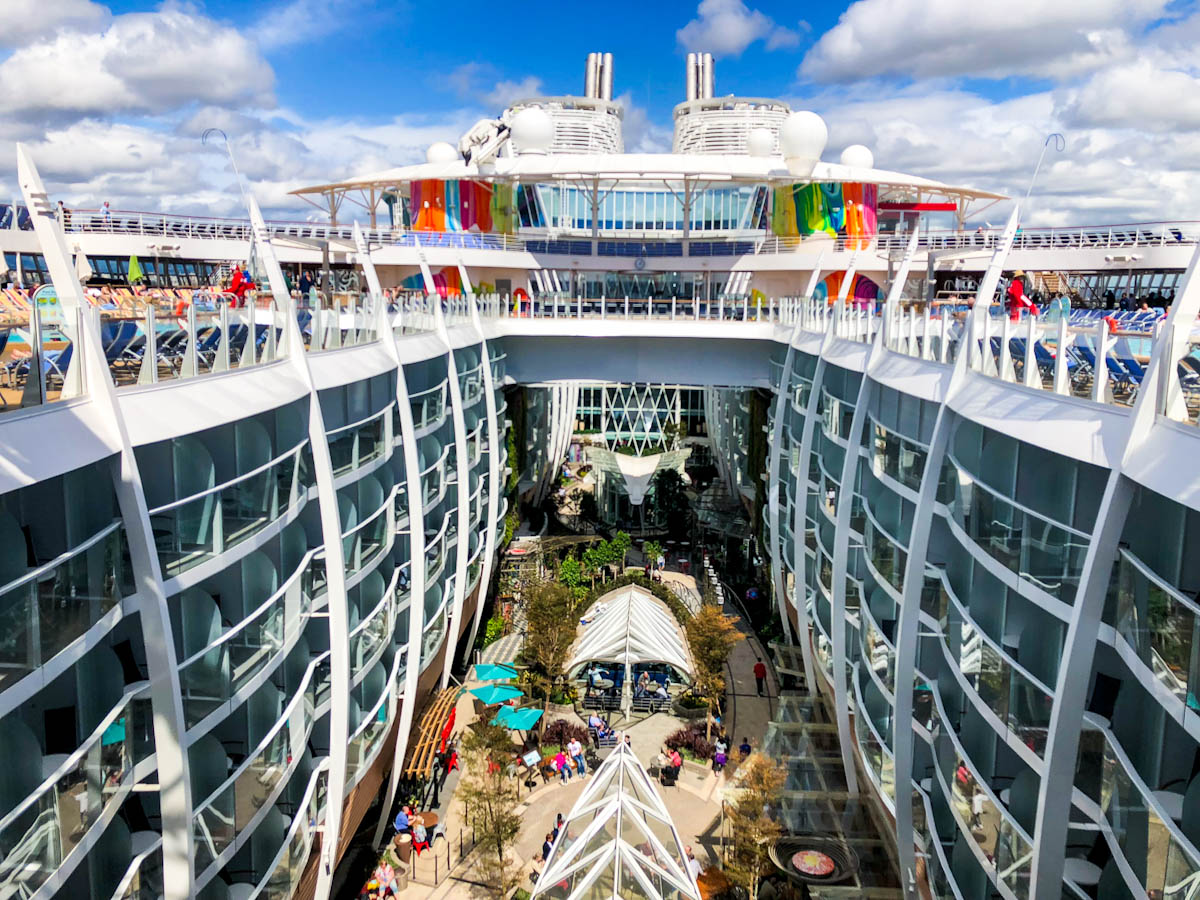
For those who like freedom and flexibility when they travel, being confined to a ship can feel limiting, especially on long sea days with no port stops. Some people think they will feel claustrophobic.
What we think;
Most cruise ships are massive and spacious, far from feeling claustrophobic. You hardly notice the motion, especially when you’re occupied with activities or watching shows. To us, it feel’s more like being in a small city where everything is just a short walk away.
Environmental Impact

Cruising has a significant environmental footprint due to the pollution caused by large ships, which is a major concern for eco-conscious traveler’s.
Whilst many cruise lines’s are dedicated to reducing emission’s and making cruising cleaner both cruising and flying have significant environmental impacts. Cruising contributes more to marine and coastal damage, while flying’s altitude-based emissions are more potent in terms of their climate impact. In terms of carbon emissions per passenger mile, flying may be more efficient over long distances, but cruise ships are usually more polluting per passenger on a per-day basis due to their size, amenities, and the length of time spent at sea.
Seasickness
The motion of the ocean can lead to seasickness for some passengers, making the trip uncomfortable.
What we think;
While it’s not impossible to experience seasickness on a cruise, it’s highly unlikely that you’ll feel unwell. In fact, most people don’t get seasick under normal conditions. Speaking from personal experience as someone who has long struggled with motion sickness, cruises are generally much smoother than you might expect. There are a variety of options medical options you can take as well as where you position yourself on a ship. Do these things and you will have a smooth travel.
Lack of Authentic Cultural Experiences

Some people feel that cruises offer a more touristy, superficial experience of destinations rather than an immersive, authentic engagement with local culture.
What we think;
To experience more authentic culture on cruises, skip the cruise-line excursions and explore independently with local guides or by visiting less touristy areas. Research the destination beforehand, focus on eating at local spots, and try learning a few basic phrases in the local language to foster genuine interactions. Opt for smaller tours or explore solo for a more intimate experience, and if available, choose cruises with overnight stays at ports to immerse yourself more fully in the local culture.
Food Quality
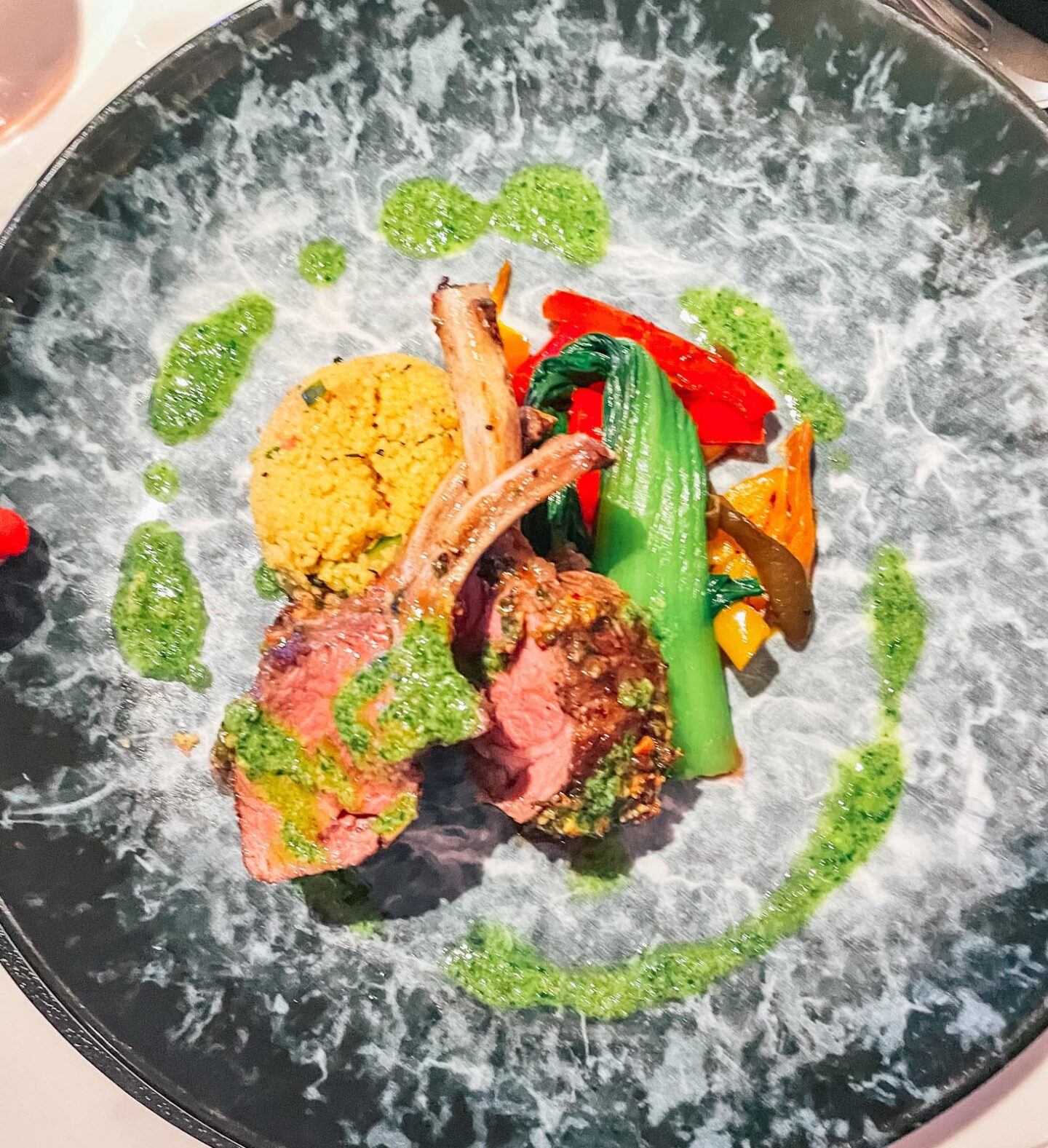
Although there are many dining options, some find the quality of cruise food to be hit-or-miss, especially in buffet settings.
What we think;
The quality of food on cruises can vary widely depending on the cruise line, ship, and dining options chosen. Many premium cruise lines offer gourmet meals prepared by renowned chefs, with a focus on fresh, high-quality ingredients and diverse menus that cater to various dietary preferences. However, budget lines may provide more basic fare that some travelers find less satisfying. While the main dining room typically serves a multi-course meal, alternative dining venues often provide different cuisines, sometimes at an additional cost. Overall, while many guests enjoy their dining experiences on cruises, some may find the food inconsistent, particularly in buffet settings where quality can fluctuate due to high volume and rapid turnover.
Over-the-Top Entertainment

Some find the onboard entertainment, like shows and poolside activities, to be cheesy or too loud.
What we think;
Cruises are known for their over-the-top entertainment options, which can include extravagant stage shows, live music, comedy acts, and themed parties. Many cruise lines invest heavily in high-quality productions featuring talented performers and elaborate sets, providing guests with a variety of entertainment choices that cater to different tastes. While some travelers appreciate the lively and diverse offerings, others may find them overly commercialised or not to their liking, particularly if they prefer quieter, more low-key activities. Additionally, the entertainment schedule can be packed, which may leave some guests feeling overwhelmed or missing out on other experiences. Overall, the entertainment on cruises is varied and can be a highlight for many, but it may not appeal to everyone.
Illness Concerns

The close quarters and communal nature of cruise ships make them prone to spreading illnesses, with norovirus outbreaks being a common concern in the past. Many people worry that they will be stuck on a cruise ship with no medical help or be confined to their room for days.
What we think;
Preparing for potential medical illness concerns on a cruise is essential for ensuring a safe and enjoyable experience. Start by consulting your healthcare provider before your trip to discuss any existing medical conditions, medications, and necessary vaccinations based on your itinerary. Pack a travel health kit that includes prescription medications, over-the-counter pain relievers, seasickness tablets, antihistamines, band-aids, antiseptic wipes, and any other personal medical supplies you may need. Ensure you have travel insurance that covers medical emergencies, including evacuation, and verify the specifics of your policy.
It’s also important to inform the cruise line in advance if you have specific medical needs, as ships have medical staff on board who can assist. Familiarise yourself with the ship’s medical facilities, including their hours of operation and the types of services offered, as knowing what resources are available can help reduce anxiety in case of an emergency.
During your cruise, stay hydrated and make wise food choices to minimise the risk of an upset stomach, particularly if you have dietary restrictions. Practice good hygiene by washing your hands frequently and using hand sanitizer, and avoid close contact with sick passengers. By taking these proactive steps, you can better prepare for potential medical illness concerns and enhance your overall cruising experience.
