
Cruising has changed dramatically over the past 50 years, and few companies have shaped the industry as much as Royal Caribbean International. Known for innovation, luxury, and jaw-dropping ships, Royal Caribbean has grown from a small Norwegian venture into one of the world’s leading cruise lines.
From Song of Norway to Star of the Seas: The History of Royal Caribbean
AD We have been or could be if you click on a link in this post compensated via a cash payment, gift or something else of value for writing this post. See our full disclosure policy and privacy policy for more details.
Whether you’re a seasoned cruiser or a curious traveller, the story of Royal Caribbean is full of surprises, from pioneering ship designs to private islands and the world’s largest cruise vessels. Here are 10 fascinating facts about Royal Caribbean’s history that reveal how the cruise line became an icon at sea.
1. Founded in 1968 by Norwegian Shipping Companies
Royal Caribbean was established in 1968 when three Norwegian shipping companies, Anders Wilhelmsen & Company, I.M. Skaugen & Company, and Gotaas Larsen, joined forces to enter the cruise market. At the time, cruising was still considered a luxury for the few, and most ships were smaller and traditional.
Royal Caribbean’s founders wanted to create a more modern, innovative experience for a broader audience. This partnership laid the foundation for a company that would eventually redefine what cruising could be.
2. Song of Norway: The Ship That Started It All

The Song of Norway, launched in 1970, was Royal Caribbean’s very first ship. Built in Finland, it had a passenger capacity of 734, modest by today’s standards, but at the time it was modern, comfortable, and designed to appeal to a new generation of cruise travellers. The ship featured contemporary décor, spacious cabins, and onboard entertainment that set it apart from older ocean liners. Its success helped prove that Royal Caribbean’s vision for a new kind of cruising experience was viable.
3. Sovereign of the Seas Changed Cruising Forever
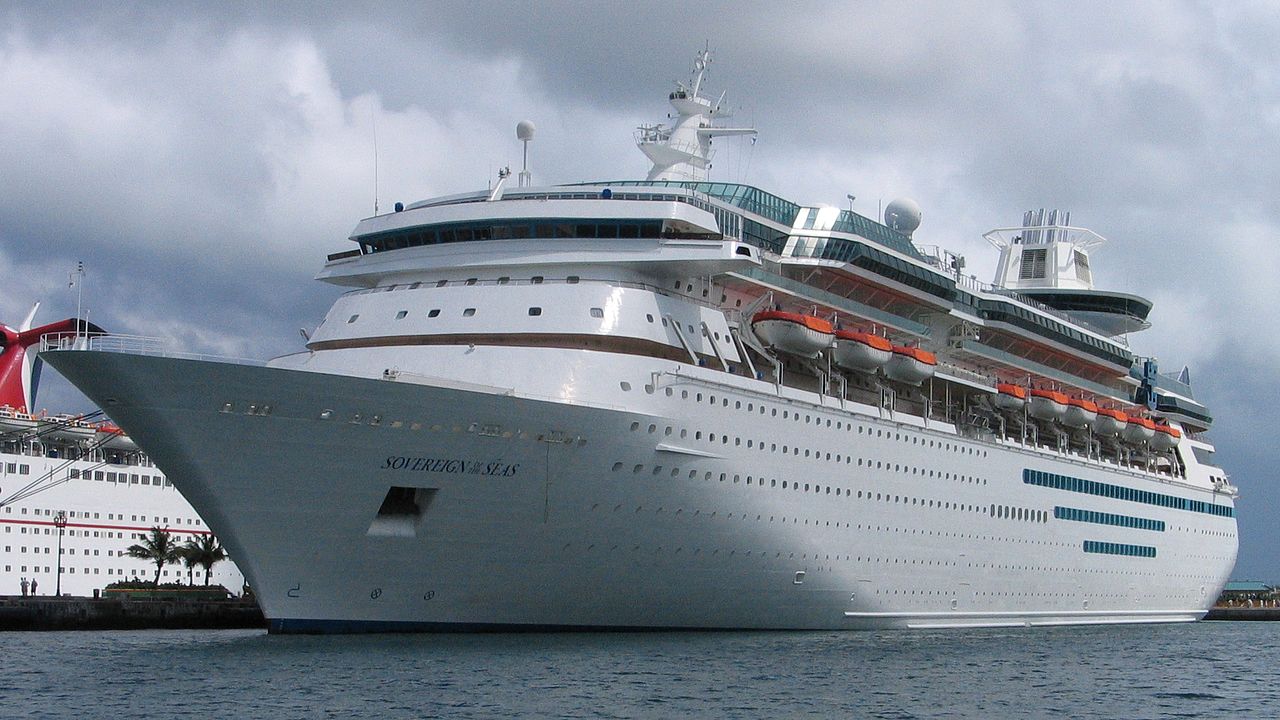
Launched in 1988, Sovereign of the Seas was a game-changer. At the time, it was the largest passenger ship in the world, measuring 73,000 gross tons and carrying over 2,700 passengers. Its multi-deck atrium, called the Centrum, became an instant design icon, offering a grand central space for entertainment, dining, and social gatherings.
Sovereign of the Seas set new standards for scale and luxury at sea and marked the beginning of the mega-ship era, paving the way for even larger and more innovative ships.
4. Voyager of the Seas Introduced the Royal Promenade

In 1999, Royal Caribbean launched Voyager of the Seas, the first of the Voyager-class ships, which brought a revolutionary new feature: the Royal Promenade. This indoor “street” extended several decks, lined with shops, cafés, bars, and live entertainment, giving passengers the feel of a bustling city while at sea.
The ship also included ice-skating rinks, rock climbing walls, and Broadway-style shows, features that made it a true floating resort and influenced the design of all modern Royal Caribbean ships.
5. Pioneers of Private Island Experiences
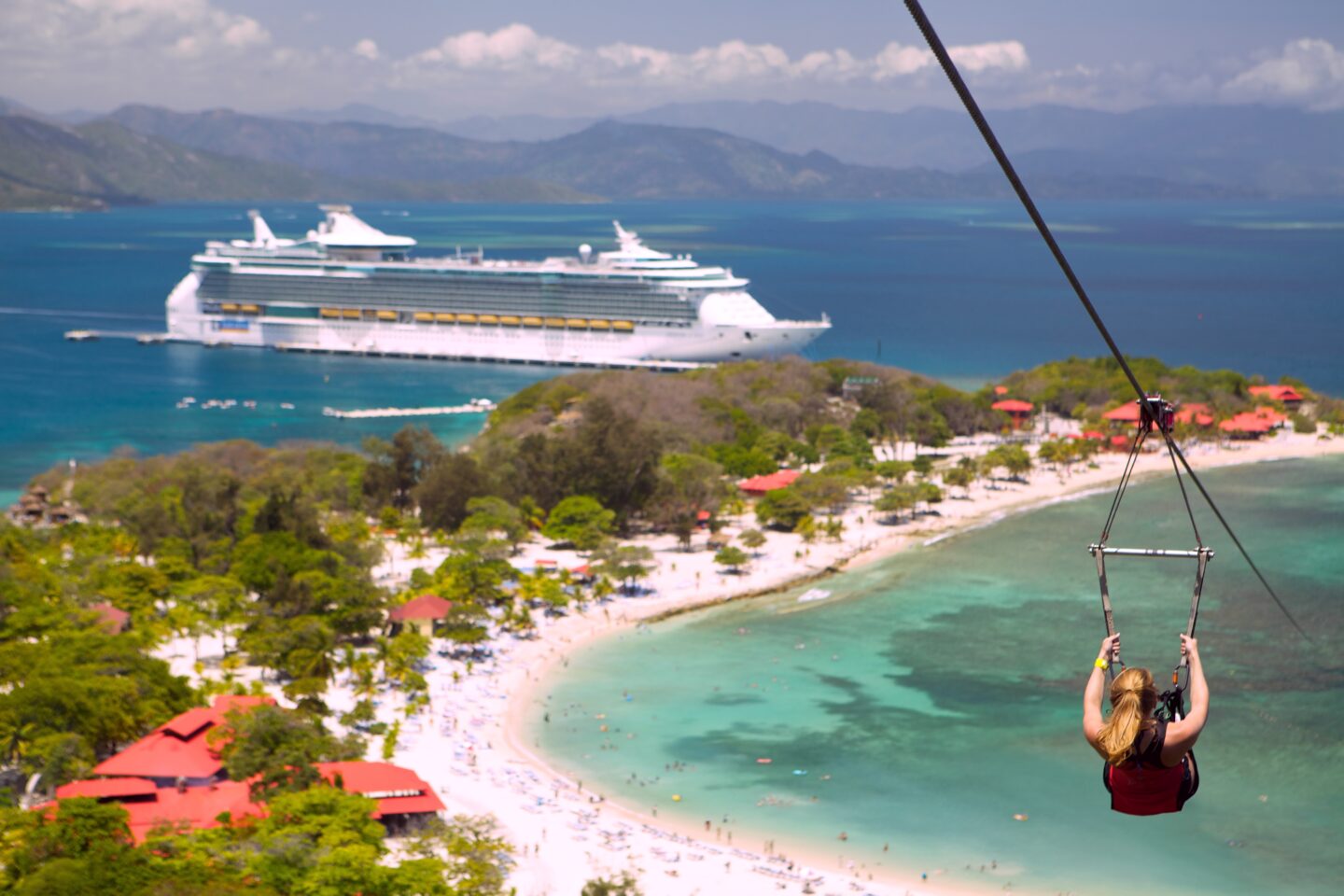
Royal Caribbean was one of the first cruise lines to develop exclusive private island destinations. In 1988, passengers first visited Labadee, Haiti, a beautiful, secure tropical location only accessible by Royal Caribbean ships. Later, the company launched Perfect Day at CocoCay in the Bahamas, featuring zip lines, water slides, private beaches, and even a helium balloon ride offering panoramic views.
These islands gave passengers unique shore experiences and became a signature aspect of Royal Caribbean cruises that competitors soon tried to emulate.
6. FlowRider Surf Simulators and Adventure at Sea

Royal Caribbean is famous for innovation and adding adventure to cruising. In 2004, Voyager-class ships introduced FlowRider surf simulators, allowing guests to ride waves on board. This was a first for the cruise industry.
Later, in 2014, Quantum-class ships launched RipCord by iFLY, a skydiving simulator. These features, along with rock climbing walls, zip lines, and ice-skating rinks, turned cruising into an action-packed experience suitable for thrill-seekers of all ages.
7. Oasis of the Seas: A Floating City

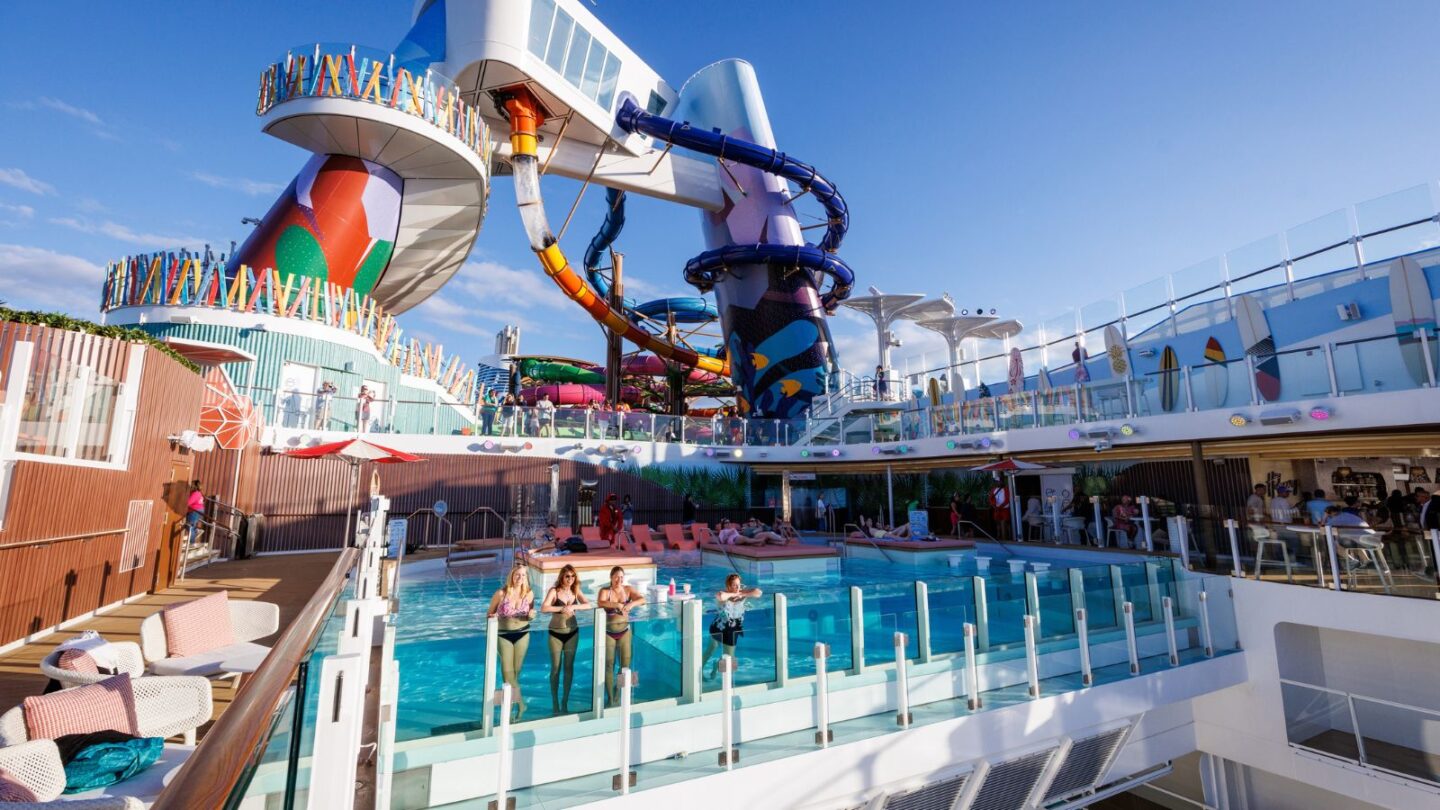
When Oasis of the Seas debuted in 2009, it completely redefined ship design. Measuring 225,282 gross tons and carrying over 5,400 passengers, it introduced “neighbourhoods” onboard, including Central Park, Boardwalk, Entertainment Place, and Pool & Sports Zone.
Each area offered distinct experiences, restaurants, entertainment, parks, and even live performances, making it feel like an entire city at sea. Oasis of the Seas became a blueprint for subsequent mega-ships and set a new standard for passenger experience. Oasis has been updated since her launch, but is still a firm favourite for cruise fans.
8. Consistently Home to the World’s Largest Ships
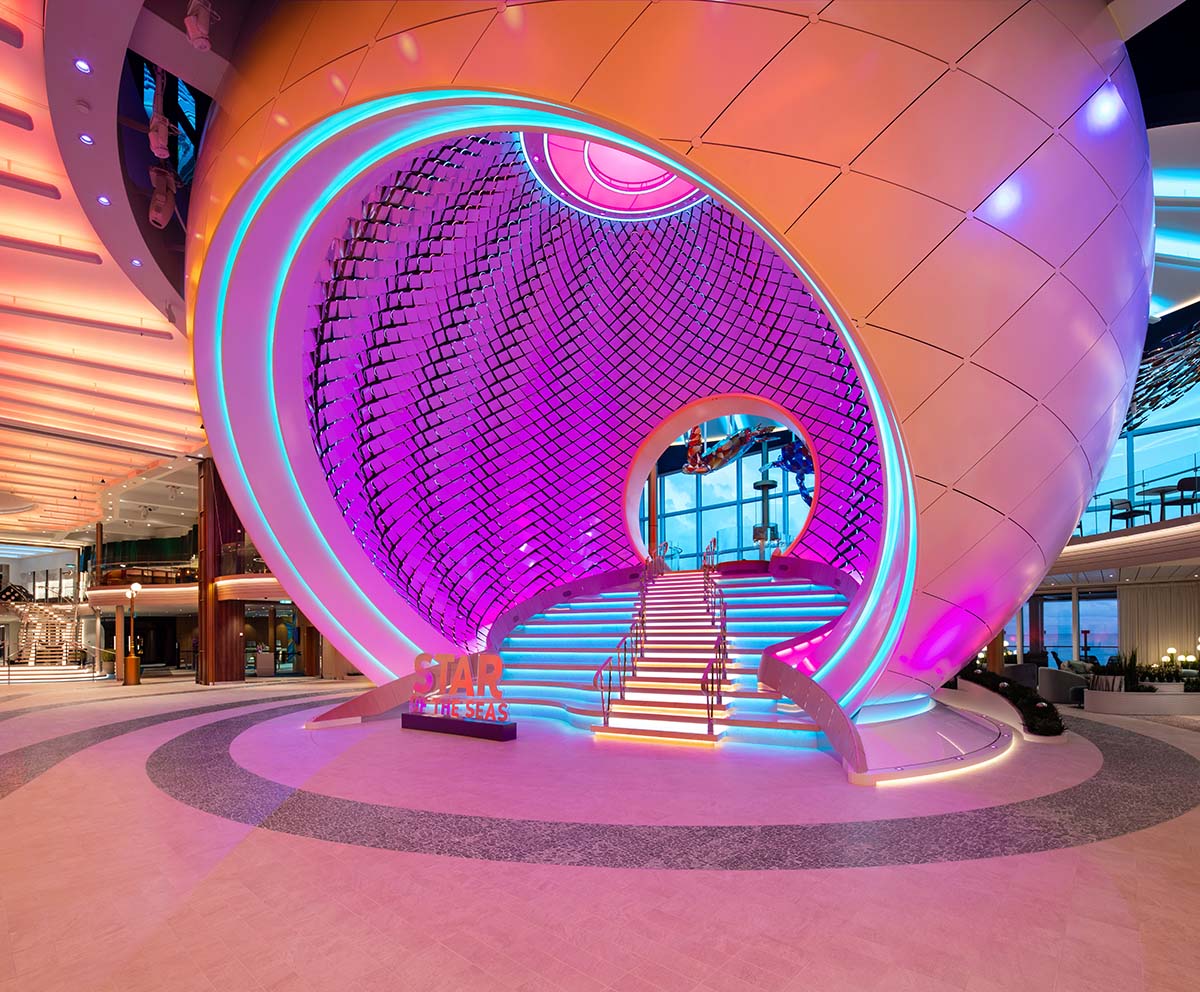
Royal Caribbean has repeatedly pushed the limits of ship size. From Sovereign of the Seas in 1988 to Voyager of the Seas in 1999, Oasis of the Seas in 2009, and most recently Star of the Seas in 2025, the cruise line has consistently delivered the largest and most innovative ships at sea.
These vessels not only hold more passengers but also feature unique amenities, entertainment venues, and innovative environmental technology, keeping Royal Caribbean at the forefront of cruise innovation.
9. Icon of the Seas Ushers in a Sustainable Era

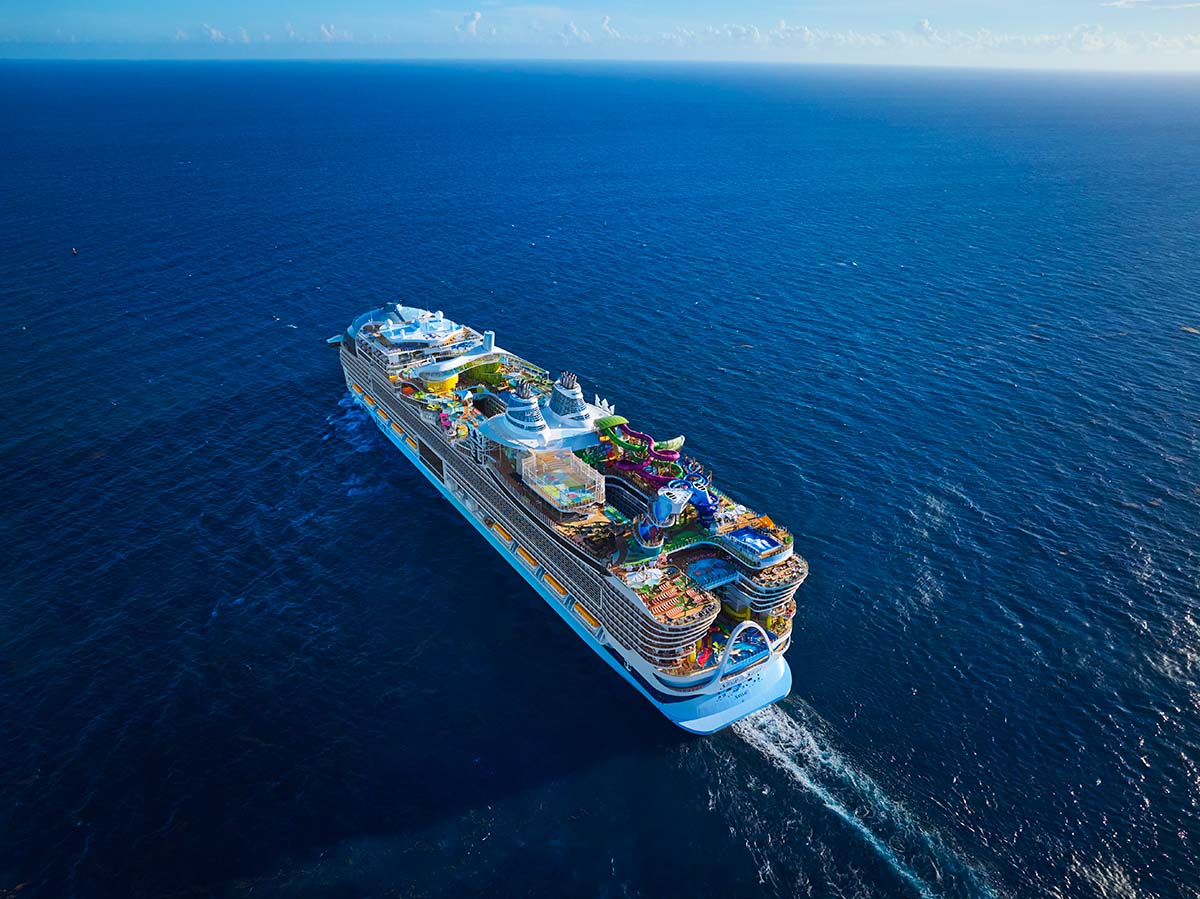
The Icon of the Seas, launched in 2024, represents the future of cruising. Powered by liquefied natural gas (LNG), it significantly reduces emissions compared to traditional ships. At 250,800 gross tons, it is the largest cruise ship ever built, with state-of-the-art facilities, multiple pools, a water park, and family-friendly neighborhoods. Icon of the Seas exemplifies Royal Caribbean’s commitment to sustainability while offering passengers unmatched luxury and adventure.
10. Royal Caribbean Group Operates Multiple Brands
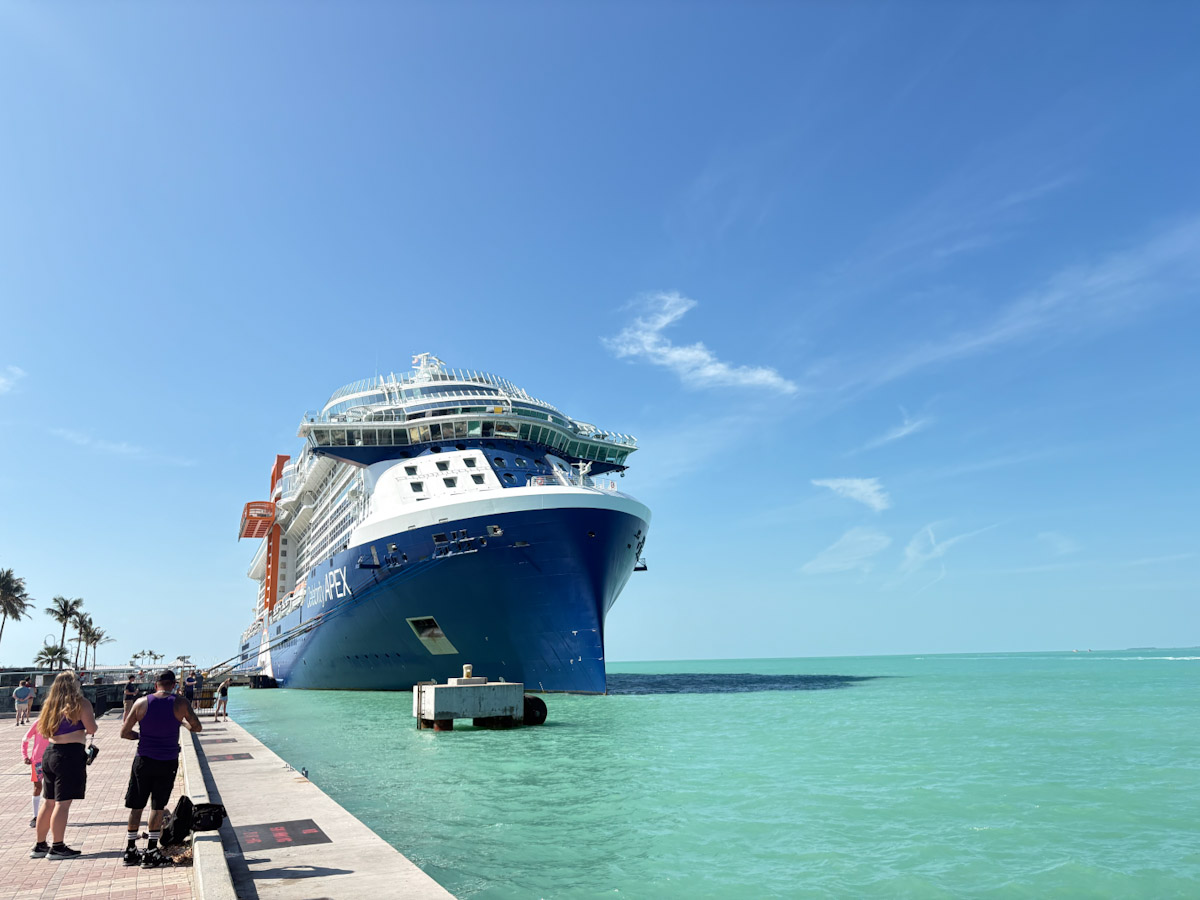
Royal Caribbean International is part of the Royal Caribbean Group, which also owns Celebrity Cruises, Silversea Cruises, and has stakes in TUI Cruises and Hapag-Lloyd Cruises. This allows the company to offer a range of cruise experiences, from luxury and expedition cruises to family-focused adventure cruises, reaching travelers with different tastes, budgets, and travel goals around the world.
Final Thoughts: A Legacy of Innovation and Adventure
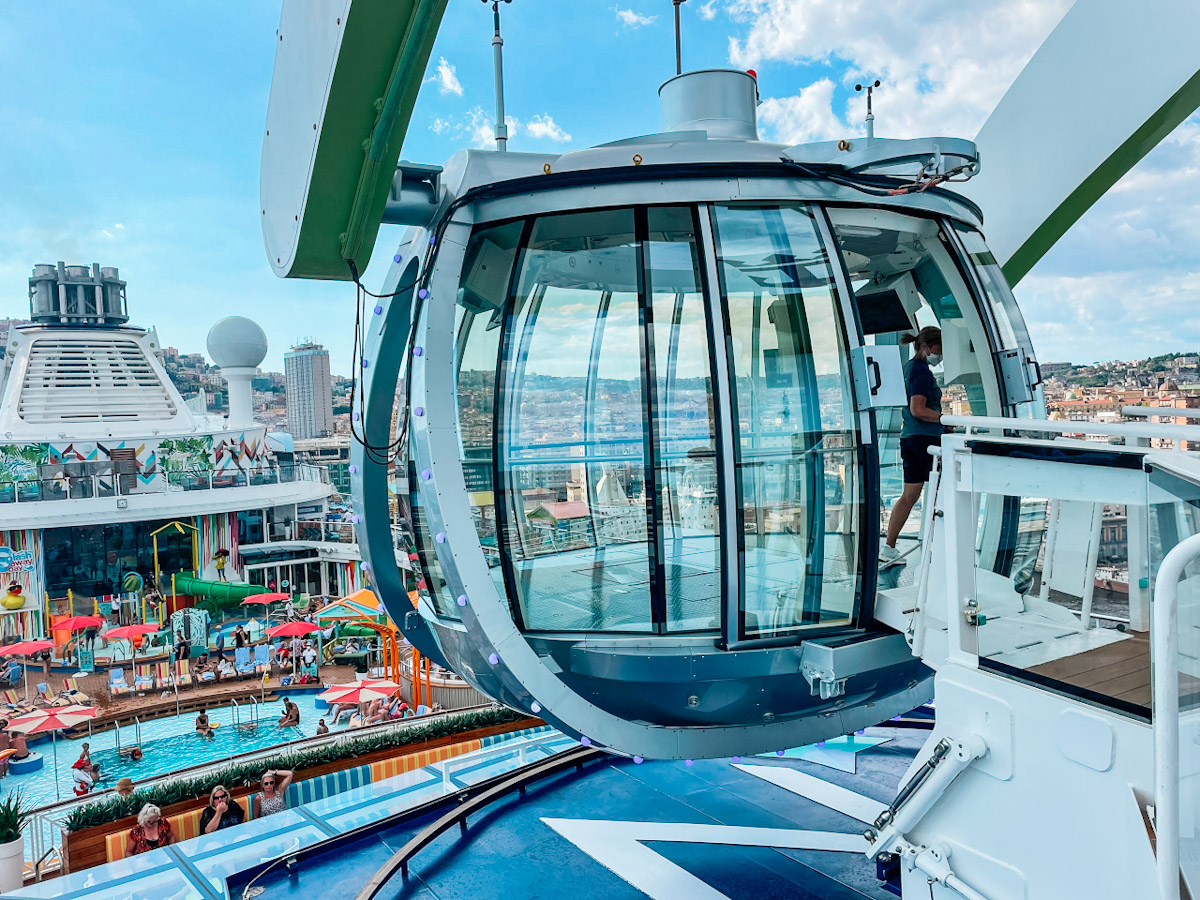
From the modest Song of Norway to the record-breaking Star of the Seas, Royal Caribbean has consistently reshaped the cruise industry with innovation, luxury, and adventure.
Its ships have redefined what passengers expect at sea, from onboard entertainment to private island experiences. Whether you’re planning your first cruise or are a seasoned cruiser, knowing the history behind Royal Caribbean gives a whole new appreciation for the company’s vision, ambition, and continued impact on global cruising.
