
When you think of modern cruising, Princess Cruises is a name that instantly comes to mind. Known for its elegant ships, romantic branding, and global itineraries, Princess has shaped the cruise industry for decades.
Princess Cruises An Evolving Brand

AD We have been or could be if you click on a link in this post compensated via a cash payment, gift or something else of value for writing this post. See our full disclosure policy and privacy policy for more details.
What began in the mid-1960s with a single chartered ship sailing to Mexico grew into one of the most recognisable cruise lines in the world, thanks in part to a hit TV show that made cruising a household dream. From its early days on the West Coast of the United States to becoming a key part of the world’s largest cruise corporation, the history of Princess Cruises is a fascinating story of innovation, expansion, and a little bit of Hollywood magic.
1965, A Modest Beginning
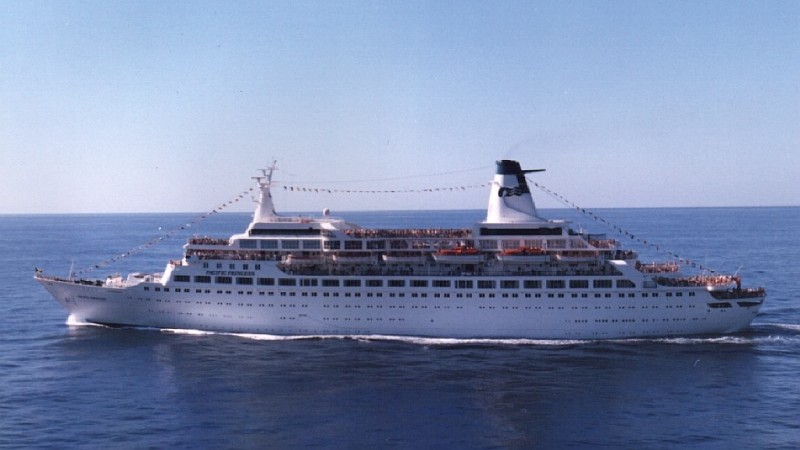
Princess Cruises was founded in 1965 by Stanley B. McDonald in Los Angeles, California. The company began operations by chartering the Princess Patricia, a ship originally built for cold-weather service. Despite this, Princess used her to run warm-weather cruises to Mexico during the winter season. These early voyages were simple but set the foundation for a new kind of holiday at sea — relaxed, warm, and focused on leisure rather than transportation.
Late 1960s, Early Growth and Expansion
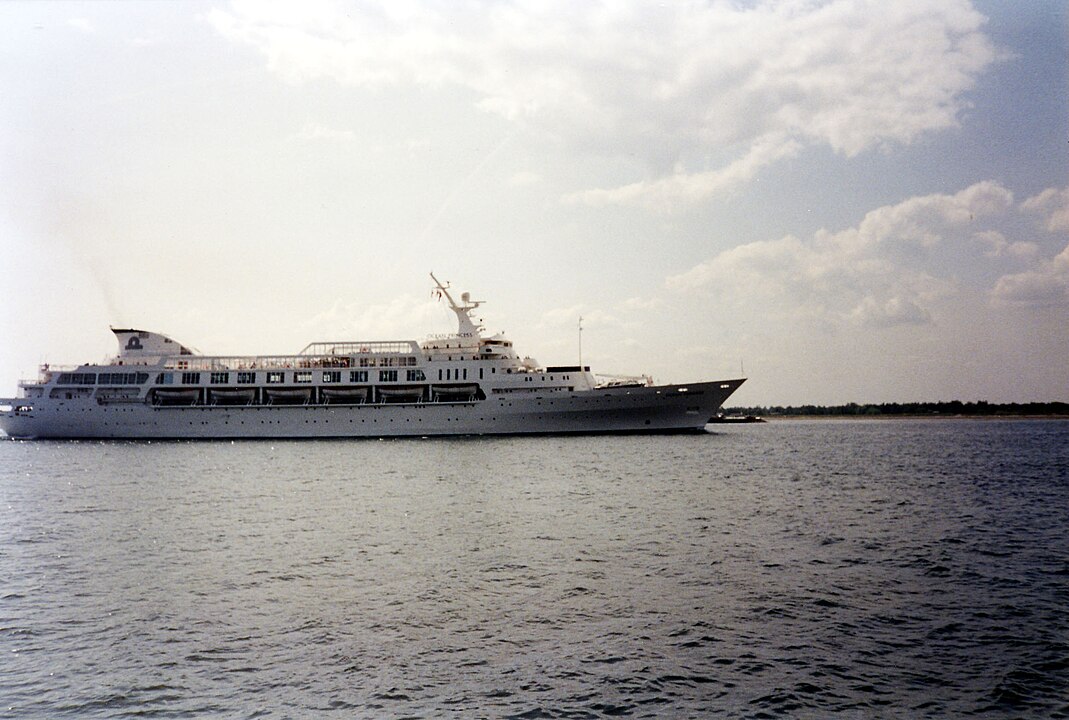
In 1967, Princess chartered the SS Italia, renamed her Princess Italia, and began offering cruises through the Panama Canal, as well as to Alaska. This marked the line’s first step into more ambitious itineraries. A year later, the company added the Princess Carla (originally Carla C), introducing more modern comforts and helping Princess develop a reputation for stylish, destination-focused cruising.
1970s, New Ships and a TV Breakthrough
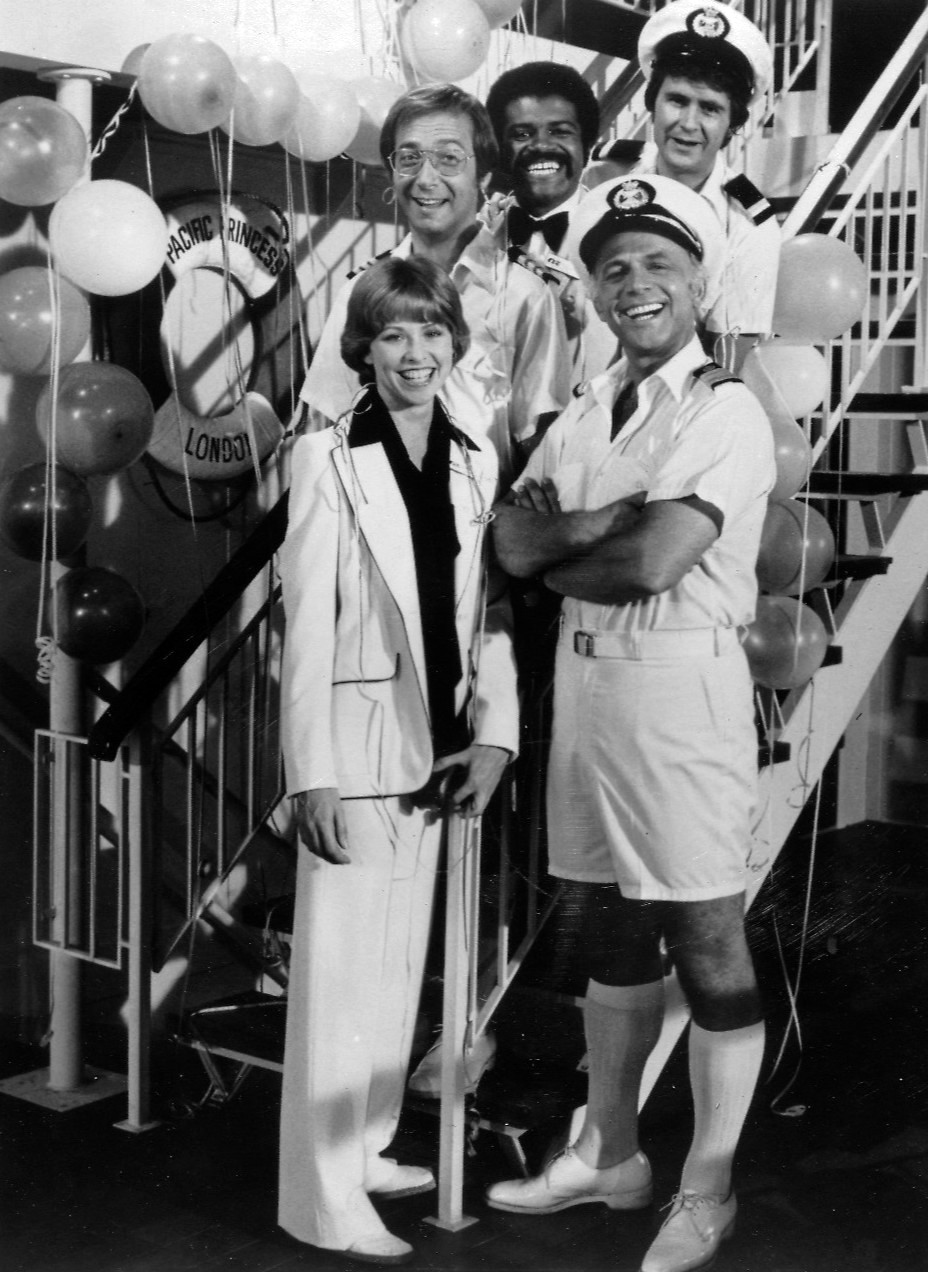
The 1970s were pivotal. In 1972, Princess introduced Island Princess (formerly Island Venture) and launched Princess Tours, expanding its presence in Alaska with combined land-and-sea packages. In 1974, Princess Cruises was acquired by P&O (Peninsular & Oriental Steam Navigation Company), a major British shipping line. That same year, the company added the Pacific Princess (formerly Sea Venture) and renamed Island Venture as Island Princess.
These two ships would soon become pop-culture icons. In 1977, the television series The Love Boat debuted, using Princess ships as its glamorous backdrop. The show ran until 1986 and introduced millions of viewers to the idea of cruising as a romantic, exciting, and accessible holiday. The Pacific Princess, in particular, became instantly recognisable, forever linking Princess Cruises with that golden era of televised travel.
1980s -1990s, Fleet Modernisation and Destination Leadership
Throughout the 1980s, Princess expanded rapidly, introducing larger and more luxurious ships to meet rising demand. The line began offering more diverse itineraries and developed its now-famous Alaska program, combining cruises with exclusive lodges and rail services inland. This “CruiseTour” concept became a signature Princess offering and helped cement the brand’s leadership in the Alaska market.
2000s, Joining Carnival Corporation

In 2003, Princess Cruises became part of Carnival Corporation & plc following a merger with P&O Princess Cruises. This brought Princess into the world’s largest cruise family while allowing it to continue operating as its own premium brand.
Ships like the Grand Princess (launched 1998) had already made waves with industry-first features such as Skywalkers Nightclub, dramatically suspended over the stern. Under Carnival, Princess continued to innovate while expanding its global itineraries.
2010 – Today, Innovation and Resilience

The 2010s saw the launch of Royal-class ships, beginning with Royal Princess in 2013. These ships introduced standout features such as the SeaWalk, a glass walkway extending over the ocean, as well as expanded entertainment and dining options.
Princess also rolled out MedallionClass technology, a wearable device system that personalises the onboard experience, streamlines embarkation, and enhances service across the fleet. Like all cruise lines, Princess faced unprecedented challenges during the COVID-19 pandemic, pausing global operations. Since returning to service, the line has focused on technological innovation, global itineraries, and enhancing its premium experience for modern travellers.
A Lasting Legacy at Sea

From one small charter ship to a fleet sailing around the world, Princess Cruises has played a defining role in modern cruising. Its blend of traditional elegance, pioneering itineraries, and the cultural legacy of The Love Boat continues to inspire travellers of all generations. Today, Princess remains a leader in premium cruising, known for romance, adventure, and unforgettable journeys at sea.
